
Public transportation is the backbone of modern urban living, ensuring that citizens can commute efficiently, affordably, and sustainably. Among the various modes of transport, local commuter bus services play a critical role in connecting neighborhoods, facilitating daily travel, and supporting economic activity within cities. These services provide reliable transport for working professionals, students, senior citizens, and other commuters, helping reduce traffic congestion and environmental impact.
This article explores the significance of local commuter bus services, their operational features, benefits, challenges, and emerging trends that are shaping urban mobility today.
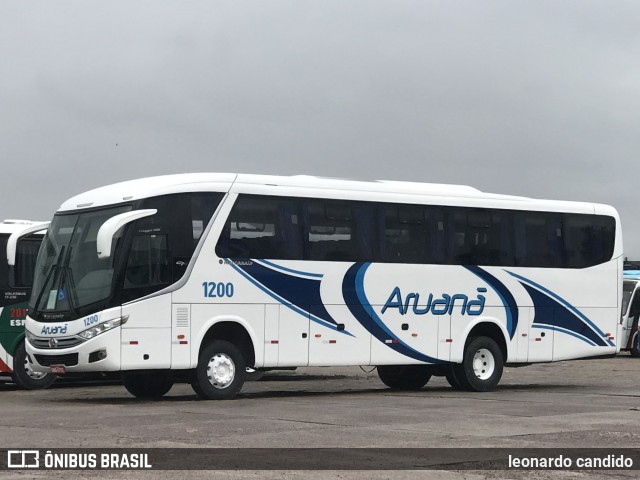
What is a Local Commuter Bus Service?
A local commuter bus service refers to a bus-based transportation system that operates within a city or metropolitan area, primarily catering to the daily travel needs of residents. Unlike intercity or regional bus services, commuter buses focus on short to medium-distance travel, connecting residential areas with workplaces, schools, shopping centers, hospitals, and other essential destinations.
Commuter bus services are designed to provide frequent, timely, and reliable transport options for people traveling to and from work, educational institutions, and other daily destinations. They are generally more structured in terms of schedules and routes compared to general public buses, often tailored to peak-hour demand patterns.
Types of Local Commuter Bus Services
Local commuter bus services can be categorized based on route design and operational focus:
- Fixed-Route Commuter Buses:
These buses operate on predefined routes with fixed schedules, providing reliable transport along major corridors connecting residential and commercial hubs. - Express Commuter Buses:
Express services make fewer stops to reduce travel time, catering to long-distance commuters traveling from suburbs to city centers during peak hours. - Feeder Services:
Feeder buses connect residential neighborhoods to major transit hubs like metro stations, main bus terminals, or railway stations, facilitating multi-modal commuting. - Circular or Loop Services:
These buses follow circular routes within neighborhoods or business districts, providing connectivity for short trips and local errands.
Operational Features of Local Commuter Bus Services
Effective local commuter bus services rely on several operational features to ensure reliability and efficiency:
- Regular Schedules:
Commuter buses operate at consistent intervals, especially during peak morning and evening hours, ensuring that passengers can plan their journeys accurately. - Designated Stops:
Clearly marked bus stops along commuter routes improve accessibility and ensure smooth boarding and alighting processes. - Capacity Management:
Service frequency and bus size are adjusted based on demand patterns, ensuring optimal passenger capacity and comfort during peak times. - Integration with Other Transport Modes:
Commuter bus services are often integrated with metros, suburban trains, and regional bus networks, creating seamless multi-modal travel for passengers. - Passenger Information Systems:
Real-time bus tracking, mobile applications, and digital displays at bus stops provide commuters with information about arrival times, route updates, and delays. - Safety and Accessibility Features:
Modern buses are equipped with CCTV cameras, emergency communication systems, low-floor entry, ramps, and priority seating to ensure safe and inclusive travel.
Benefits of Local Commuter Bus Services
Local commuter bus services offer a wide range of advantages for passengers, cities, and the environment.
1. Affordable and Accessible Transportation
Commuter buses provide cost-effective transport for daily travelers, making mobility accessible to people from various income groups. Compared to private vehicles, bus services reduce the overall cost of commuting, including fuel, parking, and maintenance expenses.
2. Reducing Traffic Congestion
By encouraging residents to use public transport instead of private cars, commuter bus services help reduce traffic congestion in densely populated cities. This leads to smoother traffic flow, shorter travel times, and reduced stress for all road users.
3. Environmental Sustainability
Public buses are more environmentally friendly than individual cars, as they lower per-capita fuel consumption and emissions. Cities that implement commuter bus services, especially with electric or hybrid buses, can significantly reduce their carbon footprint and improve air quality.
4. Promoting Social Inclusion
Commuter bus services enhance mobility for people who do not own private vehicles, including students, senior citizens, and differently-abled individuals. Reliable public transport ensures access to education, healthcare, employment, and recreational activities.
5. Supporting Urban Development
Efficient commuter bus services influence urban growth positively by connecting residential areas with commercial zones, educational institutions, and employment centers. Transit-oriented development (TOD) encourages compact, sustainable urban expansion, reducing urban sprawl and infrastructure costs.
Challenges in Local Commuter Bus Services
While local commuter bus services offer numerous benefits, they also face challenges that need careful planning and management:
- Traffic Delays:
Congested roads can result in late buses, reducing reliability and discouraging usage. Dedicated bus lanes can help mitigate this challenge. - Operational Costs:
Fuel, maintenance, staffing, and infrastructure costs are significant, requiring effective budget management and government support. - Route Coverage Gaps:
Some suburban or peri-urban areas may not have sufficient service, forcing residents to rely on private transport or shared mobility options. - Safety Concerns:
Ensuring passenger safety, managing overcrowding, and maintaining vehicle standards are ongoing operational priorities. - Commuter Preferences:
The rise of ride-sharing services, personal vehicles, and e-mobility solutions presents competition, requiring bus services to maintain high standards of convenience, punctuality, and comfort.
Technology in Local Commuter Bus Services
Modern commuter bus services are increasingly leveraging technology to enhance efficiency, passenger experience, and operational management:
- Real-Time Tracking:
GPS-enabled buses allow passengers to monitor bus locations via apps, minimizing waiting time and improving reliability. - Smart Ticketing Systems:
Contactless payments, mobile tickets, and smart cards streamline boarding processes and reduce queues at bus stops. - Data-Driven Scheduling:
Traffic data, passenger counts, and historical trends help optimize bus frequency, routes, and operational planning. - Passenger Information Systems:
Digital displays, mobile apps, and alerts keep passengers informed about arrivals, delays, and alternative routes. - Sustainable Fleet Management:
Electric and hybrid buses, coupled with efficient route planning, reduce emissions and operational costs while improving service reliability.
Future Trends in Local Commuter Bus Services
The future of urban commuter bus services is shaped by innovations in mobility, technology, and urban planning:
- Electrification of Buses:
Electric and hybrid buses are expected to dominate commuter fleets, reducing emissions and operational costs. - Demand-Responsive Transit:
On-demand services allow passengers to request pick-ups and drop-offs along flexible routes, improving coverage in low-density areas. - Integration with Smart Cities:
Commuter buses will be part of smart city ecosystems, coordinated with traffic signals, ride-sharing services, and multi-modal travel planning. - Enhanced Accessibility and Inclusivity:
Future buses will increasingly cater to differently-abled passengers with low-floor designs, ramps, and audio-visual aids. - Sustainability-Focused Development:
Urban transport planning will increasingly prioritize eco-friendly buses and efficient routes, supporting citywide sustainability goals.
Local commuter bus services are an essential component of modern urban transportation, offering affordable, reliable, and environmentally friendly mobility. They connect communities, reduce traffic congestion, promote social inclusion, and support sustainable urban development.
By leveraging technology, data-driven planning, and smart operational practices, cities can enhance the efficiency and appeal of commuter bus services. Despite challenges such as traffic congestion and operational costs, innovations like electric buses, real-time tracking, and demand-responsive transit are shaping the future of urban commuting.
Investing in robust local commuter bus services ensures that cities remain accessible, connected, and sustainable, providing residents with convenient and efficient transportation options. For daily commuters, these services are not just a means of travel—they are a lifeline that connects people to opportunities, education, healthcare, and social activities.