
Local bus service is one of the most essential components of urban transportation systems. It provides residents with an affordable, reliable, and efficient mode of travel for daily commutes, shopping, education, and other routine activities. By connecting neighborhoods, commercial centers, educational institutions, and transit hubs, local buses play a critical role in ensuring smooth urban mobility.
With increasing urban populations and rising traffic congestion, local bus services have become more vital than ever. They help reduce dependence on private vehicles, ease traffic pressure, and contribute to sustainable city living. For both public and private operators, local bus services are a cornerstone of efficient city transport.
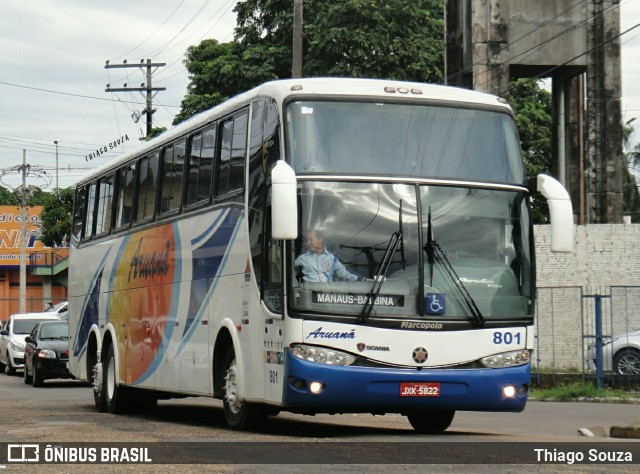
Features of Local Bus Service
Local bus services have several distinctive features that make them an attractive option for commuters:
- Fixed Routes and Schedules
Local buses operate on predefined routes and follow fixed schedules, ensuring passengers know the timing and frequency of buses. Timely operations are essential for maintaining reliability and building commuter trust. - Affordable Travel
Bus fares are generally lower than other modes of transport, making local buses an economical choice for daily travel. Many cities also provide concessional fares for students, senior citizens, and differently-abled passengers. - Accessibility
Local buses are designed to be accessible to a wide range of passengers. Low-floor buses, ramps for wheelchairs, and designated seating areas ensure inclusivity. - Connectivity
Local bus services connect residential areas to major commercial centers, metro stations, hospitals, schools, and other essential destinations, forming the backbone of urban transportation networks. - Environmentally Friendly Option
By reducing the number of private vehicles on the road, buses help decrease fuel consumption, traffic congestion, and carbon emissions. Cities are increasingly introducing electric and CNG-powered buses to promote green mobility.
Advantages of Local Bus Service
- Cost-Effective Transport
Local buses provide a cost-effective alternative to private cars, taxis, or ride-hailing services. They allow daily commuters to save money on fuel, parking, and vehicle maintenance. - Reduces Traffic Congestion
Efficient bus services can significantly reduce the number of private vehicles on the road, easing traffic congestion in densely populated urban areas. - Promotes Sustainable Urban Mobility
By encouraging the use of public transport, local buses support sustainable urban development and help lower the environmental impact of transportation. - Reliable and Timely Service
Most local bus services operate on fixed schedules, ensuring that commuters can plan their daily routines effectively. - Supports Economic Growth
Accessible transportation enables people to reach workplaces, educational institutions, and commercial centers efficiently, supporting the overall economic growth of the city.
Types of Local Bus Services
Local bus services can vary depending on the city, passenger demand, and operational goals. Common types include:
- City Bus Services
These buses operate within city limits, covering major routes, residential areas, and commercial hubs. They are ideal for daily commuters. - Express Bus Services
Express buses operate on fewer stops and major roads, providing faster travel for passengers covering longer distances within the city. - Mini Bus Services
Mini buses are smaller vehicles that navigate narrow streets and local neighborhoods. They are ideal for areas where standard buses cannot operate efficiently. - School Bus Services
Local buses dedicated to student transportation ensure safe and timely travel to and from schools. - Corporate Shuttle Services
Companies often operate local shuttle services for employees, connecting office locations with residential areas or transit hubs.
Modern Innovations in Local Bus Services
The adoption of technology has transformed the way local bus services operate. Modern innovations include:
- Live Bus Tracking
GPS-enabled buses allow passengers to track real-time locations via mobile apps, reducing waiting times and improving overall convenience. - Smart Ticketing
Contactless payment options, mobile apps, and integrated transport cards simplify fare collection and enhance passenger experience. - Passenger Information Systems
Digital displays at bus stops provide real-time information about bus arrivals, schedules, and route changes. - Electric and Hybrid Buses
Many cities are introducing electric and hybrid buses to reduce carbon emissions, noise pollution, and fuel consumption. - Data Analytics for Optimization
Bus operators use data analytics to optimize routes, identify peak travel times, and improve fleet efficiency.
Challenges in Local Bus Services
Despite their advantages, local bus services face several challenges:
- Traffic Congestion
Buses often share roads with private vehicles, making them vulnerable to delays during peak traffic hours. - Maintenance and Operational Costs
Maintaining a large fleet of buses, fuel expenses, and driver salaries can be significant operational challenges for public and private operators. - Passenger Overcrowding
During peak hours, buses may become overcrowded, affecting passenger comfort and satisfaction. - Infrastructure Limitations
Inadequate bus stops, narrow roads, and lack of dedicated bus lanes can hinder efficient operations. - Safety Concerns
Ensuring passenger safety, driver adherence to traffic rules, and avoiding accidents are ongoing challenges.
Tips for Optimizing Local Bus Services
- Dedicated Bus Lanes
Introducing exclusive bus lanes ensures timely operations and reduces delays caused by traffic congestion. - Efficient Scheduling
Using real-time passenger data and analytics helps optimize bus schedules and frequency, reducing overcrowding. - Fleet Modernization
Investing in new buses, including electric and low-emission vehicles, improves reliability, safety, and environmental sustainability. - Passenger Awareness
Educating passengers about bus routes, schedules, and mobile app usage enhances efficiency and satisfaction. - Integration with Other Transport Modes
Coordinating local bus services with metro systems, trains, and other public transport options provides seamless multimodal travel experiences.
Benefits for Commuters
Local bus services provide numerous benefits for passengers:
- Cost Savings: Affordable fares make buses accessible to a wide range of commuters.
- Convenience: Fixed routes and schedules help passengers plan trips efficiently.
- Safety: Buses provide a safer alternative to motorcycles or private vehicles for daily commuting.
- Eco-Friendly Travel: Reducing the number of private vehicles decreases air pollution and promotes greener cities.
- Accessibility: Services cater to differently-abled passengers and provide first- and last-mile connectivity.
Role of Local Bus Services in Urban Development
Local bus services play a pivotal role in urban development. They enhance mobility, promote economic growth, and improve social inclusivity. By connecting residential areas with workplaces, shopping centers, schools, and hospitals, buses ensure that citizens can participate actively in economic and social activities.
Furthermore, well-planned local bus networks contribute to:
- Reduced Urban Sprawl: Efficient transport encourages development along transit corridors.
- Increased Public Transport Usage: Accessible and reliable buses encourage commuters to reduce private vehicle usage.
- Improved Environmental Quality: By lowering vehicle emissions, buses contribute to cleaner urban air.
- Enhanced Quality of Life: Reliable public transport reduces travel stress, saves time, and ensures mobility for all sections of society.
Future of Local Bus Services
The future of local bus services is closely linked to technology, sustainability, and urban planning. Key trends include:
- Integration with Smart City Initiatives: Real-time monitoring, mobile apps, and intelligent route management systems.
- Electric and Hybrid Fleets: Reducing environmental impact and promoting green mobility.
- Passenger-Centric Services: Enhanced comfort, Wi-Fi connectivity, and personalized journey planning.
- Automation: Self-driving buses and AI-based route optimization are emerging possibilities.
- Mobility-as-a-Service (MaaS): Seamless integration of buses with other modes of transport for end-to-end travel solutions.
Local bus services are an indispensable part of urban transportation systems. They provide affordable, reliable, and environmentally friendly travel options for daily commuters, students, and tourists. By connecting neighborhoods, commercial centers, educational institutions, and transit hubs, local buses enhance mobility, reduce traffic congestion, and support sustainable urban development.
For cities, investing in modern local bus fleets, implementing technology-driven solutions, and optimizing routes can significantly improve efficiency and passenger satisfaction. For commuters, local buses offer a convenient, safe, and cost-effective way to travel within the city.
As urban populations continue to grow, local bus services will remain a vital tool for ensuring seamless, accessible, and sustainable city transportation for all residents.