
In every urban landscape, efficient public transportation is essential to keep cities moving. Among the various modes of public transit, local bus routes play a pivotal role in connecting neighborhoods, facilitating daily commutes, and ensuring that people can travel affordably and conveniently. Local buses not only help reduce traffic congestion but also promote sustainable urban living by providing an alternative to private vehicles.
This article explores the significance of local bus routes, their planning and management, the benefits they offer, challenges faced, and the future trends shaping urban bus networks.
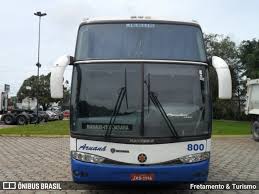
Understanding Local Bus Routes
A local bus route refers to a designated path or series of stops within a city, town, or metropolitan area that a bus service follows. These routes are designed to provide accessibility to various key destinations such as residential areas, commercial hubs, schools, hospitals, and government offices. Local bus routes differ from regional or intercity routes, as they typically cover shorter distances and focus on intra-city connectivity.
Local bus routes are often classified based on their operational frequency and coverage:
- Mainline Routes: These are high-frequency routes connecting major parts of a city. They usually cover main roads and key transit hubs.
- Feeder Routes: Feeder routes connect neighborhoods or suburban areas to mainline routes, train stations, or metro terminals.
- Circular Routes: Circular or loop routes start and end at the same point, serving residential areas and local attractions along the way.
- Express Routes: Express routes minimize the number of stops to reduce travel time while still serving local destinations.
Planning and Designing Local Bus Routes
Effective planning of local bus routes is crucial for a city’s public transport efficiency. Transport authorities consider several factors when designing routes:
- Population Density: Areas with high population density require more frequent services to meet demand.
- Major Destinations: Routes should connect residential zones with commercial areas, hospitals, schools, and government offices.
- Traffic Conditions: Efficient routing must account for congestion patterns and road accessibility to ensure timely service.
- Integration with Other Transit: Local bus routes should complement other transport systems like metros, suburban trains, or regional buses to enable seamless commuting.
- Operational Feasibility: Route length, vehicle availability, fuel efficiency, and scheduling are considered to optimize service.
Modern cities often use data-driven methods to plan bus routes. Traffic patterns, commuter surveys, and GPS tracking of existing buses help urban planners optimize routes and schedules to match real-world demand.
Benefits of Local Bus Routes
Local bus routes provide numerous advantages for commuters, city planners, and the environment.
1. Affordable Transportation
Buses are one of the most cost-effective modes of transport for daily commuters. Local bus services provide affordable fares, making them accessible to people from all economic backgrounds. By offering frequent and reliable services, buses ensure that mobility is not limited by income levels.
2. Reducing Traffic Congestion
By encouraging people to use public transport instead of private vehicles, local bus routes help reduce road congestion. Fewer cars on the road translate to smoother traffic flow, reduced travel times, and lower stress for drivers.
3. Environmental Sustainability
Public buses contribute to environmental conservation by reducing per-capita carbon emissions. Cities that prioritize bus-based transportation see lower air pollution levels, as fewer individual vehicles are used. The adoption of electric or hybrid buses further enhances sustainability.
4. Social Connectivity
Local bus routes improve social inclusion by providing mobility to people who may not own private vehicles, including students, senior citizens, and low-income workers. Buses allow everyone to access employment, education, healthcare, and recreational facilities conveniently.
5. Supporting Urban Planning
Well-planned local bus routes influence urban development positively. Transit-oriented development (TOD) encourages commercial and residential growth around major bus corridors, reducing urban sprawl and promoting compact, sustainable cities.
Technology in Local Bus Route Management
Modern bus systems increasingly rely on technology to improve efficiency and passenger experience.
- GPS Tracking: Buses equipped with GPS devices allow passengers to track their buses in real time via mobile apps or digital displays at bus stops. This minimizes waiting time and improves reliability.
- Automated Scheduling: Data-driven algorithms help optimize bus schedules, ensuring buses run at the right frequency during peak and off-peak hours.
- Smart Ticketing: Contactless payments, mobile tickets, and smart cards make commuting smoother and reduce queues at bus terminals.
- Passenger Information Systems: Digital signage and mobile apps provide route information, bus arrival times, and alerts for delays, enhancing the commuter experience.
- Analytics for Route Optimization: Traffic patterns, boarding statistics, and passenger feedback are analyzed to adjust routes, timings, and capacity, ensuring resources are used efficiently.
Challenges in Local Bus Route Operations
Despite their benefits, local bus routes face several challenges:
- Traffic Congestion: Heavy city traffic can lead to delays, making buses less reliable and discouraging commuters from using public transport.
- Maintenance and Operational Costs: Regular maintenance, fuel expenses, and staffing costs are significant for local bus networks. Budget constraints can affect service quality.
- Coverage Gaps: Some residential or peri-urban areas may not have adequate bus service, forcing residents to rely on private transport or ride-sharing options.
- Safety and Security: Ensuring passenger safety, managing overcrowding, and preventing accidents are ongoing concerns for transit authorities.
- Changing Commuter Preferences: With the rise of ride-sharing services and e-scooters, local bus routes must adapt to changing mobility trends to stay relevant.
The Future of Local Bus Routes
Urban transport is evolving rapidly, and local bus routes are adapting to meet new demands:
- Electric and Hybrid Buses: Many cities are introducing electric buses to reduce emissions and promote sustainable mobility.
- Integration with Smart City Initiatives: Local bus networks are increasingly integrated into smart city frameworks, including traffic management systems, digital ticketing, and real-time passenger information.
- Demand-Responsive Transit: On-demand bus services using apps allow commuters to request pick-ups and drop-offs along flexible routes, improving efficiency in less-populated areas.
- Enhanced Accessibility: Modern buses are designed for differently-abled passengers, with features like ramps, low-floor designs, and audio-visual aids.
- Data-Driven Expansion: Cities are using big data to identify underserved areas, optimize routes, and plan future bus corridors to meet growing urban populations.
Local bus routes are the lifeblood of urban mobility, providing affordable, sustainable, and inclusive transportation options. They reduce traffic congestion, lower carbon emissions, and connect people to essential destinations within a city.
Effective planning, technology integration, and data-driven optimization are key to maintaining reliable local bus networks. While challenges like traffic congestion, operational costs, and evolving commuter preferences exist, innovative solutions like electric buses, smart ticketing, and demand-responsive transit are shaping the future of local bus systems.
As cities continue to expand, investing in efficient local bus routes ensures that urban transportation remains accessible, sustainable, and capable of meeting the mobility needs of all residents. By prioritizing public transport, cities not only improve the daily commute but also contribute to environmental sustainability and enhanced quality of urban life.