
In today’s rapidly evolving urban landscape, cities are under immense pressure to improve traffic flow, reduce congestion, and enhance overall transportation efficiency. Traditional traffic management systems often struggle to keep up with growing populations and complex road networks. This is where Intelligent Transport Routes (ITRs) come into play, revolutionizing the way we plan, monitor, and navigate urban transport.
What Are Intelligent Transport Routes?
Intelligent Transport Routes refer to road networks and transport systems enhanced by advanced technologies such as sensors, communication networks, artificial intelligence (AI), and real-time data analytics. The primary goal of ITRs is to optimize traffic flow, reduce travel time, improve safety, and minimize environmental impact. Unlike traditional routes, which rely on static traffic signs and pre-set traffic signals, intelligent routes dynamically respond to current traffic conditions.
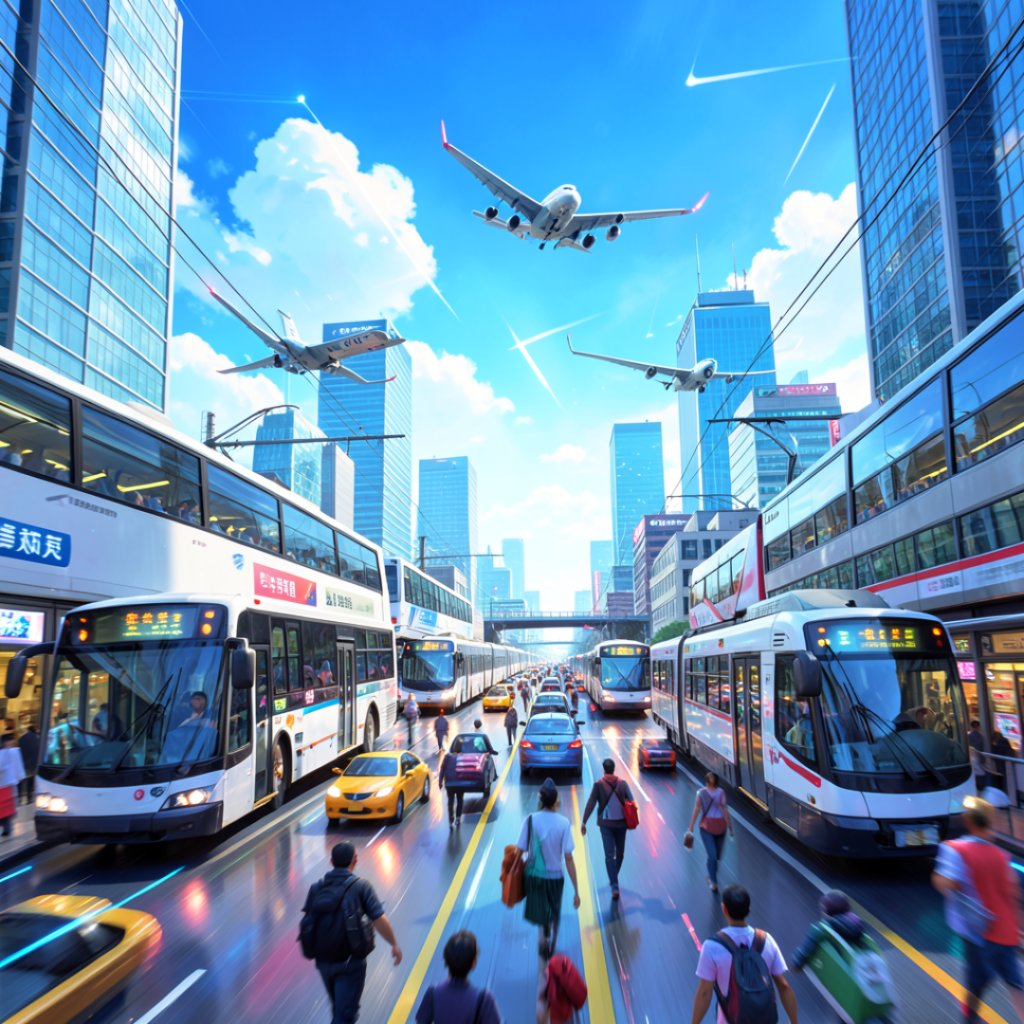
These systems are part of the broader Intelligent Transportation System (ITS), which integrates various technologies to improve the efficiency and safety of road networks. ITRs leverage data from multiple sources, including GPS devices, mobile applications, roadside cameras, and connected vehicles, to create a dynamic, adaptive traffic management ecosystem.
Key Components of Intelligent Transport Routes
- Traffic Sensors and IoT Devices
Modern roads are equipped with sensors that monitor vehicle flow, speed, and density. These sensors, often connected through the Internet of Things (IoT), provide real-time information to traffic management centers. By analyzing this data, authorities can adjust traffic signals, reroute vehicles, and prevent congestion before it occurs. - Connected Vehicles
Vehicles equipped with advanced communication systems can interact with traffic infrastructure and other vehicles. This vehicle-to-everything (V2X) technology allows for seamless integration with intelligent routes, providing drivers with real-time route updates, warnings about accidents, and alternate pathways to avoid delays. - AI-Powered Traffic Management
Artificial intelligence plays a crucial role in predicting traffic patterns and optimizing routes. By analyzing historical traffic data, weather conditions, and real-time sensor inputs, AI algorithms can predict potential bottlenecks and suggest efficient route alternatives. This proactive approach ensures smoother traffic flow and reduces the likelihood of accidents caused by sudden congestion. - Dynamic Traffic Signage
Intelligent transport routes often include digital signboards that display real-time traffic information, speed limits, and road conditions. These signs can adapt based on traffic density, weather conditions, or emergencies, guiding drivers more effectively than static signs. - Smart Public Transport Integration
Public transportation can also benefit from intelligent routing. Buses, trams, and metro systems can adjust schedules and routes in real time based on passenger demand and traffic conditions, ensuring more efficient and reliable service.
Advantages of Intelligent Transport Routes
1. Reduced Traffic Congestion
One of the most significant benefits of ITRs is congestion management. By analyzing traffic patterns in real time and dynamically adjusting routes, traffic authorities can prevent gridlocks and smoothen peak-hour traffic flow. This not only saves time for commuters but also reduces fuel consumption and vehicular emissions.
2. Enhanced Road Safety
Accidents are often caused by unpredictable traffic conditions, sudden stops, and inefficient routing. Intelligent transport routes can alert drivers about hazards, accident-prone areas, or abrupt traffic changes, reducing the risk of collisions. Emergency services can also be guided via optimal routes, minimizing response times during accidents.
3. Environmental Benefits
By minimizing idle time on congested roads and reducing stop-and-go traffic, ITRs contribute to lower fuel consumption and reduced carbon emissions. Dynamic routing also allows for better integration of eco-friendly transport modes like electric buses and car-sharing systems, promoting sustainable urban mobility.
4. Economic Efficiency
Time saved through optimized routes translates into economic benefits. Less congestion means lower fuel costs, fewer delays in goods transportation, and reduced wear and tear on vehicles. Cities also save on infrastructure costs by avoiding the need for constant road expansion since traffic flow is managed more efficiently.
5. Improved Commuter Experience
With real-time traffic updates and dynamic route suggestions, drivers and public transport users can experience shorter travel times, reliable schedules, and less frustration. Apps integrated with intelligent transport routes provide personalized navigation, considering factors like preferred travel time, traffic conditions, and environmental impact.
Examples of Intelligent Transport Route Applications
- Adaptive Traffic Signal Systems
Cities like Singapore and London have implemented traffic lights that adjust signal timings based on real-time traffic volumes. These adaptive systems reduce waiting times and improve overall traffic efficiency. - Smart Highway Projects
Countries such as Germany and Netherlands are experimenting with highways equipped with IoT sensors and AI analytics. These smart highways can regulate speed limits, provide real-time hazard alerts, and optimize lane usage for heavy vehicles during peak hours. - Integrated Public Transport Networks
Cities like Seoul and Tokyo have integrated bus, metro, and taxi services with intelligent routing systems. Passengers receive real-time updates on transit availability, estimated arrival times, and optimal transfer routes, enhancing convenience and reducing waiting times. - Connected Vehicle Pilot Programs
Autonomous and semi-autonomous vehicles are being tested on intelligent transport routes in cities like San Francisco and Detroit. By communicating with traffic signals and other vehicles, these cars navigate more efficiently, reducing congestion and improving safety.
Challenges in Implementing Intelligent Transport Routes
Despite their numerous advantages, ITRs face certain challenges:
- High Initial Investment: The installation of sensors, digital signage, and AI infrastructure requires significant funding.
- Data Privacy Concerns: Collecting data from vehicles and mobile devices raises concerns about privacy and security.
- Interoperability: Integrating various transport modes, technologies, and stakeholders into a unified system can be complex.
- Maintenance: Advanced sensors and IT infrastructure require regular maintenance to ensure reliability.
The Future of Intelligent Transport Routes
The future of ITRs lies in fully connected, autonomous urban mobility systems. With advancements in AI, 5G connectivity, and autonomous vehicles, cities can achieve predictive traffic management, zero-accident roads, and highly efficient public transport. Innovations like drone-assisted traffic monitoring, blockchain-based data sharing, and AI-powered predictive analytics will further enhance the intelligence of transport routes.
Moreover, sustainable mobility will be a key focus. Intelligent routes will prioritize electric vehicles, shared mobility solutions, and pedestrian-friendly pathways, integrating transport planning with environmental goals.
Intelligent Transport Routes represent a transformative approach to urban mobility, combining technology, data analytics, and strategic planning to create safer, faster, and more sustainable transport systems. As cities continue to grow, the need for smart, adaptive, and efficient transport networks becomes increasingly critical. By investing in ITRs, urban centers can not only reduce congestion and emissions but also improve the quality of life for commuters, support economic growth, and pave the way for a fully connected, intelligent future.
In essence, Intelligent Transport Routes are not just a technological upgrade—they are a necessary evolution for modern cities, enabling smarter decisions, smoother traffic flow, and a safer, greener urban environment.