
In today’s globalized and fast-paced business environment, the ability to move goods efficiently, reliably, and cost-effectively is critical to success. Companies across industries—from e-commerce and manufacturing to retail and logistics—face increasing pressure to deliver products on time, optimize operations, and meet customer expectations. End-to-end transportation solutions have emerged as a comprehensive approach to address these challenges by integrating every aspect of transportation under one coordinated framework.
End-to-end transportation solutions go beyond simple freight movement. They involve planning, executing, monitoring, and optimizing the transportation of goods across the entire supply chain—from the point of origin to the end consumer. By offering complete visibility and control, businesses can improve operational efficiency, reduce costs, mitigate risks, and enhance customer satisfaction.
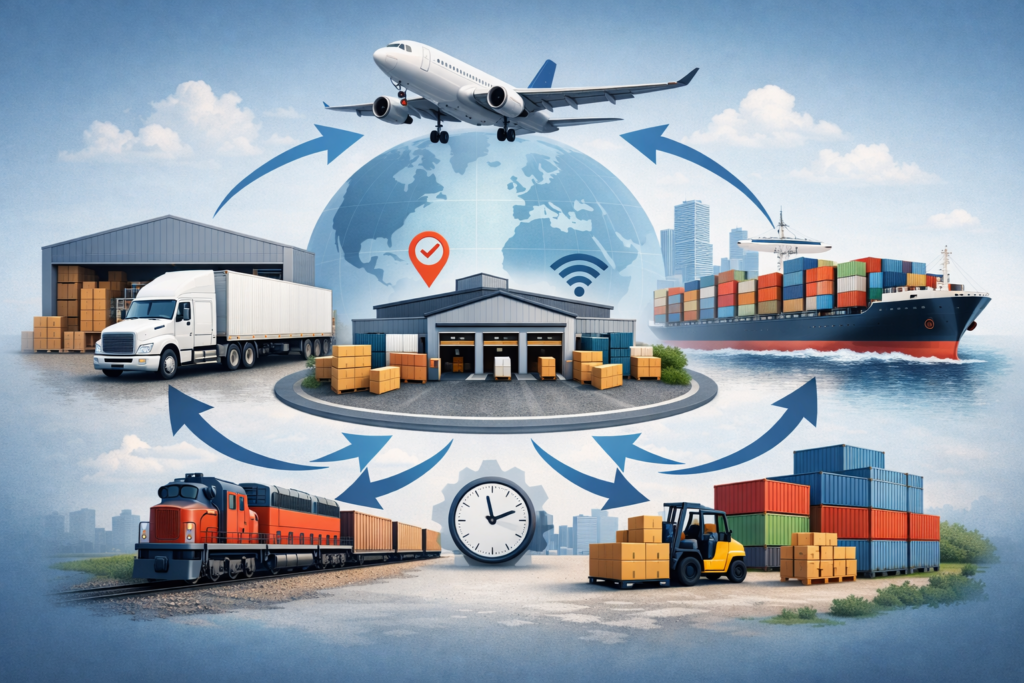
What Are End-to-End Transportation Solutions?
End-to-end transportation solutions refer to the holistic management of transportation processes across the supply chain. Unlike traditional fragmented approaches that handle individual legs of a shipment separately, end-to-end solutions provide a fully integrated framework for managing goods throughout their journey.
Key components include:
- Origin Pickup: Coordinating the collection of goods from suppliers, manufacturers, or warehouses.
- Transportation Planning: Selecting the most efficient modes of transport, such as road, rail, sea, or air, based on cost, speed, and cargo requirements.
- Intermodal Transportation: Seamlessly integrating multiple transportation modes for long-distance or international shipments.
- Warehousing and Storage: Providing strategic storage solutions for inventory consolidation, cross-docking, or temporary holding.
- Customs and Regulatory Compliance: Managing international documentation, permits, duties, and inspections.
- Last-Mile Delivery: Ensuring timely and accurate delivery to distributors, retailers, or end customers.
- Real-Time Tracking and Visibility: Monitoring shipments in real-time for transparency, accountability, and proactive decision-making.
Importance of End-to-End Transportation Solutions
Implementing end-to-end transportation solutions is vital in modern supply chains due to several key factors:
- Global Supply Chain Complexity: Businesses operate across multiple countries, requiring integrated and seamless transportation management.
- Customer Expectations: Consumers demand faster deliveries, order tracking, and reliable service.
- Cost Efficiency: Optimized routes, consolidated shipments, and efficient intermodal transport reduce operational expenses.
- Risk Mitigation: Full visibility across the transportation process helps identify potential disruptions and prevent delays.
- Sustainability: Consolidated shipments and optimized routes reduce fuel consumption, emissions, and overall environmental impact.
Key Components of End-to-End Transportation Solutions
Effective end-to-end transportation solutions integrate multiple essential components to ensure smooth operations:
1. Transportation Planning and Optimization
Transportation is the backbone of end-to-end solutions:
- Route Optimization: Using advanced software and analytics to identify the most efficient and cost-effective delivery paths.
- Multi-Modal Transport: Integrating road, rail, sea, and air transport for optimal balance between speed and cost.
- Fleet Management: Monitoring vehicles and transport equipment to ensure reliability, reduce downtime, and enhance performance.
- Last-Mile Delivery: Managing the final leg of delivery, often the most complex and customer-facing component.
2. Warehousing and Inventory Solutions
Warehousing is critical to supporting transportation efficiency:
- Strategically Located Warehouses: Minimizes transit times and reduces transportation costs.
- Inventory Management: Using real-time tracking with RFID, barcodes, and IoT devices to maintain accurate stock levels.
- Automated Warehousing: Employing robotics and automation to enhance operational efficiency and minimize human error.
- Cross-Docking: Reducing storage time by directly transferring goods from inbound to outbound transport.
3. Customs and Compliance
For international transportation, compliance is essential:
- Documentation Management: Ensuring all import/export permits, invoices, and certifications are accurate.
- Customs Clearance: Efficiently handling inspection and clearance processes to avoid delays.
- Duty and Tariff Optimization: Proper classification of goods to reduce costs and ensure legal compliance.
4. Technology Integration and Visibility
Modern end-to-end transportation solutions rely heavily on technology:
- Transportation Management Systems (TMS): Centralized platforms for planning, executing, and monitoring shipments.
- Real-Time Tracking: GPS-enabled monitoring ensures visibility across all stages of transportation.
- Analytics and AI: Predictive tools optimize routes, forecast demand, and mitigate risks.
- Integration Across Supply Chain Systems: Linking TMS with ERP, WMS, and other platforms ensures seamless coordination.
5. Supply Chain Collaboration
Effective end-to-end solutions emphasize collaboration among all stakeholders:
- Supplier Coordination: Aligning pickup schedules with production and inventory needs.
- Carrier Management: Selecting reliable carriers based on cost, performance, and capacity.
- Customer Communication: Providing timely updates on shipment status and estimated delivery times.
- ERP and System Integration: Ensuring seamless data sharing between logistics, procurement, and operations.
Benefits of End-to-End Transportation Solutions
Implementing end-to-end transportation solutions provides significant advantages:
1. Operational Efficiency
- Streamlined transportation processes reduce delays and bottlenecks.
- Improved fleet utilization and warehouse efficiency enhance productivity.
- Coordinated planning ensures smooth operations across multiple transport modes.
2. Cost Savings
- Optimized routes and transportation modes reduce fuel and freight costs.
- Consolidation of shipments minimizes handling and storage expenses.
- Reduced delays and damages lower insurance and penalty costs.
3. Enhanced Customer Experience
- Real-time tracking and timely delivery improve reliability.
- Accurate deliveries and high-quality service enhance customer satisfaction.
- Transparent communication builds trust and loyalty.
4. Risk Mitigation and Compliance
- Early identification of disruptions allows proactive corrective action.
- Compliance with regulatory requirements prevents fines, penalties, or shipment delays.
- Safety and security measures protect cargo throughout transportation.
5. Sustainability
- Optimized routes and consolidated shipments reduce fuel consumption.
- Efficient warehousing and transportation practices minimize environmental impact.
- Supports corporate sustainability initiatives and ESG goals.
Challenges in End-to-End Transportation Solutions
Despite its advantages, implementing end-to-end transportation solutions comes with challenges:
- Operational Complexity: Coordinating multiple carriers, routes, warehouses, and transport modes can be challenging.
- Regulatory Compliance: Managing international regulations, customs, and documentation requires expertise.
- Technology Integration: Implementing TMS, GPS tracking, and analytics platforms requires investment and skilled personnel.
- Supply Chain Disruptions: Weather, political instability, labor issues, or pandemics can impact operations.
- High Initial Investment: Advanced systems, infrastructure, and fleet management require capital expenditure.
Strategies for Effective End-to-End Transportation Solutions
Businesses can adopt several strategies to maximize the benefits:
- Adopt Advanced Technology: Use TMS, GPS tracking, IoT, and AI for real-time visibility and optimization.
- Partner with Reliable Providers: Collaborate with trusted carriers, logistics providers, and customs brokers.
- Optimize Routes and Inventory: Data-driven planning reduces transit times, fuel costs, and warehouse expenses.
- Develop Contingency Plans: Prepare backup routes, carriers, and warehouses to mitigate risks.
- Continuous Monitoring and Improvement: Track KPIs, gather feedback, and refine transportation processes regularly.
Global Examples of End-to-End Transportation Solutions
Several companies excel in providing end-to-end transportation solutions:
- DHL Supply Chain: Offers comprehensive solutions including inbound/outbound transport, warehousing, and customs clearance.
- FedEx and UPS: Provide integrated end-to-end transportation services combining air, road, and last-mile delivery with real-time tracking.
- Amazon: Manages a global end-to-end transportation network for efficient e-commerce delivery.
- Maersk Logistics: Offers integrated sea, inland, and warehousing solutions for international supply chains.
These examples highlight the scalability, efficiency, and reliability of end-to-end transportation solutions across industries.
Future Trends in End-to-End Transportation Solutions
The future of transportation solutions is shaped by technology, sustainability, and customer expectations:
- Automation and Robotics: Autonomous vehicles, drones, and automated warehouses improve speed, accuracy, and safety.
- Blockchain Technology: Enhances transparency, traceability, and security across the supply chain.
- Green Transportation: Electric vehicles, optimized routes, and energy-efficient warehouses reduce environmental impact.
- AI and Predictive Analytics: Improve route optimization, demand forecasting, and risk mitigation.
- Customer-Centric Solutions: Real-time tracking, proactive notifications, and reliable last-mile delivery improve satisfaction and loyalty.
End-to-end transportation solutions are a critical component of modern supply chains. By integrating transportation planning, fleet management, warehousing, regulatory compliance, and real-time tracking into a unified system, businesses can achieve operational efficiency, cost savings, risk mitigation, and enhanced customer satisfaction.
While challenges such as operational complexity, regulatory compliance, and technological integration exist, adopting advanced systems, collaborating with reliable partners, and continuously optimizing processes ensures seamless transportation operations.
As global trade expands and customer expectations rise, end-to-end transportation solutions will remain a key differentiator for businesses seeking efficiency, reliability, and competitive advantage. Companies investing in integrated transportation systems not only streamline their supply chains but also enhance customer trust, reduce environmental impact, and drive long-term growth and success.