
Train freight services in Brazil are a critical pillar of the country’s logistics infrastructure, enabling the large-scale movement of agricultural commodities, minerals, industrial goods, and energy products across vast distances. Because Brazil is a continental-sized nation with production regions far from major ports and consumption centers, rail freight services are essential for maintaining economic efficiency and global competitiveness.
Unlike passenger rail systems, Brazil’s freight rail services are designed specifically for high-volume, long-distance cargo transport. They form a highly specialized logistics ecosystem that integrates rail corridors, terminals, intermodal hubs, and port infrastructure.
Importance of Train Freight Services in Brazil
Brazil’s economy depends heavily on exports of bulk commodities such as soybeans, iron ore, corn, sugar, and fertilizers. These goods are produced inland but must reach coastal ports for international shipment.
Train freight services play a crucial role by:
- Reducing transportation costs over long distances
- Moving large volumes of cargo efficiently
- Supporting export competitiveness
- Reducing pressure on road networks
- Improving supply chain reliability
Without efficient rail freight services, Brazil’s logistics costs would be significantly higher, directly impacting export performance.
Overview of Brazil’s Freight Rail Network
The freight rail system in Brazil is corridor-based rather than fully interconnected. This means rail lines are designed to connect specific economic regions to ports and industrial hubs rather than forming a dense national grid.
Key freight corridors include:
- Southeast mining corridors
- Central-west agricultural corridors
- Southern industrial routes
- Northern export integration routes
These corridors are optimized for high-volume cargo movement rather than passenger transport.
Major Train Freight Service Corridors
1. Southeast Mining Corridor
This corridor connects iron ore mining regions in Minas Gerais to export ports such as Port of Santos. It is one of the busiest freight corridors in Latin America.
Primary cargo includes:
- Iron ore
- Steel products
- Industrial raw materials
2. Central-West Agricultural Corridor
This corridor supports Brazil’s agricultural exports by transporting soybeans, corn, and cotton from inland farming regions to coastal terminals.
3. Southern Industrial Corridor
Used for manufacturing supply chains and regional trade, including cross-border transport with neighboring countries.
4. Northern Export Corridor
An emerging freight route designed to reduce dependence on southern ports and improve logistics efficiency for inland agricultural regions.
How Train Freight Services Operate in Brazil
Train freight services in Brazil operate through a structured logistics system involving multiple stages.
Step 1: Cargo Collection (First Mile)
Goods are transported by trucks from farms, mines, and factories to rail terminals.
Step 2: Terminal Processing and Loading
At intermodal terminals, cargo is:
- Consolidated
- Stored temporarily
- Loaded into freight wagons or containers
Step 3: Rail Transport (Middle Mile)
Trains carry cargo over long distances using dedicated freight corridors. These trains are often long and heavily loaded, optimized for efficiency.
Step 4: Port or Distribution Delivery
At destination points, cargo is either:
- Distributed domestically
- Transferred to ships for export
Types of Train Freight Services in Brazil
1. Bulk Freight Services
These services handle high-volume commodities such as:
- Iron ore
- Soybeans
- Corn
- Sugar
- Coal
Bulk freight is the dominant segment of Brazil’s rail industry.
2. Container Freight Services
Containerized rail freight supports manufacturing, retail, and international trade. It allows seamless integration with trucks and ships.
3. Agricultural Freight Services
These services are crucial during harvest seasons, moving large quantities of grain from inland farms to export ports.
4. Industrial Freight Services
Manufacturing industries rely on rail freight for transporting raw materials and finished goods across regions.
5. Energy and Chemical Freight Services
Specialized wagons are used to transport fuel, chemicals, and hazardous materials safely.
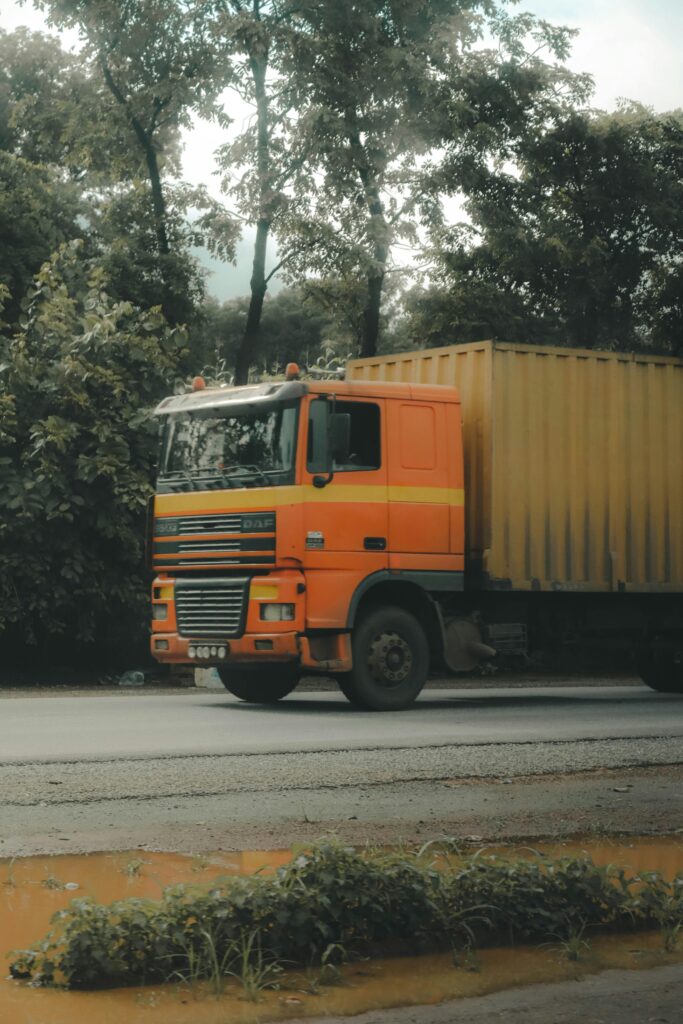
Major Rail Freight Service Providers in Brazil
Brazil’s train freight services are largely operated by private companies under government concessions.
Rumo Logística
Rumo is the largest rail freight operator in Brazil. It specializes in agricultural transport and operates extensive freight corridors connecting inland production regions to export ports.
Key strengths:
- Large grain logistics network
- High-capacity freight trains
- Advanced digital tracking systems
VLI Multimodal
VLI provides integrated logistics solutions combining rail transport, port terminals, and warehousing.
Key services:
- Rail freight operations
- Port handling
- Intermodal logistics solutions
MRS Logística
MRS focuses on high-density freight corridors, particularly iron ore and industrial cargo in southeastern Brazil.
Technology in Train Freight Services
Modern freight services in Brazil are increasingly technology-driven.
1. GPS-Based Tracking
Real-time tracking improves visibility and allows better coordination of cargo movement.
2. AI and Predictive Analytics
Used to forecast demand, optimize routes, and improve scheduling.
3. Automated Terminals
Cranes and loading systems reduce manual handling and improve efficiency.
4. Predictive Maintenance
Sensors monitor rail infrastructure to prevent failures and reduce downtime.
5. Digital Freight Platforms
These systems allow customers and operators to manage shipments, schedules, and tracking online.
Advantages of Train Freight Services in Brazil
1. Cost Efficiency
Rail transport is significantly cheaper than road freight for bulk cargo over long distances.
2. High Transport Capacity
Trains can move thousands of tons in a single trip.
3. Reduced Highway Congestion
Shifting freight to rail reduces pressure on Brazil’s road infrastructure.
4. Environmental Benefits
Rail freight produces lower carbon emissions compared to trucking.
5. Export Efficiency
Efficient rail services improve the speed and reliability of export logistics.
Challenges in Train Freight Services
Despite their importance, several challenges remain:
1. Limited Rail Coverage
Large parts of Brazil still lack sufficient rail infrastructure.
2. Port Bottlenecks
Congestion at export ports can delay freight movement.
3. High Infrastructure Costs
Expanding rail networks requires significant investment.
4. Coordination Complexity
Managing multiple operators and transport modes can be challenging.
5. Uneven Regional Development
Some regions benefit more from rail services than others.
Expansion and Modernization Efforts
Brazil is actively expanding and modernizing its train freight services through:
- Expansion of agricultural export corridors
- Development of new intermodal terminals
- Modernization of locomotives and wagons
- Increased private investment in rail infrastructure
- Digitalization of logistics systems
These initiatives aim to increase efficiency and capacity across the network.
Role in Brazil’s Export Economy
Train freight services are essential for Brazil’s global trade performance. They ensure that agricultural and mineral exports reach international markets efficiently and at competitive costs.
Efficient freight services:
- Reduce export delays
- Lower logistics costs
- Improve supply chain reliability
- Strengthen Brazil’s global competitiveness
Without these services, Brazil’s export-driven economy would face significant logistical challenges.
Future of Train Freight Services in Brazil
The future of train freight services in Brazil is shaped by technological innovation, infrastructure expansion, and sustainability goals.
Key trends include:
- Expansion of high-capacity freight corridors
- Increased automation in rail operations
- Growth of AI-powered logistics systems
- Integration of multimodal transport networks
- Adoption of low-emission transport solutions
These developments will make Brazil’s freight rail system more efficient, resilient, and globally competitive.
Train freight services in Brazil are a cornerstone of the nation’s logistics and economic infrastructure. They enable efficient movement of goods across vast distances, support key export industries, and reduce overall transportation costs.
Companies such as Rumo Logística and VLI Multimodal are leading the transformation of the sector through innovation, integration, and digitalization.
As Brazil continues to invest in infrastructure and modern logistics systems, train freight services will remain essential for economic growth, export competitiveness, and long-term sustainability.