
Residential transport expansion in Brazil refers to the ongoing growth, modernization, and geographic scaling of services that move household goods, furniture, and personal belongings across cities, states, and international borders. This expansion is driven by rising urbanization, increased population mobility, economic development, and the rapid adoption of digital logistics systems.
As Brazil continues to evolve as one of the largest logistics markets in Latin America, residential transport is becoming more structured, technology-driven, and customer-focused. The expansion is not only about increasing the number of vehicles or routes, but also about improving service quality, efficiency, and accessibility across diverse regions of the country.
Understanding Residential Transport Expansion
Residential transport expansion involves the broadening of logistics capacity and service coverage for household moving services. In Brazil, this includes:
- Growth of moving fleets and transport networks
- Expansion into smaller cities and rural regions
- Increased availability of specialized relocation services
- Adoption of advanced logistics technologies
- Integration of multimodal transport systems
The goal is to make residential transport more accessible, faster, and more reliable for individuals and families relocating within or outside Brazil.
Key Drivers of Residential Transport Expansion in Brazil
1. Urbanization and Population Growth
Brazil has a highly urbanized population, with major cities such as São Paulo, Rio de Janeiro, Brasília, and Belo Horizonte attracting continuous migration. This creates strong demand for residential transport services.
As urban centers grow, people frequently move due to:
- Employment opportunities
- Housing affordability
- Lifestyle changes
- Education and family needs
This ongoing movement fuels the expansion of residential transport networks.
2. Economic Development and Housing Mobility
Economic growth has led to increased housing mobility. More people are buying, renting, and upgrading homes, which increases the frequency of residential relocations.
Key economic factors include:
- Expansion of the middle class
- Growth in real estate development
- Increased job mobility across sectors
- Rising disposable income
These factors collectively drive demand for efficient transport services.
3. Growth of Logistics Infrastructure
Brazil has been investing in logistics infrastructure, including highways, ports, and warehousing systems. This has improved connectivity between regions and enabled transport companies to expand operations.
Better infrastructure supports:
- Faster long-distance moves
- Reduced transport costs
- Increased fleet efficiency
- Expansion into underserved regions
4. Digital Transformation of Logistics
The adoption of digital tools has significantly contributed to residential transport expansion. Technologies such as GPS tracking, logistics platforms, and AI-based routing systems have improved operational efficiency and scalability.
Digital systems allow companies to:
- Manage more shipments simultaneously
- Optimize routes in real time
- Improve customer communication
- Scale operations across regions
Key Areas of Expansion in Residential Transport
1. Geographic Expansion
Transport companies are expanding services beyond major cities into smaller towns and rural regions. This helps meet growing demand for relocation services in previously underserved areas.
Geographic expansion includes:
- Interstate coverage across all Brazilian states
- Rural accessibility improvements
- Integration with regional logistics hubs
2. Fleet Expansion
Increasing fleet size is a major component of residential transport growth. Companies are investing in:
- Light commercial vehicles for urban moves
- Medium trucks for regional transport
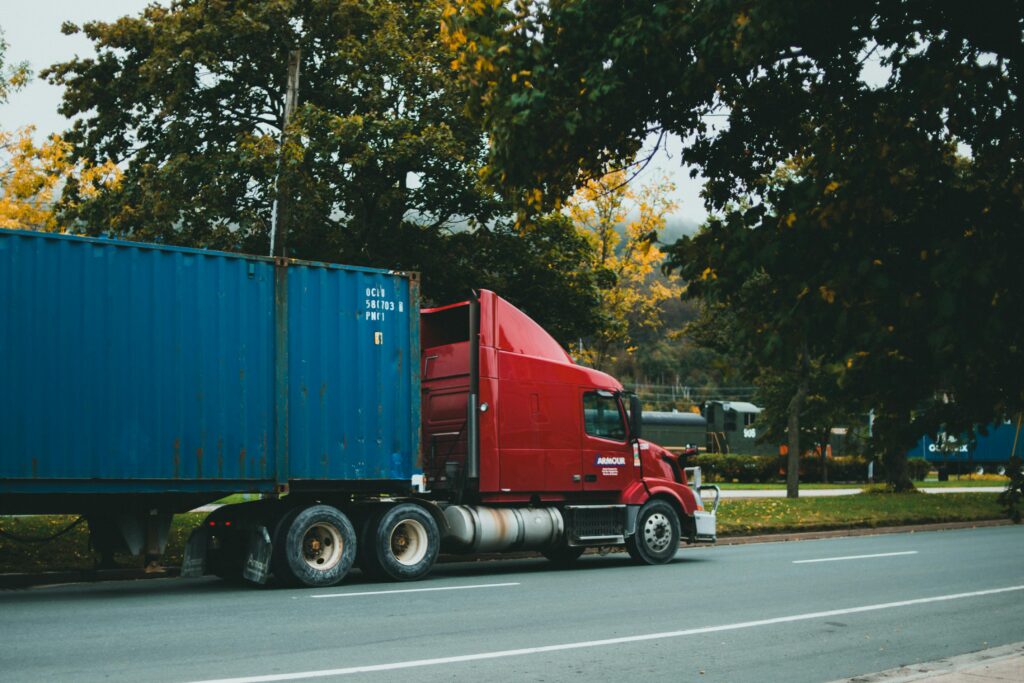
- Large container trucks for long-distance relocations
Fleet expansion allows companies to handle higher volumes and improve service availability.
3. Service Expansion
Residential transport services are becoming more diversified. In Brazil, this includes:
- Full-service relocation (packing, transport, unpacking)
- Furniture assembly and installation
- Temporary storage solutions
- Premium relocation services for executives and expatriates
This diversification improves customer experience and market reach.
4. Technology-Driven Expansion
Technology is enabling faster and more efficient scaling of transport services. Key tools include:
- AI-powered route optimization
- Real-time GPS tracking systems
- Cloud-based logistics platforms
- Mobile applications for customers and drivers
These tools reduce operational complexity and support large-scale expansion.
Challenges in Residential Transport Expansion in Brazil
1. Infrastructure Limitations
Despite improvements, some regions still face poor road conditions, which can slow down expansion efforts.
2. Traffic Congestion in Cities
Urban congestion in cities like São Paulo affects delivery efficiency and limits rapid expansion within city limits.
3. Regulatory Complexity
Transport companies must navigate varying regulations across states, which can complicate expansion planning.
4. High Operational Costs
Fuel prices, maintenance expenses, and labor costs can impact profitability during expansion.
5. Security Risks
Certain regions face security challenges that require additional investment in tracking and safety systems.
Role of Technology in Supporting Expansion
Technology is a major enabler of residential transport expansion in Brazil.
Artificial Intelligence (AI)
AI helps companies:
- Forecast demand in different regions
- Optimize fleet allocation
- Reduce empty return trips
- Improve scheduling efficiency
Big Data Analytics
Analytics helps identify:
- High-demand relocation corridors
- Seasonal trends in residential moves
- Cost optimization opportunities
- Service performance insights
Internet of Things (IoT)
IoT devices installed in vehicles provide real-time data on:
- Location
- Fuel usage
- Vehicle condition
- Driving behavior
This supports efficient fleet scaling.
Cloud-Based Logistics Systems
Cloud platforms allow companies to:
- Manage large-scale operations remotely
- Coordinate multiple branches
- Share real-time data across teams
- Improve scalability
Impact of Residential Transport Expansion
1. Improved Accessibility
More people across Brazil now have access to professional residential moving services, even in smaller cities.
2. Increased Market Competition
Expansion has led to more competition, improving service quality and pricing for customers.
3. Job Creation
The growing transport sector creates employment opportunities in driving, logistics management, warehousing, and customer service.
4. Economic Growth
Efficient residential transport supports labor mobility, housing development, and urban expansion, contributing to broader economic growth.
Domestic vs Long-Distance Expansion
Domestic Expansion
Focuses on improving services within cities and nearby regions:
- Faster delivery times
- Increased fleet density
- Improved urban logistics coordination
Long-Distance Expansion
Focuses on interstate and regional connectivity:
- Expansion of highway-based transport networks
- Multi-day logistics planning systems
- Cross-state regulatory compliance
- Enhanced fleet endurance capabilities
Long-distance expansion is more complex but essential for national coverage.
Sustainability in Transport Expansion
Sustainability is becoming increasingly important in Brazil’s residential transport growth.
Key initiatives include:
- Fuel-efficient routing strategies
- Adoption of low-emission vehicles
- Reduction of empty return trips
- Use of recyclable packing materials
Sustainable expansion ensures long-term environmental and economic viability.
Future Trends in Residential Transport Expansion in Brazil
1. Rapid Digital Expansion
Fully digital logistics ecosystems will support faster scaling of services across regions.
2. Autonomous and Smart Logistics
Emerging technologies may introduce semi-autonomous fleet operations in the future.
3. Hyperlocal Expansion Models
Companies will increasingly focus on hyperlocal hubs to improve last-mile delivery efficiency.
4. Integration with Smart Cities
As Brazilian cities adopt smart infrastructure, transport systems will integrate with urban data networks.
5. Customer-Centric Expansion
Future expansion will prioritize personalized services, faster response times, and flexible scheduling.
Residential transport expansion in Brazil is transforming the country’s logistics landscape by increasing accessibility, improving service quality, and strengthening national connectivity. Driven by urbanization, economic growth, infrastructure development, and digital innovation, the sector is evolving rapidly to meet rising demand for residential mobility.
Despite challenges such as infrastructure gaps, regulatory complexity, and urban congestion, continuous investment in technology and fleet expansion is helping overcome these barriers. As Brazil continues to modernize its logistics ecosystem, residential transport expansion will remain a key driver of economic mobility and household relocation efficiency.
In the coming years, the combination of digital transformation, sustainability practices, and advanced logistics strategies will ensure that residential transport in Brazil becomes faster, smarter, and more widely accessible across all regions of the country.