
Home logistics coordination is the backbone of a successful residential move. In a country as vast and diverse as Brazil, where moves can span dense urban centers, coastal cities, and remote inland regions, coordination becomes the difference between a smooth relocation and a chaotic experience. It involves synchronizing every element of the moving process—packing, transport, storage, scheduling, communication, and delivery—so that all activities work together seamlessly.
Unlike basic moving services that focus only on transport, home logistics coordination ensures that every stage of the relocation is planned, monitored, and executed under a unified system. This results in greater efficiency, reduced risk, and a far more predictable moving experience for households.
What Is Home Logistics Coordination?
Home logistics coordination refers to the organized management of all activities involved in moving a household from one location to another. It includes:
- Pre-move planning and scheduling
- Coordination between packing and transport teams
- Vehicle assignment and route planning
- Inventory tracking and documentation
- Storage management when needed
- Delivery scheduling and final setup
This system ensures that all teams involved in the move operate in sync, reducing delays and miscommunication.
Importance of Coordination in Brazilian Relocations
Brazil’s size and infrastructure diversity make coordination essential. Urban areas often face traffic congestion, while rural regions may have limited road access. Without proper coordination, these factors can cause delays, lost items, or inefficient use of resources.
Logistics coordination ensures that every move is tailored to its specific conditions, whether it involves a short city relocation or a long interstate transfer.
Pre-Move Planning and Assessment
The coordination process begins with a detailed pre-move assessment. Logistics coordinators evaluate the household size, inventory volume, fragile items, access conditions at both locations, and timing requirements.
This information is used to create a customized relocation plan that outlines:
- Required manpower
- Vehicle type and size
- Packing materials
- Estimated timeline
- Storage requirements if needed
Proper planning reduces uncertainty and ensures that all resources are allocated efficiently.
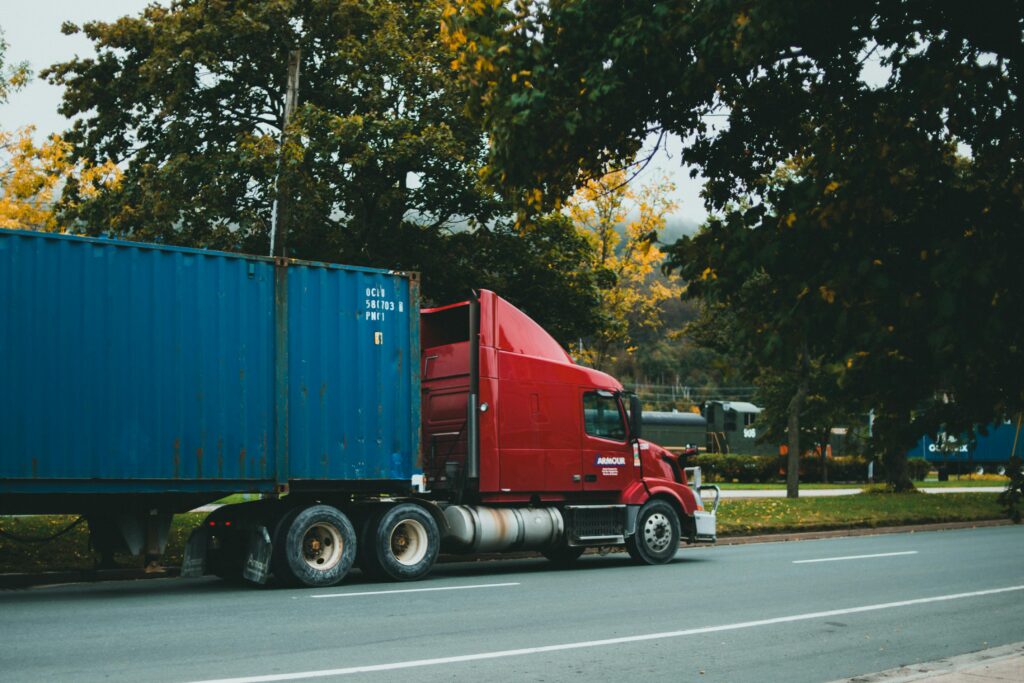
Synchronization of Packing and Transport Teams
One of the most critical aspects of logistics coordination is aligning packing and transport operations. Packing teams prepare items using protective materials, while transport teams ensure vehicles are ready at the correct time.
If these teams are not synchronized, delays can occur. Coordination ensures that once packing is completed, loading begins immediately, keeping the entire process on schedule.
Vehicle Scheduling and Fleet Coordination
Logistics coordinators assign vehicles based on the size and complexity of the move. Small apartments may require light trucks, while large homes may need multiple vehicles or heavy-duty carriers.
Fleet scheduling ensures that:
- Vehicles arrive on time
- Routes are optimized
- No overbooking or resource conflicts occur
- Backup vehicles are available if needed
This level of organization improves reliability and efficiency.
Route Planning and Timing Optimization
In Brazil, where traffic patterns and road conditions vary widely, route planning is essential. Logistics coordinators use mapping tools and traffic data to determine the best possible routes for transport.
They consider:
- Traffic congestion in urban areas
- Toll routes and costs
- Road conditions and safety
- Distance and estimated travel time
Proper route planning reduces delays and ensures timely delivery.
Inventory Tracking and Digital Documentation
Modern logistics coordination relies heavily on digital inventory systems. Each item is recorded before transport begins, often using barcodes or QR codes. This ensures that every item can be tracked throughout the relocation process.
Digital documentation includes:
- Item lists
- Packing records
- Delivery confirmations
- Storage logs if applicable
This system improves accountability and reduces the risk of lost or misplaced items.
Storage Coordination When Needed
Sometimes, immediate delivery is not possible due to delays in property availability or renovation work. Logistics coordinators manage storage arrangements by transferring goods to secure facilities.
They ensure:
- Safe storage conditions
- Proper labeling and inventory tracking
- Easy retrieval scheduling
- Seamless transition from storage to final delivery
This flexibility is especially important for complex relocations.
Communication Between All Parties
Effective communication is central to logistics coordination. Coordinators act as the main point of contact between customers, packing teams, drivers, and warehouse staff.
They provide updates on:
- Packing progress
- Vehicle dispatch times
- Transit status
- Estimated delivery times
- Any unexpected delays
Clear communication reduces confusion and enhances customer confidence.
Real-Time Monitoring and Adjustments
During transit, logistics coordinators monitor vehicle locations and progress in real time using GPS systems. If unexpected issues arise—such as traffic congestion or road closures—they can quickly adjust routes or schedules.
This proactive management ensures that delays are minimized and deliveries remain on track.
Delivery Coordination and Final Setup
At the destination, logistics coordinators ensure that unloading teams arrive on time and follow the planned setup instructions. Items are placed in designated rooms, furniture is reassembled, and packaging materials are removed.
This final stage completes the coordination cycle and ensures a smooth transition into the new home.
Benefits of Home Logistics Coordination
- Reduced delays and improved scheduling accuracy
- Better protection of household items
- Clear communication throughout the move
- Efficient use of vehicles and manpower
- Lower risk of errors or misplaced items
- Stress-free relocation experience for customers
Ideal for Complex and Long-Distance Moves
Logistics coordination is especially valuable for:
- Interstate relocations
- Large family homes
- Moves involving storage or multiple stops
- Corporate or executive relocations
The more complex the move, the more important structured coordination becomes.
Choosing a Logistics Coordination Provider in Brazil
When selecting a moving service, look for providers that emphasize structured planning, digital tracking, trained teams, and clear communication systems. Strong logistics coordination capabilities indicate a professional and reliable moving operation.
Home logistics coordination in Brazil transforms residential relocation into a well-organized, efficient, and predictable process. By synchronizing packing, transport, storage, communication, and delivery, logistics coordinators ensure that every stage of the move is handled with precision.
For families and individuals planning a move, choosing a provider with strong logistics coordination capabilities means fewer disruptions, better protection for belongings, and a smoother transition into a new home.