
A home relocation network is the coordinated system of moving partners, fleet resources, storage hubs, technology platforms, and trained crews that work together to deliver smooth residential relocations across cities and states. In a vast and diverse country like Brazil, such a network is essential for ensuring consistent service quality, timely deliveries, and safe handling of household goods regardless of distance or destination.
Instead of relying on a single local mover, a relocation network connects multiple service points under standardized processes. This structure enables families to move from one region to another with confidence, knowing that every stage—packing, transport, storage, and setup—is managed through a unified system.
What Is a Home Relocation Network?
A home relocation network is a collaborative framework where regional moving teams, transport fleets, warehouses, and support staff operate under shared protocols and communication systems. These interconnected units function like branches of one large operation, allowing relocations to be executed seamlessly across long distances.
This network-based approach ensures:
- Consistent packing and handling standards
- Coordinated transport between cities and states
- Access to storage facilities when needed
- Centralized tracking and communication
- Reliable delivery timelines
For customers, this translates into a streamlined moving experience without the complications of dealing with multiple independent vendors.
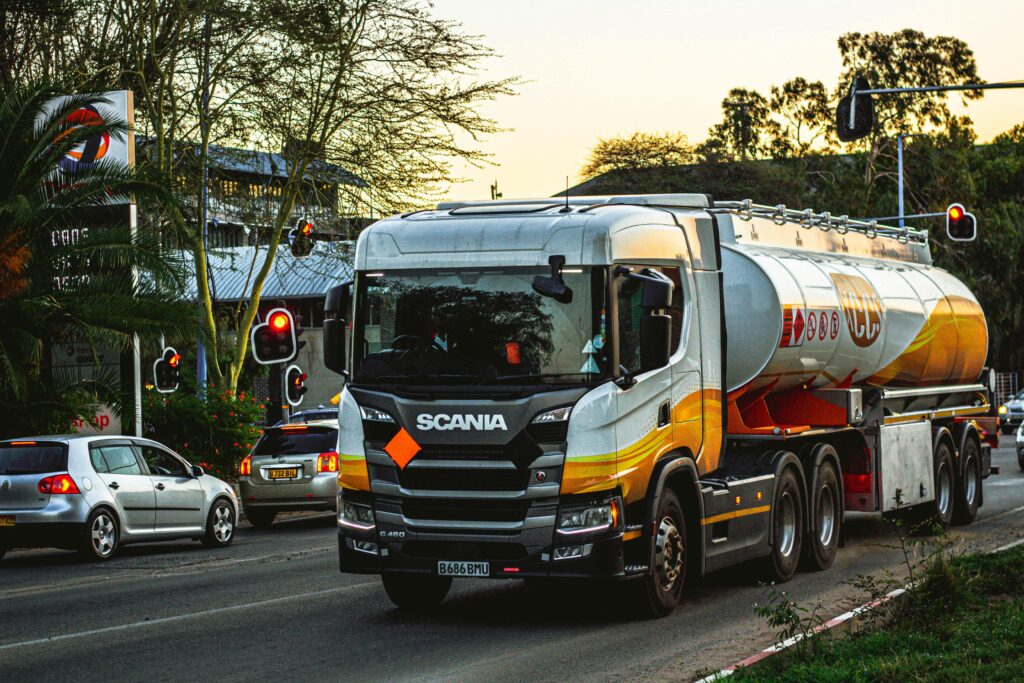
Coverage Across Urban and Remote Regions
Brazil’s geography includes major metropolitan areas, coastal cities, inland towns, and remote communities. A strong relocation network ensures coverage across these varied regions. Local teams understand regional road conditions, regulations, and access challenges, while the central coordination team manages the overall move plan.
This combination of local expertise and national coordination ensures efficient relocations anywhere in the country.
Standardized Packing and Handling Procedures
One of the key advantages of a relocation network is uniformity in service standards. All teams follow the same packing methods, use similar protective materials, and adhere to consistent loading practices. Whether the move begins in a large city or a small town, the quality of service remains the same.
Standardization minimizes the risk of damage and ensures that every item is treated with care throughout the journey.
Coordinated Fleet Movement
A relocation network operates a connected fleet of vehicles that move goods through planned routes. For long-distance relocations, goods may be transferred between vehicles at network hubs without compromising safety. These transfers are managed systematically to maintain delivery schedules.
GPS tracking and communication systems keep every vehicle connected to the central control team, providing real-time updates and route adjustments as needed.
Integrated Storage Hubs
Relocation networks often include strategically located storage warehouses across Brazil. If there is a delay in occupancy at the destination, goods can be stored safely at the nearest hub. These facilities are designed to protect items from humidity, dust, and temperature changes.
Having multiple storage points within the network provides flexibility for customers during complex moves.
Centralized Communication and Tracking
A unified communication platform allows customers to interact with a single point of contact throughout the move. Behind the scenes, regional teams coordinate through shared systems that track inventory, vehicle movement, and delivery status.
This transparency reduces confusion and ensures that customers are always informed about the progress of their relocation.
Support for Interstate and Long-Distance Moves
Interstate relocations in Brazil can span hundreds or even thousands of kilometers. A relocation network simplifies these moves by coordinating teams at origin, transit hubs, and destination. Each team knows its role and timing, ensuring smooth transitions between stages.
This structured handoff process prevents delays and maintains accountability for household goods at all times.
Trained Teams and Local Expertise
Network partners are trained according to shared operational guidelines. At the same time, local teams bring knowledge of their specific regions, such as traffic patterns, building access rules, and neighborhood layouts. This blend of standard training and local familiarity enhances efficiency and safety.
Benefits for Families and Individuals
- Reliable timelines for long-distance relocations
- Consistent packing and handling quality
- Flexible storage options across regions
- Real-time tracking and communication
- Reduced stress through centralized coordination
These benefits make relocation networks especially valuable for families moving for work, education, or lifestyle changes.
Ideal for Complex and Multi-Stage Moves
Some relocations involve temporary stays, phased deliveries, or multiple destinations. A relocation network can handle such complexity with ease by coordinating across its various hubs and teams.
Choosing a Provider with a Strong Relocation Network
When planning a move, ask whether the provider operates through a connected network of teams and facilities. Providers with a robust network can handle interstate logistics more efficiently and provide consistent service quality across regions.
Look for features such as shared tracking systems, multiple storage locations, standardized packing methods, and centralized customer support.
A home relocation network in Brazil brings structure, coordination, and reliability to residential moves. By connecting regional teams, fleet resources, storage hubs, and technology platforms, these networks ensure that household goods travel safely and efficiently from one home to another.
For families planning a move across cities or states, partnering with a provider that operates within a strong relocation network means less uncertainty, better communication, and a smoother transition into a new home.