
Residential logistics in Brazil is undergoing rapid transformation. Driven by e-commerce growth, urban expansion, and rising customer expectations, logistics providers are rethinking how parcels, appliances, groceries, furniture, and personal shipments travel from warehouses to doorsteps. Innovation is the catalyst—bringing smarter technology, better processes, and customer-centric models to home delivery across cities, suburbs, and remote regions.
From intelligent routing to digital proof of delivery, Brazil’s residential logistics ecosystem is evolving into a faster, more transparent, and highly efficient network designed around the needs of modern households.
The Forces Driving Innovation
Several trends are accelerating innovation in residential logistics:
- Surge in online shopping and home deliveries
- Demand for same-day and next-day service
- Urban congestion and vertical housing challenges
- Need for real-time tracking and communication
- Pressure to reduce costs and environmental impact
These forces push logistics companies to adopt advanced tools and rethink traditional delivery methods.
Smart Route Optimization and AI Planning
One of the most impactful innovations is AI-powered route optimization. Intelligent systems analyze traffic patterns, delivery density, road conditions, and time windows to create the most efficient delivery routes.
In large urban centers such as São Paulo and Rio de Janeiro, this technology helps drivers avoid congestion and complete more deliveries in less time. In rural regions, it ensures long routes are planned with fuel and time efficiency.
Real-Time Tracking and Visibility
Modern residential logistics platforms provide end-to-end shipment visibility. Customers can track deliveries live, receive ETA updates, and get notifications when the vehicle is nearby.
This transparency reduces uncertainty, minimizes missed deliveries, and builds trust between customers and logistics providers.
Digital Proof of Delivery (POD)
Paper receipts are being replaced by digital confirmations:
- OTP verification
- Mobile signatures
- Photographic delivery evidence
This innovation eliminates disputes, improves accountability, and speeds up confirmation processes.
Micro-Fulfillment and Urban Distribution Centers
To reduce delivery times, logistics providers are creating smaller distribution hubs within cities. These micro-fulfillment centers position inventory closer to residential areas, enabling faster dispatch and same-day deliveries.
This decentralized model reduces long transit times and improves last-mile performance.
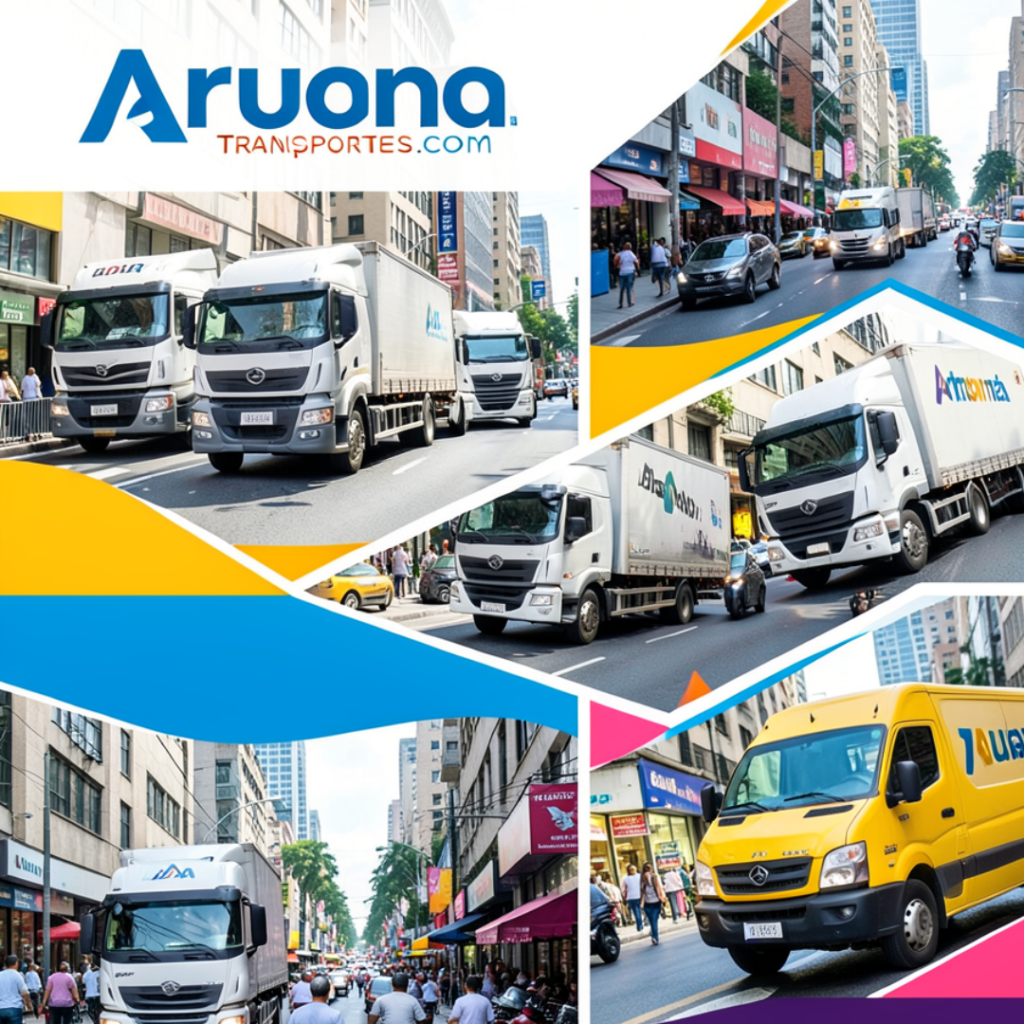
Smart Parcel Lockers and Secure Drop Points
In apartment complexes and gated communities, smart lockers are becoming popular. Delivery staff can securely place parcels in lockers, and customers retrieve them at their convenience using digital codes.
This solves the challenge of customer unavailability and improves delivery success rates.
Automation in Sorting and Dispatch
Warehouses and sorting hubs are adopting automation technologies:
- Barcode and QR scanning for parcel identification
- Conveyor sorting systems
- Automated dispatch allocation
These systems reduce human error and speed up processing before shipments head out for delivery.
Mobile Technology for Delivery Teams
Delivery personnel now use mobile apps that provide:
- Optimized routes
- Customer instructions and access notes
- Digital POD tools
- Instant communication with support teams
This empowers field staff to perform deliveries efficiently and professionally.
Data-Driven Decision Making
Residential logistics innovation relies heavily on data analytics. Systems track:
- Delivery times by region
- Common delay points
- Customer availability patterns
- Driver performance metrics
These insights help companies continuously refine their operations and service quality.
Supporting E-commerce and Home Relocations
Innovations in logistics directly support growing e-commerce demands and residential relocations. High parcel volumes and multi-item household moves are managed seamlessly through coordinated tracking, scheduling, and handling systems.
Eco-Friendly Delivery Innovations
Sustainability is a growing focus. Logistics providers are introducing:
- Electric delivery vehicles
- Route optimization to reduce fuel consumption
- Reusable packaging materials
- Consolidated deliveries to minimize trips
These efforts reduce environmental impact while maintaining efficiency.
Customer-Centric Delivery Models
Modern residential logistics prioritizes convenience:
- Flexible delivery time slots
- Easy rescheduling through apps
- Live chat support for delivery queries
- Accurate ETAs and alerts
These features enhance the overall customer experience.
Overcoming Residential Access Challenges
Innovations also address real-world delivery barriers:
- Access coordination for high-rise buildings
- Security compliance for gated communities
- Specialized handling for bulky or fragile items
Technology ensures these factors are built into delivery planning.
Integration Across the Logistics Chain
Residential logistics systems now integrate warehouses, transport fleets, customer service, and tracking platforms into a single ecosystem. This seamless integration ensures faster communication and fewer operational gaps.
The Role of Emerging Technologies
The future of residential logistics in Brazil includes:
- AI demand forecasting
- Autonomous delivery vehicle trials
- Drone delivery experiments
- Voice-enabled tracking assistants
These technologies will further enhance speed and reliability.
Choosing an Innovative Logistics Partner
Businesses and individuals should look for providers that offer:
- Real-time tracking systems
- Automated scheduling and routing
- Digital proof of delivery
- Strong last-mile capabilities
- Sustainable delivery practices
These qualities reflect a forward-thinking logistics operation.
Residential logistics innovation is redefining how goods move to homes across Brazil. By embracing smart technology, automation, and customer-centric practices, logistics providers are creating faster, safer, and more transparent delivery experiences.
As demand for home deliveries continues to rise, innovation will remain the key driver that enables logistics networks to scale efficiently while meeting the expectations of modern households.