
Home relocation in Brazil has become an increasingly important part of the country’s service economy, driven by urban growth, job mobility, real estate expansion, and lifestyle changes. Whether it involves moving within a city like São Paulo or relocating across states from Rio de Janeiro to inland regions, residential moving services in Brazil have evolved into a structured industry supported by professional logistics companies, digital platforms, and specialized transport providers.
As Brazil continues to urbanize and integrate into global economic networks, home relocation services are adapting to meet rising expectations for efficiency, safety, and affordability.
Overview of Home Relocation Services in Brazil
Home relocation refers to the process of moving household goods, furniture, and personal belongings from one residence to another. In Brazil, this service is provided by a mix of small local movers, regional logistics firms, and large national moving companies.
The industry includes:
- Local residential moves (within cities)
- Intercity relocations (between states)
- Long-distance national moves
- International relocation services
- Corporate employee relocation packages
The demand for relocation services is particularly strong in metropolitan regions, where job opportunities and housing mobility are high.
Key Drivers of Home Relocation in Brazil
Several factors contribute to the growing demand for home relocation services in Brazil:
1. Urbanization and Population Mobility
Brazil has a highly urbanized population, with major cities attracting workers from across the country. People frequently move for better employment, education, or lifestyle opportunities.
2. Real Estate Market Growth
Expansion of residential developments and housing projects encourages movement between neighborhoods and cities. Rising property development in suburban areas is also driving relocation trends.
3. Employment Migration
Corporate expansion, industrial growth, and service-sector jobs lead to frequent employee transfers between cities such as São Paulo, Rio de Janeiro, and Brasília.
4. Lifestyle Changes
Many families relocate to improve living conditions, access better infrastructure, or move closer to schools, healthcare, and business centers.
5. International Mobility
Brazil’s integration into global markets has increased international relocation, especially for professionals, expatriates, and multinational employees.
Types of Home Relocation Services
The home relocation industry in Brazil offers a wide range of services tailored to different customer needs:
1. Local Moving Services
These involve short-distance moves within the same city. They are typically completed within a day and include transportation, loading, and unloading services.
2. Intercity and Interstate Moves
Long-distance relocations require more complex logistics planning, including route optimization, scheduling, and sometimes temporary storage.
3. Full-Service Relocation
Premium services include packing, dismantling furniture, transportation, unpacking, and setup at the new residence.
4. Self-Service Moving
Customers handle packing themselves while the company provides transport and basic handling services.
5. Specialty Moving Services
These include relocation of fragile items, pianos, artwork, antiques, and high-value goods requiring special handling.
The Home Relocation Process in Brazil
A typical home relocation process in Brazil involves several stages:
1. Pre-Move Survey and Planning
A moving company assesses the volume of goods, distance, and customer requirements. This helps in determining cost and logistics planning.
2. Packing and Preparation
Professional packers use protective materials such as bubble wrap, cartons, and crates to secure household items.
3. Loading and Transport
Goods are carefully loaded into trucks based on weight distribution and fragility. Transportation routes are planned for efficiency and safety.
4. Delivery and Unloading
Upon arrival, items are unloaded and placed in designated rooms according to customer instructions.
5. Unpacking and Setup (Optional)
Some services include unpacking and furniture assembly to help customers settle quickly.
Role of Technology in Home Relocation
Technology is transforming Brazil’s home relocation industry by improving efficiency, transparency, and customer experience.
Digital Booking Platforms
Customers can now book moving services online, compare prices, and schedule relocations through mobile apps and websites.
GPS Tracking Systems
Real-time tracking allows customers to monitor their belongings during transit, increasing trust and security.
Inventory Management Tools
Digital inventories help track household items, reducing the risk of loss or damage.
AI-Based Cost Estimation
Some companies use artificial intelligence to estimate moving costs based on distance, volume, and service type.
Customer Support Automation
Chatbots and digital assistants provide instant updates and support during the relocation process.
Major Challenges in Home Relocation in Brazil
Despite its growth, the home relocation industry in Brazil faces several challenges:
1. Infrastructure Limitations
Poor road conditions in certain regions can lead to delays and increased transportation risks.
2. Urban Traffic Congestion
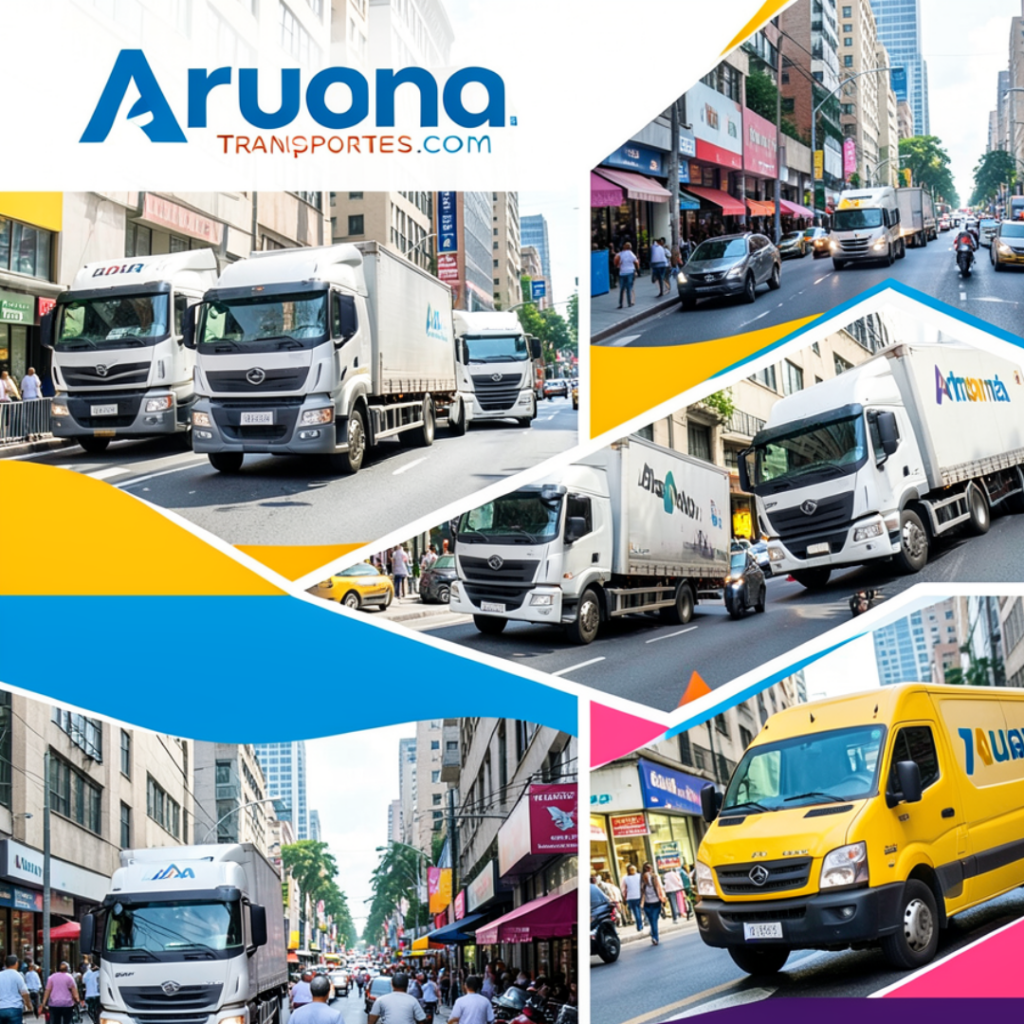
Large cities such as São Paulo often experience heavy traffic, making scheduling and delivery times unpredictable.
3. Cost Variability
Prices for relocation services can vary significantly depending on distance, season, and service quality.
4. Security Concerns
In some regions, there are risks related to theft or damage during transit, requiring additional insurance and security measures.
5. Informal Service Providers
The presence of unregulated or informal movers can lead to inconsistent service quality and customer dissatisfaction.
Opportunities in the Brazilian Relocation Market
The home relocation sector in Brazil presents several opportunities for growth and innovation:
1. Rising Urban Migration
Continued movement toward urban centers increases demand for professional moving services.
2. Growth of E-commerce and Digital Platforms
Online booking systems are making relocation services more accessible and competitive.
3. Corporate Relocation Services
Businesses relocating employees across cities are creating a steady demand for premium relocation packages.
4. Expansion of Professional Standards
Increasing regulation and industry standards are improving service quality and customer trust.
5. Integration with Logistics Networks
Relocation companies are integrating with broader logistics and transport systems for better efficiency and resource utilization.
Economic Importance of Home Relocation Services
Home relocation plays an important role in Brazil’s service economy. It supports labor mobility, enables urban development, and contributes to the logistics and transportation sectors.
Efficient relocation services help:
- Improve workforce mobility
- Support real estate market dynamics
- Enhance urban planning and development
- Strengthen small and medium logistics businesses
In major cities like São Paulo and Rio de Janeiro, relocation services are an essential part of urban life.
Sustainability in Home Relocation
Sustainability is becoming an important focus in Brazil’s relocation industry. Companies are adopting eco-friendly practices such as:
- Using fuel-efficient transport vehicles
- Reducing packaging waste
- Recycling cardboard and packing materials
- Optimizing routes to reduce emissions
These initiatives align with global environmental goals and help reduce the carbon footprint of moving services.
Future Outlook of Home Relocation in Brazil
The future of home relocation in Brazil is expected to be shaped by digital transformation, urbanization, and service innovation.
Key trends include:
- Increased use of AI and automation in logistics planning
- Growth of app-based relocation platforms
- Expansion of integrated logistics and storage solutions
- Higher demand for premium and customized moving services
- Greater focus on sustainability and efficiency
As Brazil’s cities continue to expand and evolve, relocation services will become more sophisticated, customer-centric, and technology-driven.
Home relocation in Brazil is a rapidly evolving industry that reflects broader changes in urban development, economic mobility, and consumer expectations. From local moves in São Paulo to long-distance relocations across states, the sector is supported by a growing network of professional service providers and logistics technologies.
While challenges such as infrastructure limitations and cost variability remain, the industry is steadily improving through digitalization, better regulation, and increased competition.
With continued innovation and investment, home relocation services in Brazil are set to become more efficient, reliable, and accessible, playing a vital role in supporting the country’s dynamic and mobile population.