
Residential transport in Brazil refers to the systems, infrastructure, and services that enable daily mobility for residents within cities, suburbs, and metropolitan regions. It includes public transportation networks, private vehicles, shared mobility services, cycling infrastructure, and informal transit systems that collectively support millions of daily commuters.
In Brazil, residential transport plays a crucial role in shaping urban life, economic productivity, and social inclusion. Given the country’s large population, rapid urbanization, and unequal infrastructure development, mobility systems vary significantly between regions. Major metropolitan areas rely on highly structured transit networks, while smaller cities and peripheral zones often depend on informal or limited transport options.
Overview of Residential Transport Systems
Residential transport systems in Brazil are designed to move people efficiently within urban and suburban environments. These systems include buses, metro networks, commuter trains, taxis, ride-hailing platforms, motorcycles, bicycles, and walking infrastructure.
The structure of residential transport is deeply influenced by urban density and city planning. In large cities, high-capacity transit systems such as metro and bus rapid transit (BRT) corridors are essential. In smaller cities, buses and private vehicles dominate daily commuting patterns.
A key challenge in Brazil’s residential transport landscape is balancing accessibility, affordability, and efficiency. While major cities have modern transit infrastructure, many low-income and peripheral neighborhoods still face limited mobility options.
Urban Public Transportation Networks
Public transportation is the backbone of residential mobility in Brazil. Bus systems are the most widely used mode of transport across the country. Nearly every city, regardless of size, operates a bus network that connects residential areas to commercial, educational, and industrial zones.
In major metropolitan areas such as São Paulo and Rio de Janeiro, bus networks are extensive and highly integrated with other transport modes. However, congestion, long travel times, and overcrowding remain common issues.
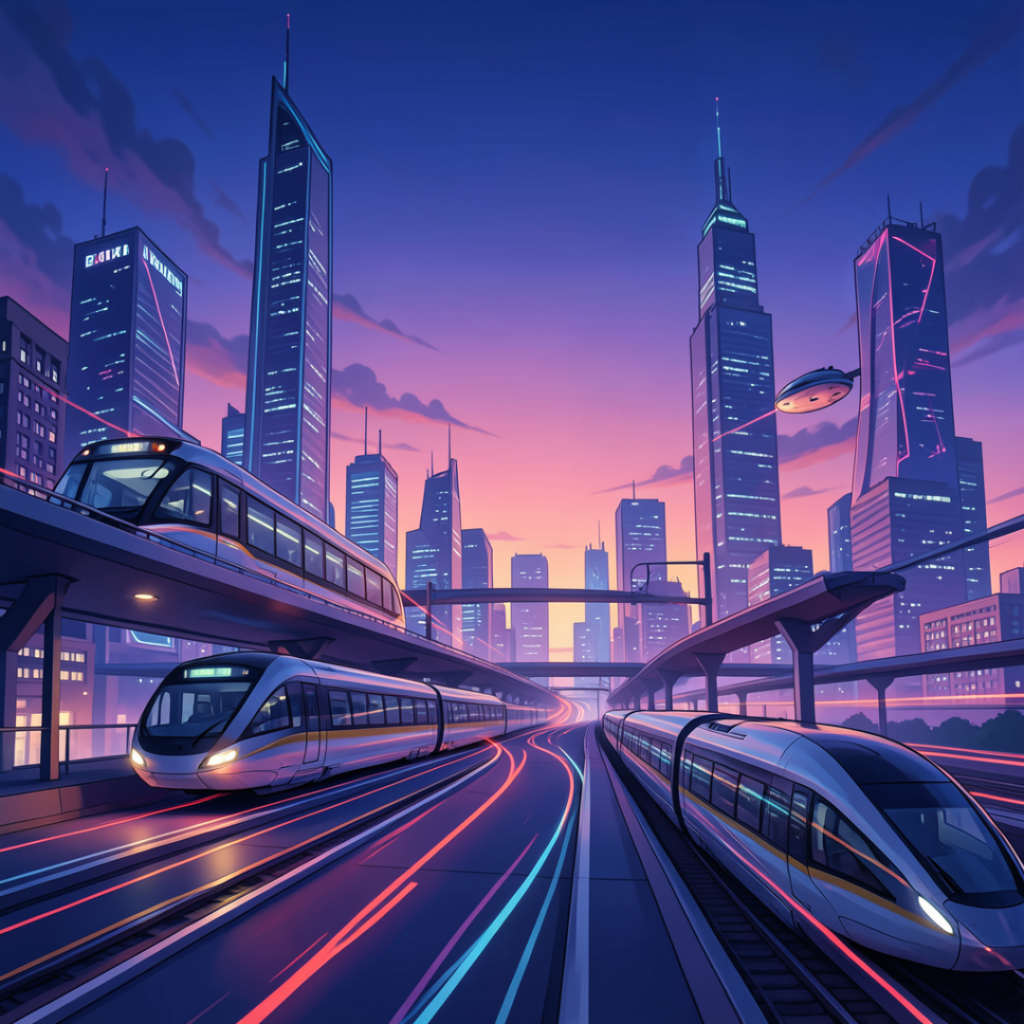
Rail-based systems, including metro and suburban trains, provide high-capacity transport in densely populated regions. The metro system in São Paulo is one of the most important components of urban mobility. São Paulo relies heavily on its metro network to reduce traffic congestion and improve commuting efficiency.
Similarly, Rio de Janeiro operates a metro system that connects key residential and commercial districts, helping commuters navigate one of Brazil’s most densely populated urban environments.
The São Paulo Metro is known for its modern infrastructure, high frequency, and integration with bus and rail systems. It plays a critical role in reducing travel time and improving accessibility for millions of daily passengers.
Role of Bus Rapid Transit (BRT) Systems
Bus Rapid Transit systems are an important innovation in Brazil’s residential transport network. Cities like Curitiba, Rio de Janeiro, and Brasília have implemented BRT corridors to improve bus efficiency and reduce congestion.
BRT systems operate on dedicated lanes, allowing buses to bypass traffic and maintain consistent travel times. This makes them more reliable compared to traditional bus services.
These systems are particularly important for connecting peripheral neighborhoods to city centers, improving mobility for lower-income populations. However, overcrowding and infrastructure maintenance remain ongoing challenges.
Private Vehicle Usage and Urban Congestion
Private vehicle ownership in Brazil has increased significantly over the past decades, especially in urban areas. Cars and motorcycles are widely used for daily commuting, particularly in cities with limited public transport coverage.
While private vehicles offer flexibility and convenience, they also contribute to traffic congestion, air pollution, and increased travel times in major cities.
In metropolitan regions like São Paulo, traffic congestion is one of the most persistent urban mobility challenges. Long commute times affect productivity and quality of life for residents.
Motorcycles are also widely used, especially in congested cities. They offer faster travel times and lower fuel costs, making them a popular choice for delivery services and short-distance commuting.
Ride-Hailing and Shared Mobility Services
In recent years, ride-hailing services have transformed residential transport in Brazil. Digital platforms such as Uber, 99, and other mobility apps have expanded transportation options for urban residents.
These services provide flexible, on-demand transportation and are particularly useful in areas with limited public transit access. They also play a key role in last-mile connectivity, helping commuters reach metro stations or bus stops.
Shared mobility services have improved convenience but have also raised concerns about traffic congestion and regulatory oversight. Nonetheless, they remain an important component of Brazil’s evolving transport ecosystem.
Cycling and Micro-Mobility Solutions
Cycling infrastructure is gradually expanding in Brazilian cities, particularly in urban centers that are investing in sustainable mobility solutions. Dedicated bike lanes and bike-sharing systems are becoming more common in cities like São Paulo and Rio de Janeiro.
Cycling offers an affordable, eco-friendly alternative for short-distance commuting. However, safety concerns and limited infrastructure in some areas restrict wider adoption.
Electric scooters and other micro-mobility solutions are also emerging in select urban areas. These options are helping improve last-mile connectivity and reduce dependence on motorized transport.
Informal Transport Systems
Informal transport plays a significant role in residential mobility, especially in lower-income and peripheral areas. Vans, minibuses, and informal taxi services often fill gaps in official public transportation networks.
These systems provide flexible and accessible transport options but are often unregulated, leading to concerns about safety, pricing, and service reliability.
Despite these challenges, informal transport remains an essential part of daily commuting for many residents, particularly in areas where formal infrastructure is insufficient.
Infrastructure and Urban Mobility Challenges
Residential transport in Brazil faces several structural challenges. Infrastructure gaps between regions create unequal access to mobility services. While major cities have developed transit systems, smaller cities and suburban areas often lack reliable public transportation.
Traffic congestion is another major issue in large metropolitan areas. High population density and increased vehicle ownership contribute to slow travel times and reduced efficiency.
Funding limitations and maintenance issues also affect the quality of public transportation systems. Aging infrastructure in some cities requires modernization to meet growing demand.
Safety and security concerns, particularly in informal transport and certain urban areas, also impact commuter confidence and system usage.
Technological Advancements in Urban Transport
Technology is playing an increasingly important role in improving residential transport systems in Brazil. Smart mobility solutions are being implemented to enhance efficiency and user experience.
Real-time tracking apps allow commuters to monitor bus and train schedules, reducing waiting times and improving travel planning.
Integrated payment systems, such as smart cards and mobile payments, simplify fare collection and improve system integration across different transport modes.
Data analytics is also being used by city planners to optimize routes, reduce congestion, and improve service frequency based on demand patterns.
Sustainability and Future Mobility Trends
Sustainability is becoming a central focus in Brazil’s residential transport planning. Cities are investing in cleaner energy buses, electric vehicle infrastructure, and expanded cycling networks to reduce carbon emissions.
Public policies are increasingly focused on promoting public transport usage over private vehicles to reduce congestion and environmental impact.
Urban mobility planning is also shifting toward integrated transport systems that combine buses, metro, cycling, and shared mobility into unified networks.
The future of residential transport in Brazil is expected to be shaped by electrification, digitalization, and infrastructure expansion. These developments aim to create more efficient, inclusive, and environmentally friendly mobility systems.
Residential transport in Brazil is a complex and evolving system that plays a vital role in daily life, economic productivity, and urban development. From metro systems and bus networks to ride-hailing services and informal transport, the country’s mobility landscape is highly diverse.
Despite challenges such as congestion, infrastructure gaps, and regional inequalities, continuous investment and technological innovation are driving improvements in urban mobility.
As cities continue to grow and modernize, residential transport systems in Brazil are expected to become more integrated, sustainable, and accessible, supporting better quality of life and stronger urban development outcomes.