
Business transport solutions in Brazil play a central role in enabling companies to move goods, manage supply chains, and compete effectively in both domestic and global markets. Given Brazil’s vast geographic size, diverse economic sectors, and complex infrastructure landscape, transportation solutions must be flexible, scalable, and technologically advanced to meet modern business demands.
From small enterprises to multinational corporations, businesses in Brazil rely on integrated transport solutions to handle everything from raw material procurement to last-mile delivery. These solutions combine multiple transport modes, digital logistics systems, and strategic planning to ensure efficiency, cost control, and reliability.
Overview of Business Transport in Brazil
Brazil is one of the largest economies in the world and a major exporter of agricultural products, minerals, and manufactured goods. As a result, its transport ecosystem is essential to economic performance.
Business transport solutions in Brazil typically include:
- Freight transportation services (road, rail, water, air)
- Supply chain and logistics management systems
- Last-mile delivery networks
- Warehousing and distribution services
- Intermodal and multimodal transport integration
The country’s logistics environment is shaped by long distances between production and consumption centers, making efficient transport planning a key business priority.
Road Transport Solutions for Businesses
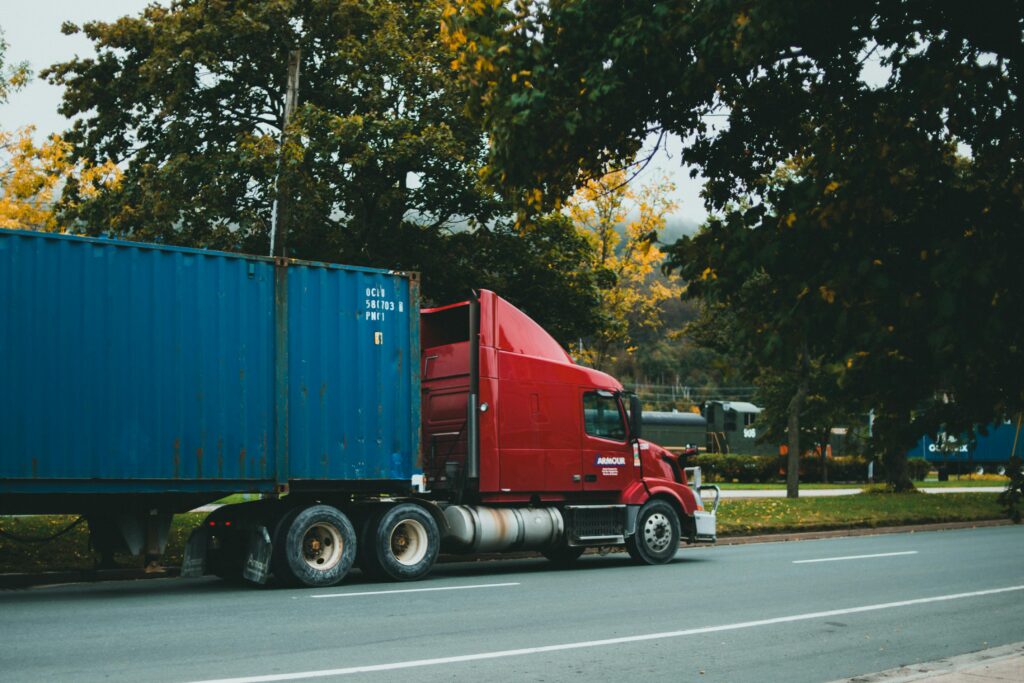
Road transport is the most widely used solution for business logistics in Brazil. It provides flexibility and accessibility across regions, making it essential for both small-scale and large-scale operations.
Key Features of Road Transport Solutions
- Door-to-door delivery capability
- Flexible routing and scheduling
- Wide geographic coverage
- Suitable for short and medium-distance shipments
Business Applications
- Retail distribution networks
- Agricultural product transportation
- Manufacturing supply chains
- E-commerce deliveries
However, businesses must also address challenges such as high fuel costs, road congestion, and infrastructure inconsistencies. Many companies use route optimization software and fleet management systems to improve efficiency and reduce operational expenses.
Rail Transport Solutions for Businesses
Rail transport is an important solution for businesses dealing with bulk commodities and long-distance freight movement. Although less developed than road transport, it is gaining importance in Brazil’s logistics landscape.
Advantages of Rail Transport
- Lower cost per ton-kilometer
- High capacity for bulk cargo
- Reduced environmental impact
- Efficient long-distance transportation
Common Business Uses
- Agricultural exports such as soybeans and corn
- Mining products like iron ore
- Industrial raw materials
- Energy and fuel transport
Rail solutions are often integrated with road transport to ensure first-mile and last-mile connectivity.
Waterway and Port-Based Transport Solutions
Brazil’s extensive river systems and long coastline make water transport a valuable business solution, especially for bulk cargo and international trade.
Inland Water Transport
River transport is widely used in the Amazon and Paraná-Paraguay regions. It offers cost-effective logistics solutions for businesses operating in remote areas.
Maritime and Port Logistics
Major ports such as Santos, Paranaguá, and Itaqui serve as critical hubs for international trade.
Business Benefits
- Low-cost bulk transportation
- High capacity for export goods
- Integration with global shipping routes
Ports also act as intermodal centers, connecting sea freight with road and rail systems for efficient distribution.
Air Freight Solutions for Business Needs
Air transport solutions are used for high-value, time-sensitive, or perishable goods. While it represents a smaller share of total freight volume, it is essential for specific industries.
Key Applications
- Pharmaceuticals and medical supplies
- Electronics and high-value goods
- E-commerce express deliveries
- Perishable food products
Advantages
- Fastest delivery mode
- High reliability for urgent shipments
- Global connectivity
Limitations
- High cost compared to other transport modes
- Limited cargo capacity
- Dependency on airport infrastructure
Air freight is often used as part of premium logistics services for time-critical business operations.
Integrated and Multimodal Transport Solutions
Modern business transport solutions in Brazil increasingly rely on multimodal logistics systems that combine road, rail, water, and air transport.
Benefits of Multimodal Solutions
- Reduced transportation costs
- Improved delivery efficiency
- Greater flexibility in logistics planning
- Better use of infrastructure resources
Example Workflow
A typical multimodal process might involve:
- Truck transport from factory to rail terminal
- Rail transport for long-distance movement
- Truck delivery from rail hub to warehouse or port
- Maritime shipping for international export
This integration helps businesses overcome infrastructure limitations and optimize supply chain performance.
Technology-Driven Transport Solutions
Digital transformation is revolutionizing business transport solutions in Brazil. Companies are increasingly adopting advanced technologies to improve efficiency and visibility.
Fleet Management Systems
These systems help businesses monitor vehicles, drivers, and fuel usage in real time. Features include:
- GPS tracking
- Driver performance analytics
- Maintenance scheduling
- Fuel optimization
Transportation Management Systems (TMS)
TMS platforms allow businesses to manage logistics operations, including:
- Order processing
- Carrier selection
- Route optimization
- Shipment tracking
Artificial Intelligence and Data Analytics
AI tools are used to:
- Predict demand fluctuations
- Optimize delivery routes
- Reduce operational costs
- Improve supply chain planning
IoT and Smart Sensors
IoT devices provide real-time monitoring of cargo conditions such as temperature, humidity, and location, which is critical for sensitive goods.
E-Commerce and Business Transport Growth
The rapid expansion of e-commerce in Brazil has significantly influenced business transport solutions. Companies must now handle large volumes of small parcel deliveries with high speed and accuracy.
Key Impacts
- Increased demand for last-mile delivery services
- Growth of urban distribution centers
- Higher expectations for same-day and next-day delivery
- Expansion of courier and express logistics services
Businesses are investing in digital logistics platforms and automated fulfillment systems to meet these demands.
Challenges in Business Transport Solutions
Despite advancements, Brazil’s transport system faces several challenges that affect business operations.
Infrastructure Limitations
Uneven road quality, limited rail networks, and congestion in urban areas impact efficiency.
High Logistics Costs
Transport costs in Brazil are relatively high due to fuel prices, tolls, and long distances.
Regulatory Complexity
Businesses must comply with multiple tax systems, freight documentation rules, and transportation regulations across states.
Security Risks
Cargo theft and fraud remain concerns, especially for high-value goods transported by road.
Sustainability in Business Transport
Sustainability is becoming a major focus for businesses in Brazil. Companies are adopting eco-friendly transport solutions to reduce environmental impact and meet global standards.
Sustainable Practices
- Use of fuel-efficient and electric vehicles
- Optimization of delivery routes to reduce emissions
- Increased use of rail and water transport
- Carbon tracking and reporting systems
Sustainable transport solutions also help businesses reduce costs and improve brand reputation.
Role of Logistics Providers and Third-Party Services
Many businesses in Brazil rely on third-party logistics (3PL) providers to manage transport operations. These providers offer integrated solutions such as:
- Freight management
- Warehousing and distribution
- Customs clearance support
- Supply chain optimization
Outsourcing transport functions allows businesses to focus on core activities while benefiting from expert logistics management.
Future Trends in Business Transport Solutions
The future of transport solutions in Brazil will be shaped by innovation and infrastructure development.
Key Trends
- Expansion of rail and multimodal networks
- Growth of automated and autonomous logistics systems
- Increased adoption of electric vehicles
- AI-driven supply chain optimization
- Expansion of digital freight marketplaces
These developments will make business transport systems more efficient, transparent, and sustainable.
Business transport solutions in Brazil are essential for supporting economic activity across industries such as agriculture, manufacturing, retail, and e-commerce. Despite challenges such as infrastructure gaps and high logistics costs, the sector continues to evolve through digital transformation and multimodal integration.
By leveraging advanced technologies, optimizing transport networks, and adopting sustainable practices, businesses in Brazil can improve efficiency and competitiveness. As the logistics landscape continues to modernize, transport solutions will play an even more critical role in shaping the country’s economic future and global trade performance.