
Spanning more than 8.5 million square kilometers, Brazil’s size creates both opportunity and complexity for commercial logistics. Production hubs in the southeast and south must connect with northern agricultural frontiers, northeastern consumer markets, and coastal export terminals. As a result, the commercial transport network is built around multimodal connectivity that allows goods to transition seamlessly between road, rail, river, sea, and air.
This flexibility is essential for managing long distances, varied cargo types, and changing delivery timelines across regions with different infrastructure maturity.
Highways as the Primary Arteries
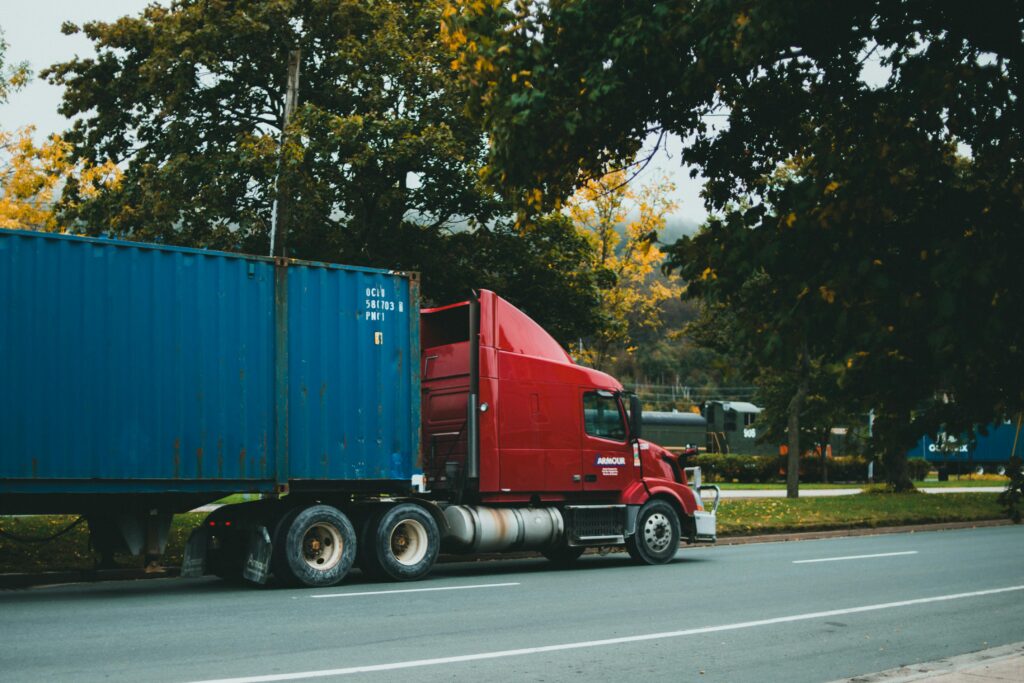
Road transport is the dominant mode in Brazil’s commercial network, carrying the majority of domestic freight. Federal highways such as BR-116, BR-101, BR-381, BR-040, and BR-163 serve as major freight corridors connecting industrial cities, distribution hubs, and ports.
Trucking provides door-to-door reach, making it ideal for consumer goods, industrial supplies, agricultural produce, and last-mile deliveries. The highway grid links factories in the southeast to ports on the Atlantic coast and connects inland states to urban retail centers.
Ongoing investments in toll roads, duplications, and maintenance are steadily improving reliability and transit times.
Railways for Bulk and Long-Distance Efficiency
Rail transport complements highways by moving heavy and high-volume cargo over long distances at lower cost. Key rail operators such as Rumo Logística and MRS Logística connect mining regions, agricultural zones, and industrial clusters to export ports.
Rail is especially important for commodities, steel, fertilizers, fuels, and containerized cargo moving from inland terminals to coastal gateways. Expanding rail corridors are reducing pressure on highways and enhancing overall network efficiency.
Inland Waterways as Cost-Effective Routes
Brazil’s vast river systems, particularly in the Amazon and Paraná basins, form natural logistics corridors. Barges transport grains, minerals, fuels, and oversized cargo through navigable waterways, offering a cost-effective and environmentally friendly alternative to road transport.
Waterways are particularly valuable in regions where road infrastructure is limited, helping integrate remote production areas into the national transport network.
Ports Connecting Brazil to Global Trade
Seaports are vital nodes in the commercial transport system, handling exports and imports that fuel Brazil’s economy.
The Port of Santos is the largest port in Latin America and a primary gateway for containerized goods, machinery, and industrial cargo. The Port of Paranaguá supports agricultural and industrial shipments from the south, while the Port of Rio de Janeiro handles oil, gas, and general cargo. In the far south, the Port of Rio Grande serves regional industries and international routes.
These ports are connected to inland regions through highways and rail lines, forming efficient export and import corridors.
Airports Supporting High-Value and Urgent Cargo
Air freight plays a smaller but crucial role in Brazil’s transport network. Major airports such as São Paulo/Guarulhos International Airport and Viracopos International Airport handle time-sensitive, high-value shipments including electronics, pharmaceuticals, and critical industrial components.
Air cargo integrates with road transport for rapid regional distribution after arrival.
Distribution Hubs and Logistics Parks
Strategically located logistics parks near São Paulo, Campinas, Curitiba, and Belo Horizonte act as consolidation and redistribution points. These hubs connect long-haul transport modes with regional delivery networks, enabling efficient inventory management and faster order fulfillment.
Multimodal Coordination and Technology
A defining strength of Brazil’s commercial transport network is multimodal coordination. Cargo often moves by truck to a rail terminal, by rail to a port, and by ship to international markets. Digital platforms, GPS tracking, warehouse systems, and route optimization software provide visibility across these transitions.
Technology improves scheduling, reduces delays, and enhances cargo security throughout the journey.
Challenges Across the Network
Despite its scale, the network faces challenges:
- Infrastructure gaps in remote regions
- Urban congestion affecting delivery schedules
- Seasonal weather impacts on roads and rivers
- Regulatory complexity across states
- Security risks requiring monitoring and escorts in some corridors
Public and private investments continue to address these issues through modernization projects and smarter logistics planning.
Economic Significance
The commercial transport network supports millions of jobs in trucking, rail, port operations, warehousing, and logistics management. It enables domestic trade between states and sustains Brazil’s strong export performance in agriculture, mining, and manufacturing.
Efficient transport reduces costs for businesses and consumers while strengthening supply chain resilience.
Sustainability and Future Development
Brazil is increasingly prioritizing sustainable logistics by expanding rail use, promoting waterways, and adopting fuel-efficient vehicles. Ports and warehouses are implementing energy-saving technologies, while digital tools reduce unnecessary mileage and emissions.
Future development includes rail expansion, port automation, smart highways, and enhanced intermodal terminals that will further integrate the network.
Brazil’s commercial transport network is a complex, multimodal system that keeps the country’s economy moving. By connecting highways, railways, rivers, ports, airports, and logistics hubs, it enables efficient cargo flow across vast distances and diverse industries.
As infrastructure improves and technology advances, this network will continue to evolve—supporting faster deliveries, lower costs, and stronger global trade links for Brazil’s growing economy.