
Fulfillment providers in Brazil manage the end-to-end journey of products after they are manufactured or sourced. Core services typically include:
- Receiving and storing inventory in strategically located warehouses
- Real-time inventory management using warehouse software
- Order picking, packing, labeling, and quality checks
- Shipping coordination with road, air, and sea carriers
- Cash-on-delivery and payment reconciliation (where applicable)
- Returns handling and reverse logistics
- Customer order tracking and reporting dashboards
These services allow businesses to focus on marketing, sales, and product development while logistics specialists handle operational complexity.
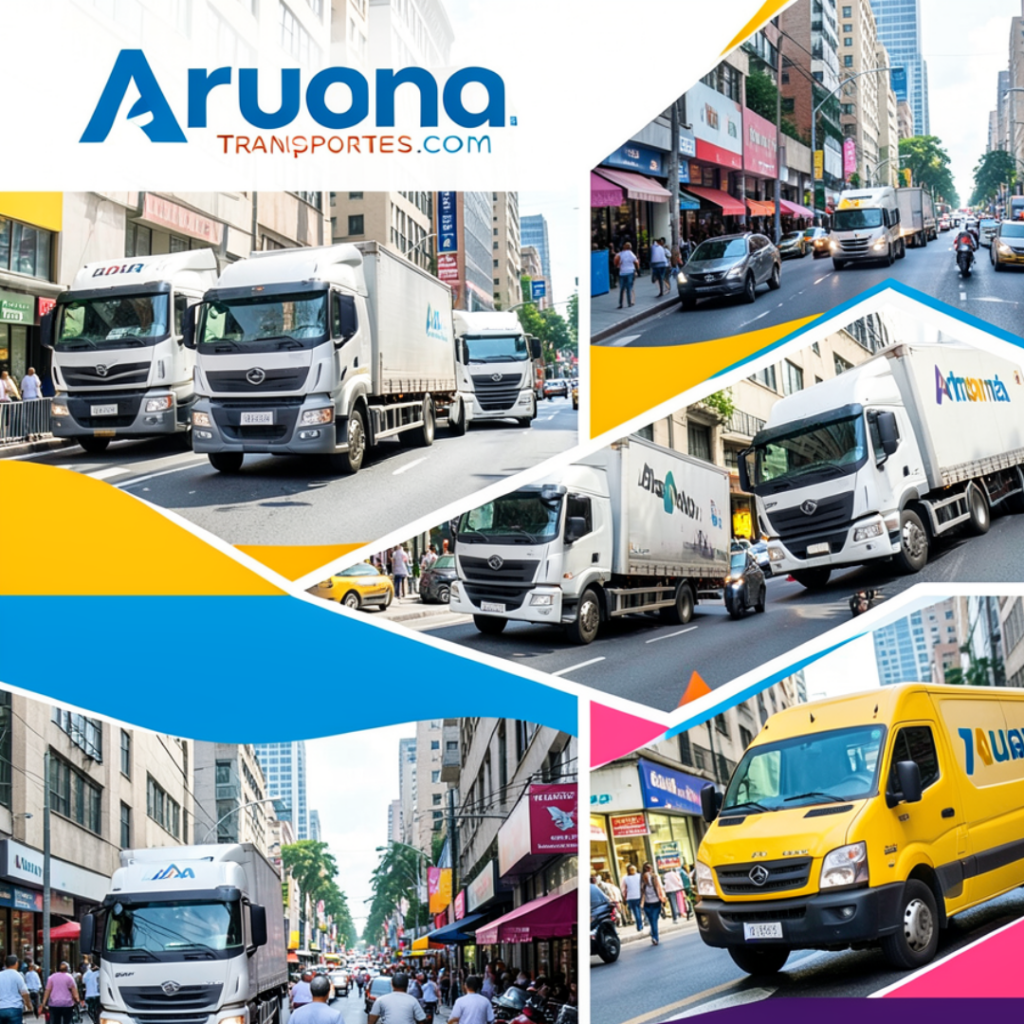
Growth Driven by E-commerce and Marketplaces
Brazil’s e-commerce boom has been a primary driver of fulfillment demand. Online marketplaces such as Mercado Livre, Amazon Brasil, and Magazine Luiza have raised the bar for delivery speed and service quality. Sellers on these platforms often depend on third-party fulfillment centers to meet strict shipping timelines and customer service standards.
Fulfillment services enable small and medium businesses to compete with large retailers by offering professional warehousing and nationwide shipping without investing in their own infrastructure.
Strategic Warehouse Locations
Location strategy is critical in Brazilian fulfillment logistics. Warehouses are typically positioned near major highways, airports, and ports to reduce delivery times.
The region around São Paulo is the most significant fulfillment hub due to its connectivity and proximity to the Port of Santos. Additional hubs in Campinas, Curitiba, Belo Horizonte, and Recife allow companies to distribute inventory regionally for faster last-mile delivery.
By splitting inventory across multiple fulfillment centers, businesses can reach customers in different regions within shorter delivery windows.
Technology Behind Modern Fulfillment
Advanced technology underpins efficient fulfillment operations in Brazil. Warehouse Management Systems (WMS) track every unit of inventory from arrival to dispatch. Barcode scanning, RFID tags, and automated sorting systems improve speed and accuracy.
Integration with e-commerce platforms allows orders to flow directly into warehouse systems without manual intervention. Customers receive automated tracking updates, while sellers gain access to dashboards showing stock levels, order status, and delivery performance.
Data analytics also helps forecast demand, optimize stock placement, and reduce storage costs.
Integration with Road and Multimodal Transport
Brazil’s reliance on road freight makes trucking the primary mode for fulfillment shipments. Orders are dispatched from warehouses via extensive highway networks for regional and national deliveries.
Rail operators such as Rumo Logística and MRS Logística support bulk inventory movement between regions, while air cargo is used for urgent deliveries.
This multimodal integration ensures that fulfillment providers can balance speed and cost depending on shipment priorities.
Specialized Fulfillment Capabilities
Different product categories require tailored fulfillment environments:
- Climate-controlled storage for food, cosmetics, and pharmaceuticals
- Secure zones for high-value electronics and luxury goods
- Hazard-compliant storage for chemicals
- Oversized storage areas for furniture and large equipment
Value-added services such as kitting, custom packaging, branding inserts, and quality inspections further enhance the customer experience.
Reverse Logistics and Returns Management
Returns are a significant part of e-commerce operations. Fulfillment providers in Brazil manage reverse logistics by receiving returned items, inspecting them, restocking usable goods, and processing refunds efficiently.
This capability is crucial for maintaining customer satisfaction and reducing losses from returned merchandise.
Challenges in Brazilian Fulfillment Operations
Despite growth, fulfillment services face operational challenges:
- Traffic congestion in major cities affecting last-mile delivery
- Variations in tax regulations across states complicating distribution planning
- Security concerns requiring surveillance and tracking systems
- Infrastructure limitations in remote areas increasing delivery times
Fulfillment providers mitigate these challenges through route optimization software, regional warehousing strategies, and strong carrier partnerships.
Sustainability in Fulfillment Logistics
Environmental responsibility is increasingly integrated into fulfillment operations. Warehouses adopt solar energy, efficient lighting, and optimized layouts to reduce energy consumption.
Packaging optimization reduces waste, and route planning software minimizes fuel usage. These initiatives support sustainability while lowering operational costs.
Benefits for Businesses Using Fulfillment Services
Companies that outsource fulfillment gain multiple advantages:
- Faster delivery times and nationwide reach
- Lower operational and warehousing costs
- Improved inventory accuracy and order processing
- Scalability during peak seasons
- Professional handling of returns and customer expectations
This allows businesses to scale quickly without heavy investment in logistics infrastructure.
Future of Fulfillment Services in Brazil
The future of fulfillment in Brazil is shaped by automation, robotics, and artificial intelligence. Smart warehouses with automated picking systems and predictive inventory management will further increase speed and accuracy.
As consumer demand for same-day and next-day delivery rises, more micro-fulfillment centers will emerge closer to urban centers. Cross-border e-commerce growth will also drive the need for bonded fulfillment facilities near ports and airports.
Fulfillment services in Brazil are transforming the way businesses store, process, and deliver products across the country. By combining strategic warehouse locations, advanced technology, and integrated transport networks, fulfillment providers enable fast, reliable, and scalable logistics operations.
As e-commerce, retail, and industrial distribution continue to expand, fulfillment services will remain essential to meeting customer expectations and supporting Brazil’s dynamic commercial landscape.