
Enterprise logistics in Brazil represents the coordinated management of transportation, warehousing, inventory, compliance, and technology across large, multi-site organizations operating in a vast and diverse territory. From industrial clusters in São Paulo to agribusiness heartlands in Mato Grosso, and export corridors feeding the Port of Santos, enterprise logistics connects suppliers, plants, distribution centers, retailers, and global markets in a single, synchronized network.
For enterprises in manufacturing, retail, mining, healthcare, food processing, and energy, logistics is a strategic capability. It determines service levels, cost structures, inventory performance, and customer satisfaction across thousands of kilometers of highways and multiple state jurisdictions.
What Enterprise Logistics Encompasses
Enterprise logistics goes beyond moving freight. It includes end-to-end planning and execution across:
- Transportation network design and carrier strategy
- Multi-warehouse inventory positioning and replenishment
- Distribution center operations and cross-docking
- Freight procurement, contracts, and performance KPIs
- Regulatory and tax compliance across states
- Real-time visibility, analytics, and exception management
Because Brazil’s infrastructure quality and distances vary widely by region, enterprises must design logistics networks that balance speed, cost, and reliability.
Road Transport as the Core Artery
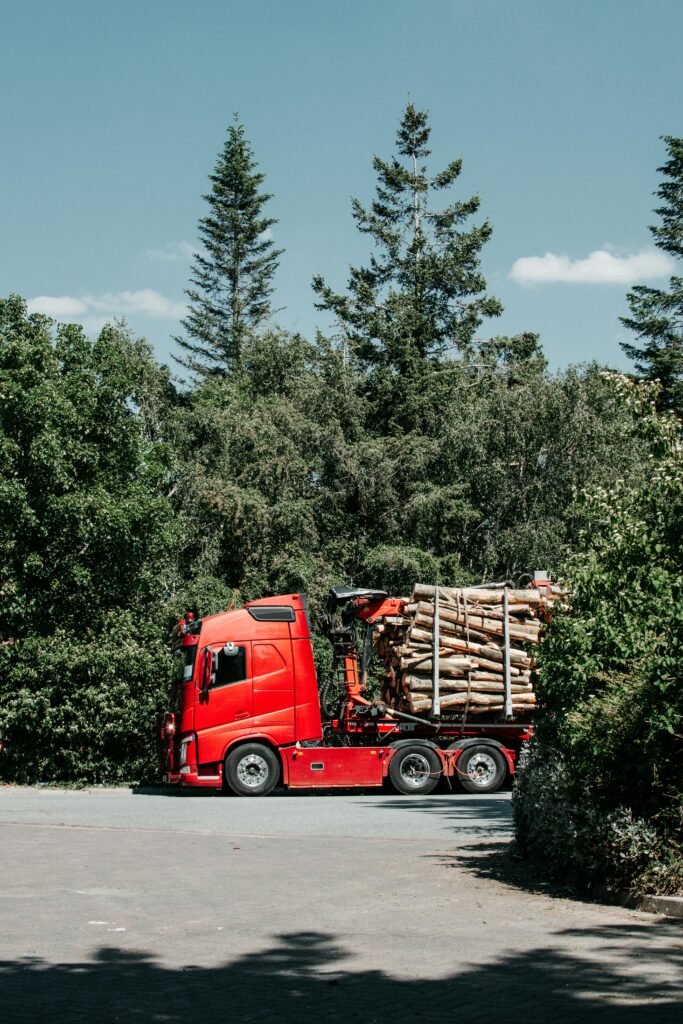
Road freight is the primary mode underpinning enterprise logistics. Highways link plants, regional hubs, and consumption centers such as São Paulo and Rio de Janeiro. Enterprises use a mix of dedicated contracts with large fleets, third-party logistics providers, and vetted independent carriers to ensure continuous capacity.
Long-haul routes connect production in Minas Gerais and Paraná with distribution nodes near major urban markets, enabling steady replenishment for retail, wholesale, and B2B channels.
Distribution Centers and Network Positioning
Strategically placed distribution centers (DCs) are central to enterprise logistics performance. Enterprises position DCs near major highways to reduce transit time and buffer variability. These facilities typically include:
- High-throughput loading bays for rapid turnaround
- Warehouse Management Systems (WMS) for inventory accuracy
- Cold storage for perishables and pharmaceuticals
- Cross-docking zones for time-sensitive freight
- Security and compliance controls for high-value goods
Regional DCs feed city depots and last-mile routes, creating a tiered distribution model that improves service levels.
Port Connectivity and Export Synchronization
Export-oriented enterprises tightly synchronize trucking schedules with port operations. The Port of Santos is a primary gateway for containerized and bulk exports, supported by daily truck flows from multiple states.
Other key maritime links in enterprise logistics plans include:
- Port of Paranaguá
- Port of Rio Grande
- Port of Itaqui
Precise timing is essential to meet vessel cut-offs and avoid demurrage, making visibility and coordination critical.
Technology Stack for Enterprise Control
Enterprises rely on integrated digital systems to manage complexity at scale:
- Transportation Management Systems (TMS) for routing and carrier control
- Warehouse Management Systems (WMS) for stock accuracy
- Electronic documents (CT-e, MDF-e) for compliance
- GPS tracking and telematics for real-time visibility
- Analytics dashboards for forecasting and performance metrics
These tools allow logistics teams to monitor exceptions, predict delays, and optimize routes continuously.
Carrier Ecosystem: Fleets and Caminhoneiros
Brazil’s logistics landscape includes both large fleet operators and autonomous drivers (caminhoneiros). Enterprises typically secure baseline capacity through long-term fleet contracts while using logistics partners to source independent carriers during seasonal peaks.
This hybrid carrier model provides resilience during harvest seasons and promotional retail cycles when demand spikes sharply.
Urban Distribution and Last-Mile Precision
In metropolitan regions such as Belo Horizonte and Curitiba, enterprise logistics emphasizes last-mile precision. Smaller vehicles dispatch from urban depots to stores, clinics, offices, and residential customers.
E-commerce growth has intensified the need for accurate time windows, route optimization, and rapid returns handling within city limits.
Compliance Across States
Brazil’s interstate tax rules and transport documentation requirements add complexity to enterprise logistics. Each shipment must carry correct electronic invoices and manifests to pass checkpoints without delays.
Enterprises invest in compliance teams and automated documentation workflows to minimize risk and administrative overhead.
Operational Challenges and Mitigation
Enterprise logistics teams address recurring challenges with structured strategies:
- Road variability – buffer times and alternate routing
- Urban and port congestion – off-peak scheduling and staging yards
- Fuel price volatility – contract indexing and efficiency programs
- Cargo security – insured routes, tracking, and escorts where needed
- Seasonal surges – flexible carrier sourcing and pre-booking capacity
Proactive planning and data visibility are key to maintaining service levels.
Multimodal Integration for Cost Efficiency
Enterprises increasingly combine road freight with rail and waterways. Trucks handle first-mile pickup and last-mile delivery to intermodal terminals, reducing long road hauls and improving cost efficiency for bulk flows.
Investments in logistics parks and intermodal hubs are accelerating this shift toward balanced modal usage.
Sustainability and Fleet Modernization
Sustainability goals are shaping enterprise logistics decisions. Companies promote:
- Fuel-efficient vehicles and preventive maintenance
- Route optimization to reduce emissions
- Pilot use of electric or alternative-fuel vehicles in cities
- Packaging and load optimization to reduce trips
These measures lower operating costs while meeting environmental targets.
Economic and Strategic Impact
Enterprise logistics directly affects product availability, pricing, and customer experience. Efficient networks support exports, stabilize domestic supply, and create employment for drivers, warehouse teams, planners, and analysts.
For large organizations, logistics performance is a competitive differentiator in Brazil’s demanding market conditions.
The Road Ahead
Highway concessions, digital freight marketplaces, warehouse automation, and analytics-driven planning are redefining enterprise logistics. As visibility improves and multimodal options expand, enterprises can reduce lead times and improve reliability across regions.
Continuous modernization will enable faster, greener, and more resilient logistics networks nationwide.
Enterprise logistics in Brazil is an integrated, technology-enabled system that coordinates transport, storage, compliance, and analytics across vast distances. By aligning carriers, distribution centers, ports, and digital tools, enterprises ensure goods move efficiently from suppliers to customers and global markets.
As infrastructure, technology, and sustainability initiatives advance, enterprise logistics will remain central to Brazil’s economic performance and the success of organizations operating at national scale.