
Commercial freight in Brazil is the lifeblood of a vast economy where farms, factories, warehouses, retailers, and ports are often separated by hundreds or even thousands of kilometers. Moving goods efficiently across this continental landscape requires a freight system that is flexible, resilient, and deeply integrated with national infrastructure. As a result, Brazil’s commercial freight ecosystem has evolved into a predominantly road-based network supported by ports, warehouses, digital platforms, and specialized carriers.
From agricultural commodities and industrial equipment to retail inventory and temperature-sensitive pharmaceuticals, commercial freight services ensure that products reach their destinations on time and in optimal condition.
Road Freight as the Dominant Mode
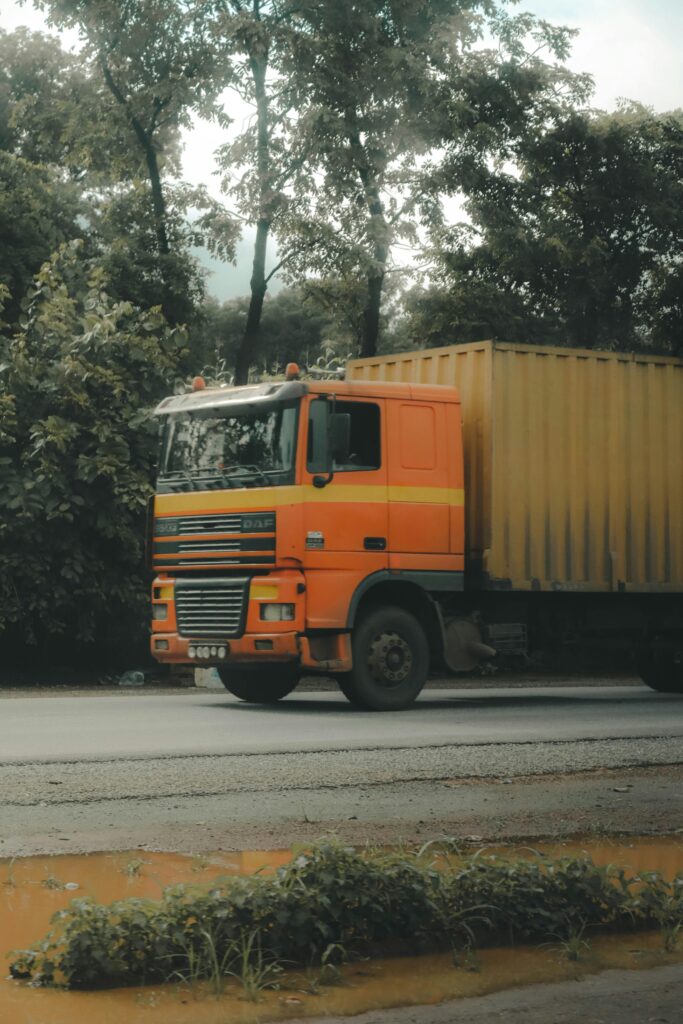
In Brazil, trucks carry the majority of commercial cargo due to their ability to provide door-to-door service across varied terrains. Major federal corridors such as BR-116 connect industrial centers, distribution hubs, and consumer markets, allowing seamless movement without modal transfers.
This dominance of road freight enables:
- Direct pickups from production sites
- Flexible routing based on demand
- Faster response to urgent shipments
- Accessibility to remote and rural regions
For commercial enterprises, this flexibility translates into reliable supply chain continuity.
Link Between Inland Freight and Maritime Trade
A significant share of Brazil’s commercial freight ultimately feeds export and import operations. The Port of Santos serves as the country’s principal maritime gateway, where thousands of trucks deliver containers and bulk cargo daily.
Freight operators coordinate tightly with port terminals through:
- Pre-scheduled gate entries
- Container drayage operations
- Cargo staging and buffer warehousing
- Digital documentation for faster clearance
This integration minimizes congestion and ensures vessels are loaded on schedule.
Regulatory Structure and Compliance
The commercial freight market operates under the oversight of the Agência Nacional de Transportes Terrestres (ANTT). The agency mandates electronic documentation such as CT-e and MDF-e, ensuring traceability, tax compliance, and shipment transparency across states.
For freight companies and shippers, this means:
- Reduced paperwork and manual errors
- Faster billing cycles
- Improved audit readiness
- Standardized safety and insurance practices
Digital compliance has become a cornerstone of freight operations.
Diversity of Cargo Types
Commercial freight in Brazil spans a wide spectrum of cargo categories:
- Agricultural products like soybeans, corn, and sugar
- Mining outputs and minerals
- Industrial machinery and automotive parts
- Retail goods and consumer electronics
- Refrigerated food and pharmaceuticals
- Fuels distributed from refineries operated by Petrobras
- Construction materials and chemicals
This diversity has led to specialized fleets including refrigerated trucks, tankers, container carriers, and heavy-haul trailers.
Role of Freight Brokers and 3PL Providers
Freight brokers and third-party logistics (3PL) providers are central to commercial freight coordination. They bridge the gap between shippers and carriers by offering:
- Freight consolidation for cost savings
- Carrier selection and performance tracking
- Real-time shipment monitoring
- Documentation and compliance management
- Multimodal transport planning
Businesses benefit from professional logistics management without investing in their own transport infrastructure.
Warehousing as a Freight Enabler
Strategically located warehouses enhance freight efficiency by acting as distribution buffers. Positioned near highways and urban centers, these facilities support:
- Cross-docking for quick transfers
- Inventory staging for retailers and exporters
- Cold storage for perishables
- Automated handling systems for high-volume goods
The synergy between warehousing and freight reduces transit times and improves delivery reliability.
Technology and Digital Freight Management
Digital transformation has significantly improved commercial freight operations in Brazil. Companies use:
- GPS tracking and telematics for fleet visibility
- Transport management systems (TMS) for route planning
- Freight marketplaces for instant booking
- Electronic proof of delivery
- Data analytics for performance optimization
These tools increase transparency and allow faster decision-making across supply chains.
Security Measures and Risk Mitigation
Cargo security is a priority in certain regions. Freight companies mitigate risks through:
- GPS-enabled geofencing and alerts
- Secure rest stops and monitored parking
- Cargo insurance integration
- Driver training and verification
- Route risk assessment planning
These practices protect goods and maintain service reliability for commercial clients.
Urban Freight and Last-Mile Challenges
Delivering freight within large cities requires tailored solutions due to congestion and access restrictions. Operators use:
- Smaller vehicles for city deliveries
- Night-time or off-peak scheduling
- Urban cross-docking hubs
- Smart routing based on traffic patterns
This ensures timely deliveries to retailers, hospitals, workshops, and offices.
Multimodal Freight Opportunities
While roads dominate, multimodal freight is gaining traction. Rail and coastal shipping handle long-haul bulk movements, while trucks manage first and last miles. This reduces costs and environmental impact while retaining flexibility.
Containers moved by rail to inland terminals are distributed regionally by trucks, creating an efficient hybrid model.
Sustainability in Commercial Freight
Environmental concerns are shaping freight strategies. Companies increasingly adopt:
- Biodiesel and ethanol fuel blends
- Fuel-efficient fleet upgrades
- Electric vehicles for short routes
- Carbon emission monitoring
- Eco-driving training programs
Sustainable freight practices are becoming a competitive advantage in commercial contracts.
Economic Importance of Commercial Freight
Efficient freight movement directly influences:
- Retail product availability
- Food price stability
- Industrial productivity
- Export competitiveness
- Employment across logistics sectors
Any disruption in freight operations can quickly affect markets nationwide, highlighting its economic significance.
Emerging Trends in Freight Operations
The future of commercial freight in Brazil includes:
- AI-driven route and demand forecasting
- Smart toll systems and connected highways
- Increased warehouse automation
- Broader adoption of digital freight ecosystems
- Greater integration between ports, rail, and road
These advancements will enhance speed, reliability, and cost control.
Commercial freight in Brazil is a sophisticated, road-led system supported by port connectivity, warehousing networks, digital tools, and regulatory oversight. It enables the seamless flow of goods across vast distances, supporting industries, retailers, exporters, and consumers alike.
As infrastructure improves and technology adoption accelerates, Brazil’s commercial freight sector will continue to evolve—delivering faster, safer, and more sustainable logistics solutions that power the nation’s trade and industry.