
Brazil’s trucking logistics network is the backbone of the nation’s economy, carrying the majority of domestic cargo across vast and diverse geography. From the dense industrial corridors of São Paulo to the agricultural frontiers of Mato Grosso and the busy export terminals at the Port of Santos, road freight connects production, consumption, and global trade. With more than 1.7 million kilometers of roads and highways, trucking plays a dominant role in moving goods such as soybeans, corn, coffee, meat, minerals, industrial equipment, consumer products, and fuel across the country.
Unlike many nations that rely heavily on rail or inland waterways, Brazil’s logistics ecosystem is primarily road-dependent. This reliance has shaped a robust, complex trucking network that supports intercity, interstate, and international freight movement, making it essential for economic continuity and trade competitiveness.
The Structure of Brazil’s Trucking Network
Brazil’s trucking logistics network is built around federal highways (BR routes), state highways, private concession roads, logistics hubs, freight terminals, and thousands of independent transport operators. Major highways such as BR-116, BR-101, and BR-163 serve as critical freight corridors connecting production zones with consumption centers and export ports.
Key freight corridors include:
- Agricultural corridors linking farms in Mato Grosso and Goiás to export gateways
- Industrial corridors connecting factories in São Paulo, Minas Gerais, and Paraná
- Coastal routes running along the Atlantic seaboard for port connectivity
- Cross-border routes to Argentina, Paraguay, Uruguay, and Bolivia
These corridors support long-haul, medium-haul, and last-mile trucking operations, creating an integrated logistics web that covers urban and rural regions alike.
Role of Independent Truckers and Fleet Operators
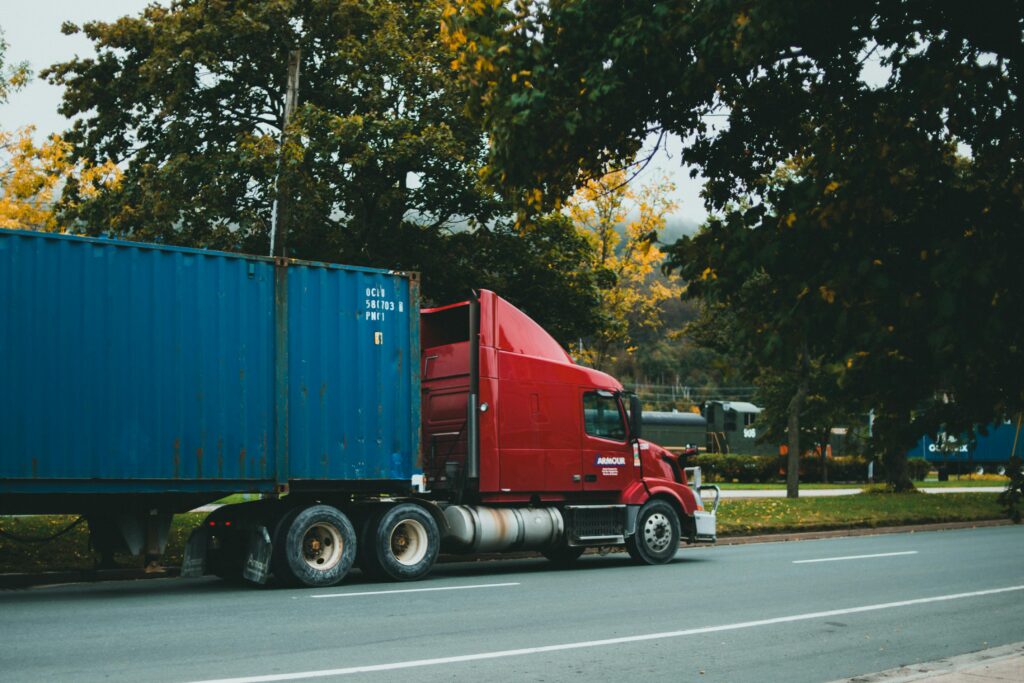
A unique characteristic of Brazil’s trucking logistics network is the large number of autonomous truck drivers (known locally as “caminhoneiros”). Independent truckers make up a significant portion of the fleet, operating as subcontractors for logistics companies, brokers, and shippers. This decentralized model allows flexibility and scalability, especially during peak agricultural seasons.
Alongside independents, large fleet operators and third-party logistics providers manage thousands of vehicles equipped with modern tracking, telematics, and fleet management systems. These companies handle dedicated routes, high-value cargo, temperature-controlled goods, and time-sensitive deliveries.
The coexistence of small operators and large fleets creates a dynamic, competitive market that ensures cargo capacity is available across regions.
Integration with Ports and Export Infrastructure
Brazil is one of the world’s largest exporters of agricultural and mineral commodities. The trucking network is directly linked to major ports, especially the Port of Santos, which handles a significant share of Brazil’s containerized and bulk exports.
Other key export gateways connected by trucking routes include:
- Port of Paranaguá
- Port of Rio Grande
- Port of Itaqui
Trucks transport soybeans, corn, sugar, meat, and iron ore from inland regions to these ports. During harvest seasons, thousands of trucks travel daily on key highways like BR-163, forming vital export arteries.
Technology and Digital Transformation
Brazil’s trucking logistics network is undergoing rapid digital transformation. Fleet operators and brokers are adopting technologies such as:
- GPS vehicle tracking and route optimization
- Electronic freight documents (CT-e and MDF-e)
- Digital freight marketplaces connecting shippers with drivers
- Telematics for fuel efficiency and driver behavior monitoring
- Real-time cargo visibility platforms
These advancements improve transparency, reduce empty return trips, enhance safety, and optimize delivery timelines. Digital freight platforms have particularly empowered independent truckers by providing consistent access to loads without traditional intermediaries.
Challenges in the Trucking Logistics Network
Despite its scale and importance, Brazil’s trucking network faces structural and operational challenges:
- Road Conditions – Not all highways are well maintained, particularly in remote regions.
- Congestion – Heavy traffic near ports and urban centers causes delays.
- Fuel Costs – Fluctuating diesel prices impact freight rates.
- Security Risks – Cargo theft in certain corridors requires additional security measures.
- Seasonal Bottlenecks – Harvest seasons create massive demand spikes.
- Regulatory Complexity – Compliance with transport documentation and tax rules adds administrative burden.
Addressing these issues is critical to improving overall logistics efficiency and reducing transportation costs.
Importance for Domestic Distribution
Beyond exports, trucking is essential for domestic commerce. Supermarkets, construction projects, manufacturing plants, fuel stations, and retail chains depend on trucks for daily replenishment. Cities like São Paulo, Rio de Janeiro, and Belo Horizonte rely on continuous truck inflow for food supplies, consumer goods, and industrial materials.
Last-mile trucking networks distribute products from regional distribution centers to smaller towns and neighborhoods, ensuring economic inclusion across the country.
Multimodal Potential and Future Development
While road transport dominates, there is growing emphasis on integrating trucking with rail and waterways to create multimodal logistics solutions. Trucks are increasingly used for first-mile and last-mile connectivity to rail terminals and river ports, reducing long-haul road pressure.
Government concessions, private investments, and infrastructure projects aim to modernize highways, expand paved routes, and improve logistics parks. These initiatives are expected to enhance reliability and reduce transit times.
Environmental and Sustainability Considerations
Sustainability is becoming a priority in Brazil’s trucking logistics sector. Fleet operators are investing in:
- Fuel-efficient engines
- Route planning to reduce emissions
- Preventive maintenance to lower fuel consumption
- Exploration of alternative fuels and electric trucks in urban deliveries
These efforts align with global environmental goals and improve long-term cost efficiency.
Economic Impact of the Trucking Network
The trucking logistics network supports millions of jobs, including drivers, mechanics, logistics planners, warehouse staff, and freight brokers. It contributes significantly to Brazil’s GDP by enabling trade, industry, and agriculture to function seamlessly.
Without this network, Brazil’s export leadership in soy, coffee, meat, sugar, and minerals would be severely constrained.
Brazil’s trucking logistics network is a vast, dynamic, and indispensable system that underpins the country’s economy. Connecting farms to ports, factories to markets, and cities to rural communities, it ensures that goods move efficiently across thousands of kilometers every day. While challenges such as infrastructure gaps and congestion persist, technological innovation, private investment, and policy reforms are steadily transforming the sector.
As Brazil continues to expand its role in global trade, the trucking network will remain the critical link that keeps the nation’s supply chains moving forward—powering growth, connectivity, and economic resilience across the country.