
Digital freight refers to the use of online platforms, mobile applications, and data-driven systems to manage and coordinate freight transportation. Instead of relying on traditional brokers and manual negotiations, digital freight platforms connect:
- Shippers (companies needing transport services)
- Truck owners and fleet operators
- Independent drivers
- Logistics service providers
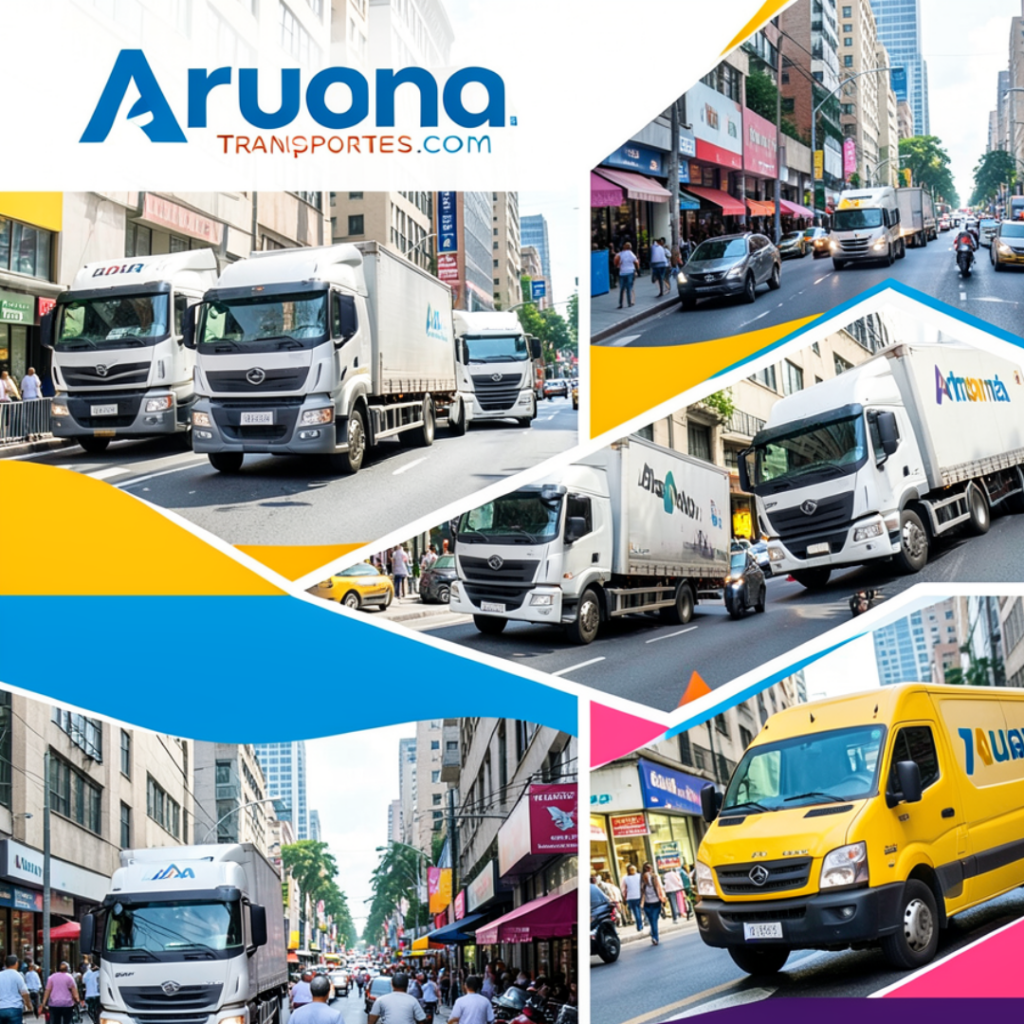
In Brazil, where road transport dominates freight movement, digital freight systems are rapidly becoming essential for modern logistics operations.
Why Digital Freight Is Growing in Brazil
Brazil’s logistics landscape creates the perfect environment for digital freight adoption due to several structural factors.
1. Heavy Dependence on Road Transport
More than half of Brazil’s freight is moved by road. This creates a large, fragmented market that benefits from digital coordination.
2. Large Number of Independent Truckers
Brazil has a significant population of autonomous truck drivers who operate independently. Digital platforms help them find loads more efficiently.
3. Long Distances and Complex Routes
Transporting goods across Brazil often involves thousands of kilometers. Digital tools help optimize these routes.
4. High Logistics Costs
Brazil’s logistics costs are relatively high due to fuel prices, tolls, and inefficiencies. Digital freight reduces wasted capacity and empty return trips.
5. Growth of E-commerce
The rise of online retail has increased demand for fast, flexible, and transparent freight solutions.
How Digital Freight Platforms Work
Digital freight systems in Brazil operate through a structured digital ecosystem that simplifies logistics management.
1. Freight Posting
Shippers post cargo details such as:
- Pickup and delivery locations
- Cargo type and weight
- Delivery deadlines
- Special requirements (refrigeration, security, etc.)
2. Matching System
The platform uses algorithms to match shipments with available trucks based on:
- Route compatibility
- Vehicle type
- Pricing
- Availability
3. Negotiation and Booking
Drivers or fleet operators can accept, bid, or negotiate freight rates directly through the platform.
4. Tracking and Monitoring
Once the shipment is assigned, digital systems provide:
- Real-time GPS tracking
- Estimated delivery times
- Route updates
- Alerts for delays or issues
5. Payment Processing
After delivery, payments are processed digitally, reducing delays and administrative complexity.
Key Benefits of Digital Freight in Brazil
1. Reduced Empty Truck Trips
One of the biggest inefficiencies in traditional logistics is empty return trips. Digital freight platforms match return loads, improving utilization rates.
2. Lower Transportation Costs
By removing intermediaries and improving load matching, digital freight reduces:
- Brokerage fees
- Idle time
- Fuel waste
This makes road logistics more cost-efficient.
3. Faster Load Matching
Instead of relying on phone calls or brokers, shippers can find available trucks instantly.
4. Improved Transparency
Digital platforms provide visibility into:
- Freight pricing
- Driver performance
- Shipment status
This builds trust between shippers and carriers.
5. Better Access for Small Truck Owners
Independent drivers gain access to a larger market, allowing them to:
- Find consistent work
- Compare freight offers
- Reduce downtime
Role of Digital Freight in Brazilian Road Logistics
Digital freight is transforming several key areas of Brazil’s logistics ecosystem.
Agricultural Supply Chains
Farmers and agribusiness companies use digital freight platforms to transport:
- Soybeans
- Corn
- Coffee
- Meat products
These platforms help coordinate seasonal demand surges during harvest periods.
Industrial Distribution
Manufacturers use digital freight to move:
- Raw materials
- Machine parts
- Finished goods
This improves supply chain reliability.
Retail and E-commerce Delivery
Retailers rely on digital freight systems for:
- Regional distribution
- Warehouse transfers
- Last-mile logistics support
The rise of e-commerce has accelerated adoption significantly.
Challenges of Digital Freight in Brazil
Despite its advantages, digital freight in Brazil faces several challenges.
1. Connectivity Gaps
Some rural regions still have limited internet connectivity, making digital platform usage difficult.
2. Fragmented Market
The logistics industry includes many small operators who may be slow to adopt new technology.
3. Trust and Verification Issues
Ensuring reliability of drivers and shippers is critical. Platforms must implement strong verification systems.
4. Regulatory Complexity
Transport regulations in Brazil require compliance with:
- Freight documentation
- Driver labor laws
- Vehicle standards
Digital platforms must integrate these requirements.
5. Cybersecurity Risks
As logistics becomes more digital, protecting sensitive data becomes increasingly important.
Technology Driving Digital Freight Growth
Several technologies are powering the expansion of digital freight in Brazil.
1. Artificial Intelligence
AI is used to:
- Match loads with trucks
- Predict demand
- Optimize pricing
2. GPS and Telematics
Real-time tracking enables:
- Route optimization
- Delivery monitoring
- Security improvements
3. Big Data Analytics
Data analysis helps companies:
- Identify inefficiencies
- Improve route planning
- Reduce operational costs
4. Mobile Applications
Smartphone apps allow drivers to:
- Accept freight offers
- Navigate routes
- Update delivery status
5. Cloud-Based Logistics Systems
Cloud platforms enable seamless communication between all stakeholders in the supply chain.
Impact on Brazil’s Transport Economy
Digital freight is reshaping Brazil’s road transport economy in several ways:
- Increasing competition among carriers
- Reducing dependency on traditional brokers
- Improving pricing transparency
- Enhancing fleet utilization rates
- Supporting small and medium logistics operators
This transformation is making the logistics sector more efficient and data-driven.
Role in Reducing Logistics Inefficiency
Brazil has historically faced high logistics inefficiencies due to:
- Long distances
- Poor infrastructure in some regions
- Lack of coordination between carriers
Digital freight helps address these issues by creating a more connected and responsive logistics network.
Sustainability Benefits of Digital Freight
Digital freight also contributes to environmental sustainability by:
- Reducing empty truck mileage
- Optimizing fuel consumption
- Improving route efficiency
- Lowering carbon emissions
As sustainability becomes more important globally, digital freight will play a key role in greener logistics practices.
Future of Digital Freight in Brazil
The future of digital freight in Brazil is expected to evolve rapidly.
1. Full Industry Digitalization
More logistics companies will move toward fully digital freight management systems.
2. Integration with Smart Cities
Urban logistics will become more connected with smart city infrastructure.
3. Expansion of AI-Driven Logistics
Artificial intelligence will increasingly manage pricing, routing, and fleet allocation.
4. Growth of Autonomous Logistics
While still emerging, autonomous vehicles may eventually integrate with digital freight systems.
5. Stronger Multimodal Integration
Digital freight platforms will increasingly coordinate road, rail, and port logistics together.
Digital freight in Brazil’s road logistics sector is revolutionizing how goods are transported across one of the largest countries in the world. By connecting shippers and carriers through intelligent platforms, it improves efficiency, reduces costs, and enhances transparency in the supply chain.
Despite challenges such as infrastructure limitations and market fragmentation, digital freight adoption continues to grow rapidly, driven by technology and demand for faster logistics.
As Brazil modernizes its transportation ecosystem, digital freight will remain a key driver of innovation, helping build a more efficient, connected, and competitive logistics industry for the future.