
Road transport companies are the engine of Brazil’s logistics ecosystem. In a country where highways connect farms, factories, ports, warehouses, and megacities across thousands of kilometers, trucking firms ensure the uninterrupted flow of goods that sustain commerce and daily life. From agricultural commodities and industrial inputs to retail products and e-commerce parcels, road carriers handle the majority of domestic freight movement.
Because rail and inland waterways do not yet cover the entire territory with the flexibility businesses require, road transport companies provide the door-to-door reach, speed, and adaptability that supply chains depend on.
The Regulatory Environment
All professional freight carriers must comply with rules set by the national land transport authority, Agência Nacional de Transportes Terrestres (ANTT). Companies are required to register under RNTRC, maintain compliant vehicles, use electronic freight documentation (CT-e and MDF-e), and ensure drivers meet legal training and rest standards.
This regulatory structure brings uniformity and accountability to a sector that spans millions of kilometers of highways and thousands of operators, from large national fleets to small regional carriers.
Types of Road Transport Companies
Brazil’s road freight market includes a wide range of operators:
- Large national carriers with extensive fleets and cross-country coverage
- Regional transporters focused on specific states or corridors
- Specialized carriers handling refrigerated, hazardous, or oversized cargo
- Urban distribution firms serving last-mile retail and e-commerce deliveries
- Owner-operators and small fleets subcontracted by bigger logistics firms
This diversity allows shippers to choose partners that best match their cargo type, delivery timeline, and budget.
Major Freight Corridors Served
Road transport companies operate heavily along Brazil’s most important economic routes, including:
- The corridor between São Paulo and Santos, connecting industries to the Port of Santos
- Industrial and oil routes around Rio de Janeiro
- Mining lanes near Belo Horizonte in Minas Gerais
- Agribusiness highways from Mato Grosso to export terminals
- Southern manufacturing routes through Curitiba and Rio Grande do Sul
These corridors experience constant truck traffic transporting both domestic and export cargo.
Services Offered by Road Transport Companies
Modern carriers offer more than basic trucking. Services often include:
- Full Truckload (FTL) and Less-than-Truckload (LTL) shipping
- Refrigerated transport for perishable goods
- Hazardous materials transport with certified tankers
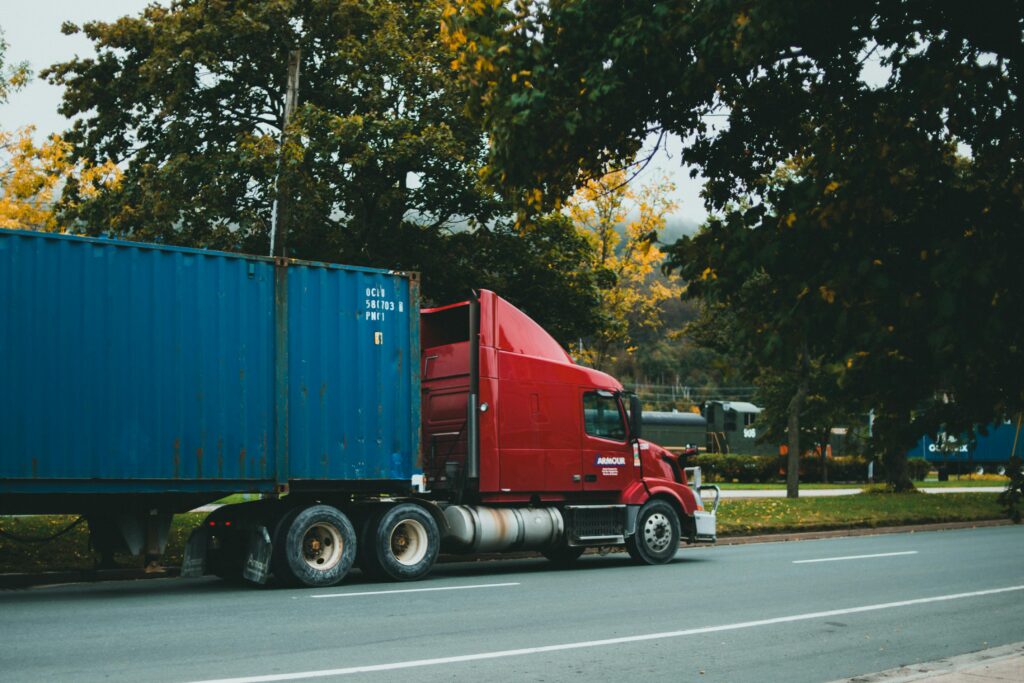
- Container haulage between ports and inland depots
- Express and scheduled deliveries for retail and e-commerce
- Warehousing and cross-docking support
Many companies operate as integrated logistics providers, offering end-to-end solutions rather than standalone transport.
Industries That Rely on Road Carriers
Nearly every sector in Brazil depends on road transport companies:
- Agribusiness for grain, meat, coffee, and sugar exports
- Manufacturing for raw materials and finished goods distribution
- Oil and gas for fuel distribution
- Construction for cement, steel, and heavy equipment
- Retail and e-commerce for urban deliveries
- Healthcare for pharmaceuticals and medical supplies
Without reliable trucking services, these industries would face costly disruptions.
Fleet Composition and Equipment
Road transport fleets vary widely depending on service focus. Common equipment includes:
- Articulated trucks for long-haul heavy loads
- Refrigerated trailers for cold chain logistics
- Flatbeds for machinery and oversized cargo
- Tankers for fuel and chemicals
- Medium trucks and vans for regional and urban deliveries
Fleet modernization is ongoing, with many companies investing in fuel-efficient vehicles and safety technologies.
Technology Adoption and Telematics
Leading road transport companies in Brazil use digital tools to enhance reliability and security:
- GPS tracking and route optimization
- Telematics to monitor driver behavior and fuel use
- Electronic proof of delivery systems
- Geofencing for route compliance in high-risk areas
- Central control towers for real-time fleet monitoring
Technology allows companies to provide shipment visibility and improve operational efficiency.
Safety, Security, and Risk Management
Safety is a priority due to long travel distances and cargo value. Companies implement:
- Strict driver training and rest policies
- Regular vehicle maintenance and inspections
- Cargo securing standards and load checks
- Insurance coverage for goods and third-party liability
- Real-time monitoring to prevent cargo theft
These measures reduce accidents, losses, and delays.
Challenges Faced by Road Transport Companies
Operating in Brazil’s vast territory presents challenges:
- Traffic congestion near large cities
- Road quality variations in remote areas
- High fuel and toll costs
- Cargo theft in certain regions
- Driver shortages during peak demand seasons
Successful companies mitigate these issues through planning, technology, and strong operational discipline.
Integration with Ports and Multimodal Logistics
Road carriers play a vital role in connecting ports, rail terminals, and warehouses. Containers arriving at the Port of Santos are quickly transported inland by truck, while export goods from farms and factories reach ports via highways. This integration ensures seamless multimodal logistics.
Sustainability Initiatives
Environmental awareness is increasing across the sector. Many companies promote:
- Fuel-efficient driving practices
- Newer, lower-emission engines
- Route optimization to reduce empty trips
- Trials of alternative fuels and electric vehicles for city routes
Sustainability efforts often align with cost savings and regulatory incentives.
The Future of Road Transport Companies in Brazil
As demand for faster, more transparent logistics grows, road transport companies will continue to evolve through:
- Greater digital integration and AI-based route planning
- Expansion of logistics hubs near major cities
- Enhanced security technologies
- Closer collaboration with rail and maritime networks
- Investment in greener fleets
The companies that embrace innovation and compliance will lead the next phase of Brazil’s logistics growth.
Road transport companies are indispensable to Brazil’s economy. They connect remote agricultural fields to global markets, factories to retailers, and ports to consumers. Supported by regulation, technology, and skilled professionals, these companies keep goods moving across one of the world’s largest and most diverse countries.
For businesses operating in Brazil, choosing reliable road transport partners is crucial for maintaining supply chain continuity, meeting customer expectations, and staying competitive in an increasingly fast-paced marketplace.