
Local trucking in Brazil plays a decisive role in keeping supply chains fluid inside cities, industrial districts, and port regions. While long-haul transport moves cargo across states, local trucks handle the first-mile pickup from factories and farms and the last-mile delivery to warehouses, retailers, and customers. This short-distance, high-frequency movement is what keeps inventory turning, export containers arriving on time, and imported goods reaching distribution centers without delay.
In a country as large and economically diverse as Brazil, efficient local trucking is essential for retail distribution, industrial supply, eCommerce fulfillment, and port drayage operations.
Why Local Trucking Matters in Brazil
Local trucking is indispensable because it:
- Connects production sites to nearby depots and terminals
- Handles container drayage to and from port gates
- Supports urban retail and wholesale distribution
- Enables time-critical deliveries within metro regions
- Bridges gaps between warehouses, rail yards, airports, and ports
Without reliable local trucking, even the most efficient sea, rail, or long-haul road transport cannot complete the logistics chain.
High-Activity Local Trucking Zones
Local trucking demand is especially intense around Brazil’s largest cities, ports, and industrial belts.
- São Paulo metropolitan region, with dense warehousing, factories, and retail hubs
- Rio de Janeiro for industrial cargo, energy equipment, and consumer distribution
- Curitiba serving automotive and manufacturing clusters
- Itajaí linked to container terminals and export warehouses
- Recife supporting northeastern distribution networks
These urban and port-adjacent areas see constant short-haul truck movements throughout the day.
Port Drayage: A Core Local Trucking Function
One of the most important roles of local trucking is container drayage near ports:
- Moving import containers from terminals to nearby depots
- Delivering export containers from warehouses to port gates before cut-off
- Shuttling empty containers between yards and customer facilities
This activity is especially critical around:
- Port of Santos
- Port of Paranaguá
- Port of Rio de Janeiro
Efficient drayage prevents demurrage fees, port congestion, and shipment delays.
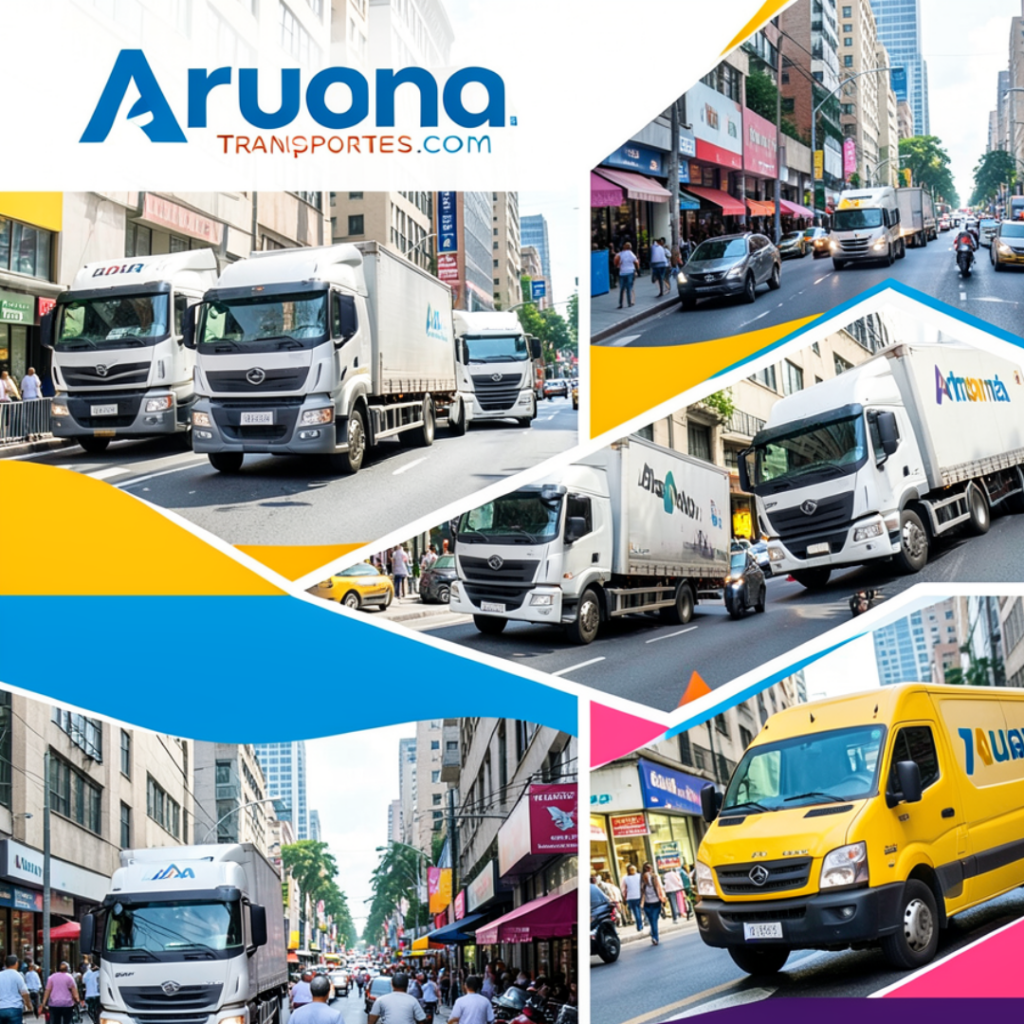
Types of Local Trucking Services
Local carriers offer flexible services tailored for short distances and quick turnaround:
- Same-day pickup and delivery
- Less Than Truck Load (LTL) consolidation for city routes
- Full Truck Load (FTL) for dedicated warehouse transfers
- Refrigerated vans for food and pharmaceuticals
- Small trucks and vans for urban retail distribution
- Container chassis for port drayage
- Flatbeds for machinery and construction materials
These vehicles are optimized for maneuvering in urban traffic and tight loading docks.
Industries That Depend on Local Trucking
Local trucking is essential for:
- Retail chains and supermarkets
- eCommerce fulfillment centers
- Pharmaceutical distributors
- Food and beverage suppliers
- Automotive parts distribution
- Industrial spare parts logistics
- Importers and exporters near ports
Fast, reliable local transport keeps shelves stocked and production lines running.
Technology Enhancing Local Deliveries
Urban trucking operations increasingly rely on technology to handle tight schedules:
- GPS tracking and route optimization to avoid traffic
- Electronic proof of delivery (ePOD)
- Integration with warehouse management systems
- Real-time communication between drivers and dispatch
- Port appointment scheduling systems for drayage
These tools improve punctuality and reduce idle time.
Urban Challenges for Local Trucking
Operating in Brazilian cities presents unique challenges:
- Traffic congestion during peak hours
- Restricted delivery windows in commercial zones
- Limited parking and loading space
- Road restrictions for heavy vehicles in city centers
- Security concerns in certain districts
Experienced local carriers plan routes and timing carefully to overcome these hurdles.
Compliance and Documentation
Even short-haul trucking in Brazil requires proper documentation:
- Electronic transport documents (CT-e)
- Municipal delivery permits in some cities
- Compliance with vehicle weight limits
- Hazardous goods certification where applicable
Professional operators ensure paperwork is correct to avoid fines and delays.
Integration with Warehousing and Distribution Centers
Local trucking is closely tied to warehouse operations. Trucks move goods:
- From ports to bonded and non-bonded warehouses
- Between regional distribution centers
- From warehouses to retail outlets
- From factories to nearby storage hubs
This constant movement keeps inventory flowing smoothly through the supply chain.
Sustainability in Local Trucking
Short-distance trucking is seeing sustainability improvements:
- Adoption of smaller, fuel-efficient vehicles
- Route planning to reduce fuel consumption
- Preventive maintenance to cut emissions
- Growing interest in electric delivery vehicles in large cities
Eco-friendly practices are becoming important for urban logistics.
Choosing a Reliable Local Trucking Partner
When selecting a local trucking provider, businesses should consider:
- Knowledge of city routes and traffic patterns
- Experience with port and warehouse coordination
- Fleet variety for different cargo sizes
- Technology for tracking and communication
- Strong safety and insurance coverage
- Ability to meet tight delivery windows
A capable local partner ensures speed, flexibility, and reliability.
The Future of Local Trucking in Brazil
As eCommerce expands and cities grow, demand for efficient local trucking will rise. Smart city logistics, digital dispatch systems, and cleaner vehicles will shape the future of urban freight. Ports are also improving appointment systems to make drayage faster and more organized.
Local trucking will continue to be the essential first-mile and last-mile solution in Brazil’s logistics ecosystem.
Local trucking in Brazil is the vital connector that completes the supply chain. From port drayage and warehouse transfers to retail deliveries and factory pickups, it ensures goods move quickly within metropolitan and industrial regions.
Supported by experienced carriers, modern technology, and deep knowledge of urban logistics, local trucking enables businesses to maintain timely deliveries, reduce delays, and keep operations running smoothly across Brazil’s busiest cities and port zones.