
Road logistics is the lifeline of inland freight movement in Brazil. While maritime transport connects the country to global markets, trucks move the majority of goods within national borders—linking farms, factories, warehouses, ports, and cities across vast distances. In a country spanning more than 8.5 million square kilometers, road transport is the most flexible, accessible, and widely used logistics mode.
From agricultural regions in the interior to coastal export gateways, road logistics ensures that cargo flows reliably through Brazil’s supply chains. For manufacturers, distributors, retailers, and exporters, understanding Brazil’s road logistics network is essential to planning efficient and cost-effective transportation.
Why Road Logistics Dominates Inland Transport
Brazil relies heavily on trucking for domestic cargo movement due to:
- Extensive highway reach compared to rail coverage
- Door-to-door delivery capability
- Flexibility for different cargo sizes and routes
- Faster deployment without fixed rail schedules
- Accessibility to rural and remote production zones
Agricultural producers, mining companies, manufacturers, and e-commerce distributors all depend on road freight to move goods between production sites, storage facilities, ports, and final customers.
The National Highway Backbone
Brazil’s road logistics system is anchored by a network of federal and state highways that connect economic regions to ports and urban centers.
BR-116 Highway
One of the longest highways in the country, running north to south and linking major cities. It is a critical corridor for industrial and commercial cargo.
BR-101 Highway
This coastal highway connects several port cities and supports container movement between terminals and inland markets.
BR-381 Highway
A vital route for industrial freight, linking mining and manufacturing zones to export hubs.
These highways form the structural framework that allows trucks to move cargo efficiently across long distances.
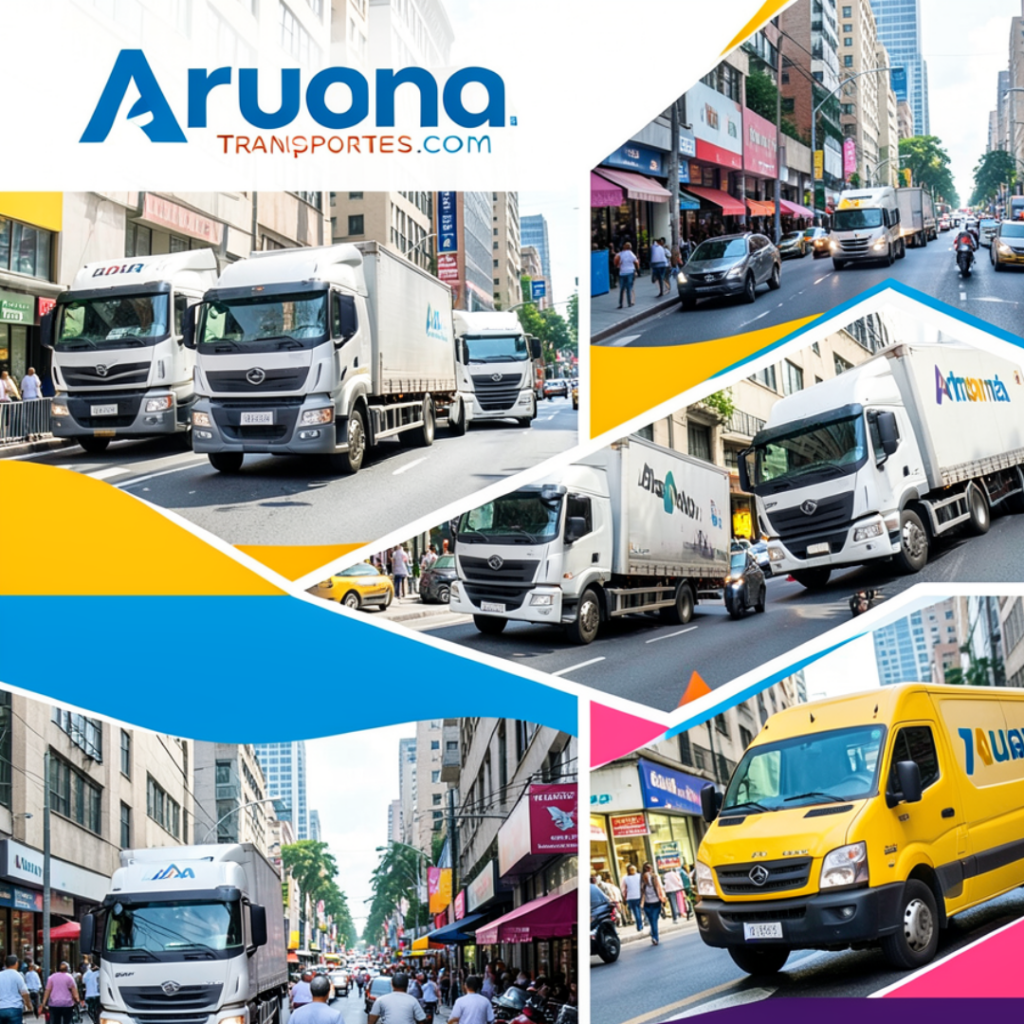
Connection Between Roads and Ports
Road logistics is deeply integrated with Brazil’s seaports. Trucks carry export cargo from inland regions to maritime gateways and distribute imported goods from ports to warehouses and markets.
Key ports connected through road freight include:
- Port of Santos – Primary hub for container and agricultural exports
- Port of Paranaguá – Major grain export port
- Port of Rio de Janeiro – Industrial and container cargo gateway
Efficient road connectivity to these ports is crucial to avoid delays, demurrage charges, and supply-chain disruptions.
Types of Cargo Moved by Road
Brazil’s trucking industry handles diverse cargo categories:
- Agricultural produce (soybeans, corn, sugarcane, coffee)
- Refrigerated goods (meat, poultry, dairy, fruits)
- Industrial machinery and equipment
- Consumer goods and retail inventory
- Construction materials and steel
- Fuel, chemicals, and hazardous materials
Specialized trailers, refrigerated trucks, tankers, and flatbeds are used depending on cargo requirements.
Role of Trucking Companies and Fleet Operators
Road logistics in Brazil is powered by thousands of trucking companies, from small fleet owners to large logistics corporations. These operators provide:
- Full truckload (FTL) and less-than-truckload (LTL) services
- Dedicated contract transport for manufacturers
- Temperature-controlled transportation
- Time-critical express deliveries
- Intermodal transport linking road, rail, and sea
Large operators invest in fleet tracking, fuel efficiency, and driver training to improve reliability and safety.
Warehousing and Distribution Centers
Strategically located warehouses near highways and urban areas support efficient road logistics. Goods are often stored, sorted, and redistributed before final delivery. Distribution centers near São Paulo, Curitiba, and Rio de Janeiro act as central hubs for national road freight operations.
Cross-docking practices are also common, where goods move directly from inbound trucks to outbound vehicles, reducing storage time and speeding up delivery.
Technology in Road Logistics
Digital transformation is improving road freight management across Brazil. Companies now use:
- GPS fleet tracking systems
- Route optimization software
- Electronic proof of delivery (ePOD)
- Automated freight scheduling platforms
- Fuel monitoring and telematics
These technologies increase transparency, reduce delays, and improve cost control.
Challenges in Brazil’s Road Logistics
Despite its reach, road logistics in Brazil faces several challenges:
Infrastructure Quality Variability
While major highways are well maintained, some regional roads require upgrades, affecting transit times and vehicle wear.
Traffic Congestion Near Ports and Cities
Heavy vehicle traffic around ports and metropolitan regions can cause delivery delays, especially during peak hours.
Fuel Costs and Toll Charges
Long distances, fuel price fluctuations, and highway tolls add to transportation expenses.
Safety and Security Concerns
Cargo theft in certain regions necessitates secure transport practices, insurance coverage, and route planning.
Logistics planners mitigate these issues through careful scheduling, technology use, and experienced drivers.
Sustainability in Road Freight
Sustainability is gaining importance in Brazil’s trucking sector. Companies are adopting:
- Fuel-efficient vehicles
- Route optimization to reduce emissions
- Alternative fuels and electric truck trials
- Paperless documentation systems
These steps align with global efforts to make logistics more environmentally responsible.
Importance for Businesses and Supply Chains
Efficient road logistics provides businesses with:
- Reliable door-to-door delivery
- Flexible shipment sizes and schedules
- Direct access to rural production areas
- Seamless connection to ports and airports
- Faster domestic distribution for retail and e-commerce
For exporters, road transport ensures goods reach ports on time for vessel departures. For importers, it enables rapid distribution from ports to inland markets.
The Future of Road Logistics in Brazil
Investments in highway modernization, smart toll systems, and digital freight platforms are expected to enhance efficiency. Public-private partnerships are also improving road quality and expanding capacity.
Integration with rail and maritime transport will create stronger multimodal logistics networks, reducing pressure on highways while maintaining flexibility.
Road logistics is the foundation of Brazil’s inland freight system. By connecting production zones, ports, warehouses, and markets, trucking enables the seamless flow of goods across one of the world’s largest countries. Despite challenges related to infrastructure and congestion, ongoing modernization and technology adoption are strengthening the sector.
For businesses operating in Brazil, mastering road logistics is essential for timely deliveries, cost control, and supply-chain success. As the country continues to expand its trade and industrial capabilities, road freight will remain a critical driver of economic movement and logistics efficiency.