
Hazardous sea cargo refers to goods that pose risks to people, property, or the environment during transportation. In Brazil, the movement of hazardous materials by sea is a highly regulated and carefully managed process, especially given the country’s strong industrial base and active international trade routes.
From chemicals and petroleum products to industrial gases and flammable materials, Brazil handles large volumes of hazardous cargo through its major ports, including Port of Santos, one of the busiest maritime hubs in Latin America.
What Is Hazardous Sea Cargo?
Hazardous sea cargo includes any material that can be dangerous during handling, storage, or transportation. These goods are classified based on international safety standards.
Common categories include:
- Flammable liquids (petroleum, solvents)
- Flammable solids (chemicals, powders)
- Toxic substances
- Corrosive materials (acids, industrial chemicals)
- Compressed gases
- Explosives (restricted and highly regulated)
- Radioactive materials (rare and tightly controlled)
These materials require specialized packaging, labeling, and handling procedures.
Importance of Hazardous Cargo Management in Brazil
Brazil is a major industrial and energy-producing country. It imports and exports large quantities of chemicals, fuels, and industrial materials.
Hazardous cargo management is important because:
- It ensures safety of port workers and shipping crews
- It protects the environment from spills or leaks
- It supports industrial and energy sectors
- It ensures compliance with international regulations
- It enables safe global trade of essential materials
Without strict management, hazardous cargo could pose serious risks to public safety and ecosystems.
Key Ports Handling Hazardous Cargo
Brazil has several major ports equipped to handle dangerous goods:
Port of Santos
The largest port in Brazil, handling significant volumes of chemicals, fuels, and industrial goods under strict safety protocols.
Port of Rio de Janeiro
A key hub for petroleum products and offshore energy logistics.
Port of Paranaguá
Handles agricultural chemicals and industrial inputs for Brazil’s farming sector.
Port of Suape
An important industrial port with petrochemical and energy-related cargo operations.
These ports are equipped with specialized storage areas and safety systems.
Classification of Hazardous Materials
Hazardous cargo is classified according to the International Maritime Dangerous Goods (IMDG) Code:
Class 1: Explosives
Includes materials like fireworks and industrial explosives (highly restricted).
Class 2: Gases
Compressed, liquefied, or dissolved gases such as propane and oxygen.
Class 3: Flammable Liquids
Includes petroleum, gasoline, and industrial solvents.
Class 4: Flammable Solids
Materials that can ignite easily under certain conditions.
Class 5: Oxidizing Substances
Chemicals that can cause or enhance combustion.
Class 6: Toxic and Infectious Substances
Includes poisonous chemicals and biological materials.
Class 7: Radioactive Materials
Used mainly in medical and industrial applications.
Class 8: Corrosives
Acids and substances that can damage metals and living tissue.
Class 9: Miscellaneous Dangerous Goods
Other hazardous materials not covered in previous categories.
How Hazardous Sea Cargo Is Transported
Transporting hazardous cargo involves strict procedures:
1. Risk Assessment
Before shipping, the cargo is evaluated for risk level and compliance requirements.
2. Specialized Packaging
Goods are packed in approved containers designed to prevent leaks, spills, or reactions.
3. Labeling and Documentation
All hazardous cargo must be clearly labeled with warning symbols and handling instructions.
4. Inland Transport
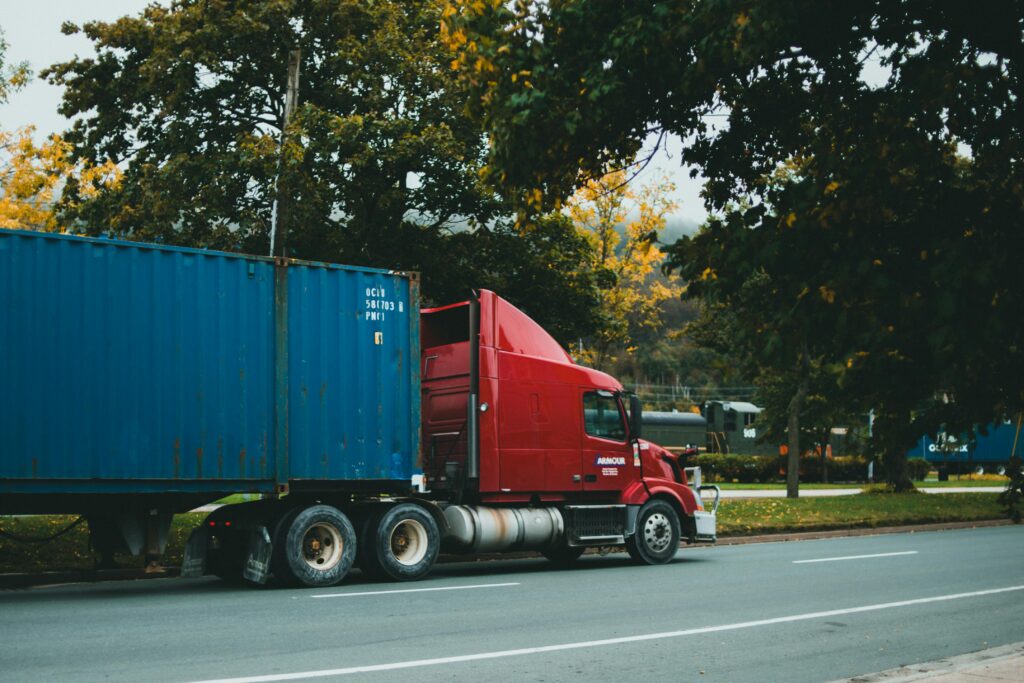
Specialized trucks transport hazardous materials from factories to ports under safety regulations.
5. Port Handling
Cargo is stored in designated hazardous zones within ports.
6. Ocean Transport
Ships carrying hazardous goods must comply with international safety standards and segregation rules.
7. Emergency Preparedness
Vessels carry safety equipment and follow emergency protocols during transit.
Regulations Governing Hazardous Cargo in Brazil
Brazil follows strict national and international regulations for hazardous cargo:
- International Maritime Dangerous Goods (IMDG) Code
- Brazilian National Maritime Authority regulations
- Environmental protection laws
- Customs and import/export regulations
These regulations ensure safe handling and minimize risks during transportation.
Technology in Hazardous Cargo Management
Modern technology plays a critical role in improving safety:
- Digital tracking systems for real-time monitoring
- Automated hazard classification tools
- Smart sensors for detecting leaks or temperature changes
- AI-based risk assessment systems
- Electronic documentation platforms
These technologies reduce human error and improve response times.
Safety Measures in Ports
Ports handling hazardous cargo implement strict safety measures:
- Dedicated storage zones for dangerous goods
- Fire suppression systems
- Spill containment infrastructure
- Trained emergency response teams
- Restricted access areas
These systems ensure safe handling of high-risk materials.
Challenges in Hazardous Cargo Shipping
Despite strong regulations, several challenges exist:
1. High Safety Risks
Accidents involving hazardous materials can have severe consequences.
2. Complex Regulations
Compliance with international and Brazilian laws can be complex.
3. High Costs
Specialized handling and equipment increase logistics costs.
4. Infrastructure Requirements
Not all ports are fully equipped for all types of hazardous cargo.
5. Environmental Concerns
Spills or leaks can have long-term environmental impacts.
Industries That Depend on Hazardous Cargo Shipping
Several industries in Brazil rely on hazardous cargo logistics:
- Oil and gas industry
- Chemical manufacturing
- Mining and metallurgy
- Agriculture (fertilizers and pesticides)
- Pharmaceuticals
These industries are essential to Brazil’s economic growth.
Environmental and Safety Importance
Proper handling of hazardous cargo is crucial for:
- Protecting marine ecosystems
- Preventing industrial accidents
- Reducing pollution risks
- Ensuring worker safety
- Maintaining global trade trust
Environmental protection is a major priority in modern logistics operations.
Role of Training and Expertise
Handling hazardous cargo requires highly trained professionals:
- Certified shipping agents
- Hazardous material handlers
- Port safety officers
- Logistics coordinators
Training ensures compliance and reduces operational risks.
Future of Hazardous Cargo Shipping in Brazil
The future of hazardous cargo logistics in Brazil is shaped by innovation and safety improvements:
- Increased automation in port operations
- AI-based risk prediction systems
- Advanced monitoring sensors
- Stronger environmental regulations
- Improved emergency response systems
These developments will make hazardous cargo transport safer and more efficient.
Hazardous sea cargo management in Brazil is a highly specialized and strictly regulated part of the maritime logistics industry. With major ports like Port of Santos playing a central role, Brazil ensures safe and efficient handling of dangerous goods essential for global trade.
Through strict regulations, advanced technology, and trained professionals, Brazil continues to maintain high safety standards while supporting industries such as energy, chemicals, and manufacturing.
As global trade expands, hazardous cargo logistics will remain a critical component of Brazil’s maritime economy—balancing economic growth with environmental protection and safety.