
River freight forwarding in Brazil is a specialized logistics service that manages the planning, coordination, and movement of cargo through the country’s extensive river networks. With vast inland regions and limited infrastructure in many areas, river freight forwarding plays a crucial role in connecting agricultural zones, industrial centers, and remote communities to domestic markets and international export routes.
As Brazil continues to expand its role as a global supplier of commodities, river freight forwarding is becoming an increasingly important part of the national logistics ecosystem.
Importance of River Freight Forwarding in Brazil
Brazil is one of the largest countries in the world, with production hubs often located far from coastal ports. In many regions, especially in the Amazon Basin and central-west agricultural zones, river transport is the most practical and cost-effective option.
River freight forwarding provides:
- Efficient coordination of inland waterway shipments
- Cost-effective transport for bulk commodities
- Access to remote and underserved regions
- Reduced reliance on road infrastructure
- Environmentally sustainable logistics solutions
By managing the entire freight process, forwarding companies ensure smooth cargo movement from origin to destination.
Role of River Freight Forwarders
River freight forwarders act as logistics coordinators who organize the movement of goods across river systems. Their responsibilities include:
- Planning transportation routes
- Booking barge and vessel capacity
- Coordinating with port and terminal operators
- Handling documentation and customs procedures
- Managing cargo consolidation and distribution
- Ensuring compliance with transport regulations
They serve as intermediaries between shippers, transport operators, and final destinations, ensuring efficiency across the supply chain.
Major River Systems Used in Freight Forwarding
Brazil’s river freight forwarding industry operates across several major waterways.
1. Amazon River System
The Amazon River is the most important inland waterway network in Brazil. It supports freight forwarding for fuel, food products, consumer goods, and industrial supplies to remote northern regions.
2. Madeira River Corridor
A key logistics route for agricultural exports, the Madeira River connects central-west Brazil’s soybean and corn production areas to northern export terminals.
3. Tocantins-Araguaia Waterway
This system supports freight movement from agricultural and industrial regions in central Brazil to northern distribution hubs.
4. São Francisco River
This river serves northeastern Brazil, connecting inland production zones with coastal markets.
These waterways form the foundation of Brazil’s river freight forwarding system.
Commodities Managed by River Freight Forwarding
River freight forwarding in Brazil focuses on bulk and high-volume goods that require efficient long-distance transport.
Common commodities include:
- Soybeans and grains
- Corn and agricultural produce
- Fertilizers and chemicals
- Petroleum and fuel products
- Timber and forestry goods
- Construction materials
- Industrial equipment and machinery
Agricultural exports dominate due to Brazil’s strong farming industry in inland regions.
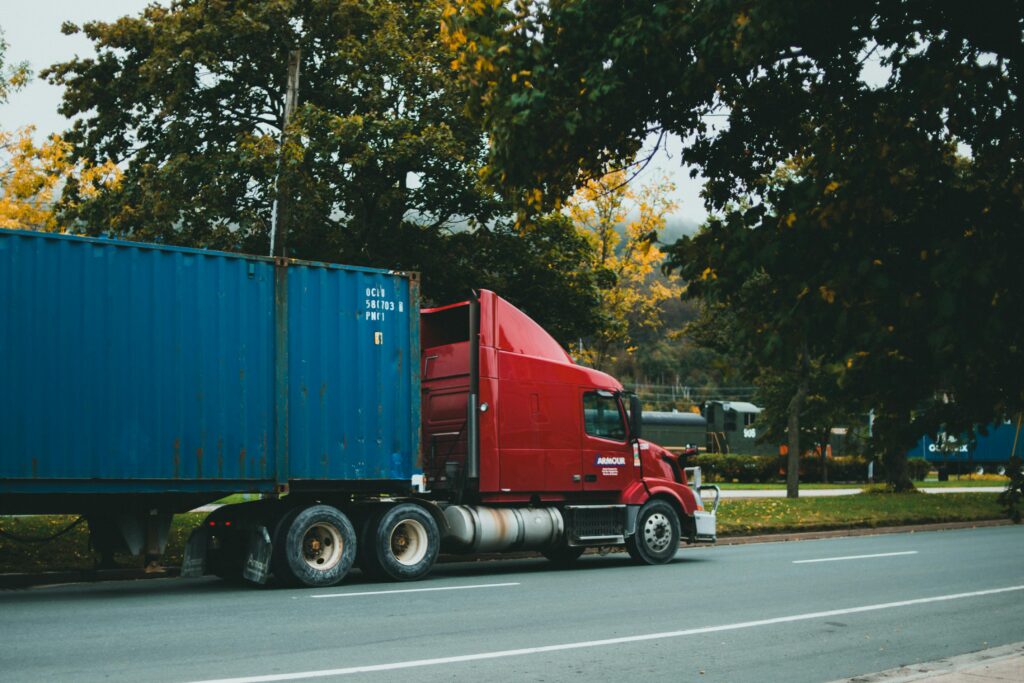
Integration with Multimodal Supply Chains
Modern river freight forwarding in Brazil is not limited to waterways alone. It is part of a broader multimodal logistics system that includes:
- Road transport for pickup and delivery
- River transport for long-distance inland movement
- Rail freight for bulk cargo corridors
- Ocean shipping for international exports
A typical supply chain might involve trucks transporting soybeans from farms to river terminals, barges moving cargo downstream, and ships exporting goods through coastal ports.
This integration improves efficiency and reduces overall logistics costs.
Key River Ports and Terminals
River freight forwarding depends on strategically located ports and terminals that handle cargo transfers.
Important facilities include:
- Manaus Industrial Port Complex
- Porto Velho River Terminal
- Santarém Cargo Port
- Belém River logistics hubs
- Inland terminals connected to Itaqui Port
These facilities enable smooth transfer between river, road, and maritime transport systems.
Advantages of River Freight Forwarding
River freight forwarding offers several benefits that make it essential to Brazil’s logistics system.
Cost Efficiency
River transport is one of the most economical methods for moving bulk cargo over long distances.
High Cargo Capacity
Barges can carry large volumes of goods, reducing transport frequency and costs.
Environmental Sustainability
River logistics produces lower emissions compared to road transport, supporting green logistics goals.
Access to Remote Areas
Forwarders can connect isolated inland regions to national and global markets.
Reduced Road Congestion
Shifting freight to waterways reduces pressure on highways and road infrastructure.
Challenges in River Freight Forwarding Brazil
Despite its advantages, the sector faces several challenges.
Seasonal Water Level Changes
River depth variations can impact navigation and scheduling reliability.
Infrastructure Gaps
Some regions lack modern terminals, storage facilities, and loading systems.
Slow Transit Times
River transport is slower compared to road and rail alternatives.
Weather and Environmental Factors
Floods, droughts, and storms can disrupt operations.
Coordination Complexity
Managing multimodal logistics requires strong coordination among multiple stakeholders.
Technology in River Freight Forwarding
Technology is transforming river freight forwarding operations in Brazil, improving efficiency and transparency.
Key innovations include:
- GPS-based tracking of cargo and vessels
- Digital freight management systems
- Automated route planning tools
- Real-time water level monitoring
- Predictive logistics analytics
These tools help forwarders optimize routes, reduce delays, and improve cargo visibility.
Economic Importance of River Freight Forwarding
River freight forwarding contributes significantly to Brazil’s economic development by:
- Supporting agricultural exports
- Enabling mining logistics
- Reducing transportation costs for industries
- Strengthening inland trade networks
- Creating jobs in logistics and transportation
It plays a vital role in keeping Brazil competitive in global markets.
Role in Agricultural Export Supply Chains
Brazil is one of the world’s largest agricultural exporters, and river freight forwarding is critical to moving crops from inland farms to export terminals.
Key supply chains include:
- Soybeans transported from Mato Grosso via Madeira River
- Corn shipments from central agricultural regions
- Fertilizer imports distributed inland through river routes
Efficient forwarding ensures timely delivery and reduced post-harvest losses.
Environmental Benefits of River Freight Forwarding
River transport is one of the most environmentally friendly logistics options available.
Benefits include:
- Lower greenhouse gas emissions
- Reduced fuel consumption
- Minimal land disruption
- Lower road infrastructure damage
As sustainability becomes a global priority, river freight forwarding is increasingly important.
Government Support and Infrastructure Investment
Brazil continues to invest in improving river logistics through public-private partnerships and infrastructure development programs.
Key initiatives include:
- Modernizing river ports and terminals
- Expanding navigable waterways
- Improving cargo handling systems
- Enhancing multimodal connectivity
- Supporting digital logistics transformation
These investments aim to improve efficiency and reduce logistics bottlenecks.
Future of River Freight Forwarding in Brazil
The future of river freight forwarding is focused on expansion, modernization, and integration with digital logistics systems.
Key trends include:
- Increased use of AI and automation in logistics planning
- Expansion of barge fleets and river corridors
- Greater integration with rail and road transport
- Enhanced real-time tracking systems
- Stronger focus on sustainability and efficiency
As Brazil’s export economy continues to grow, river freight forwarding will play an even more critical role.
River freight forwarding in Brazil is a vital logistics service that supports the movement of bulk goods across the country’s extensive inland waterways. By connecting remote agricultural and industrial regions to national and international markets, it ensures efficient, cost-effective, and sustainable cargo transportation.
Despite challenges such as infrastructure limitations and seasonal water variations, ongoing investment and technological advancements are transforming the sector. With its strategic importance to agriculture, mining, and export industries, river freight forwarding will continue to be a key pillar of Brazil’s logistics and supply chain future.