
Rail freight supply chain solutions in Brazil are becoming increasingly important as the country expands its role as a global leader in agriculture, mining, and industrial exports. With vast distances between production regions and coastal ports, Brazil relies on rail freight systems to move large volumes of goods efficiently, reduce logistics costs, and improve supply chain reliability.
As global trade demands faster, cheaper, and more sustainable logistics networks, rail freight in Brazil is evolving into a critical backbone of integrated supply chain solutions.
The Role of Rail Freight in Brazil’s Supply Chain
Brazil’s supply chain structure is heavily dependent on the efficient movement of commodities from inland production zones to export terminals. Rail freight plays a key role by connecting:
- Agricultural regions in the central-west
- Mining zones in Minas Gerais
- Industrial hubs in the south and southeast
- Major seaports along the Atlantic coast
Rail freight supply chain solutions help streamline this movement, ensuring that goods reach ports on time and at lower cost compared to road transport.
Key advantages include:
- Lower cost per ton-kilometer
- High-capacity bulk transport
- Reduced highway congestion
- Lower emissions and environmental impact
- Improved export competitiveness
Key Rail Freight Corridors Supporting Supply Chains
Brazil’s rail freight network is organized around strategic corridors that support major supply chain flows.
1. Agricultural Export Corridor
This corridor transports soybeans, corn, and grains from Mato Grosso and Goiás to ports such as Santos and Paranaguá. It is essential for Brazil’s global agricultural supply chain dominance.
2. Mining Export Corridor
Iron ore from Minas Gerais is transported via rail to ports in Espírito Santo and Rio de Janeiro, forming one of the most critical supply chains in the country.
3. Southern Industrial Corridor
This corridor supports manufacturing, livestock, and agricultural exports from southern states, ensuring efficient distribution to domestic and international markets.
These corridors are essential pillars of Brazil’s logistics ecosystem.
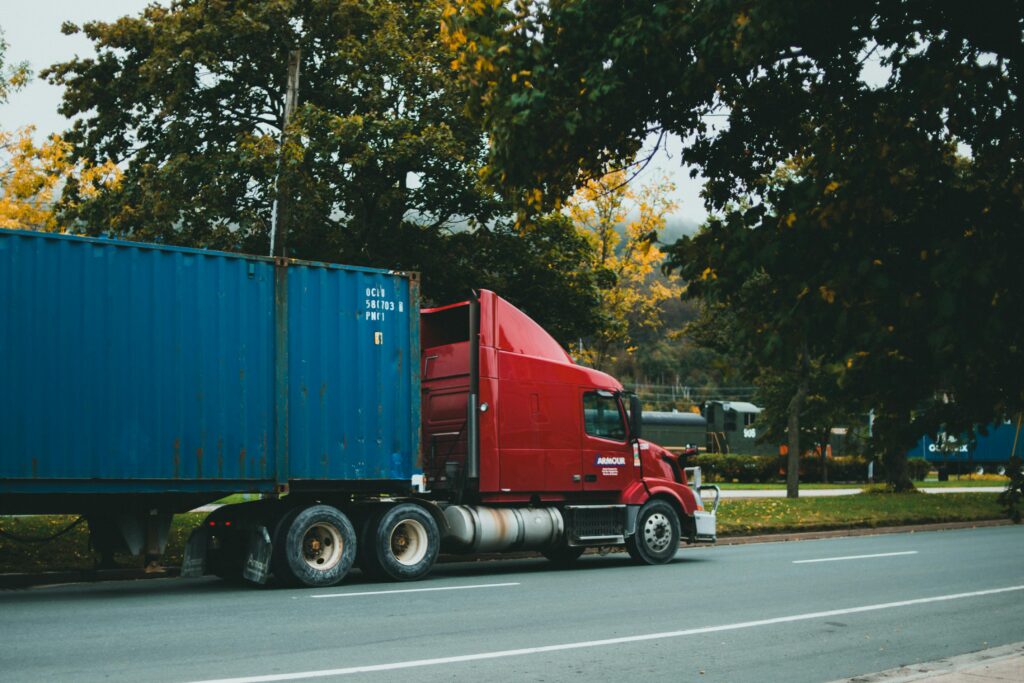
Rail Freight Integration in Multimodal Supply Chains
Modern supply chain solutions in Brazil rely on multimodal logistics, where rail freight is integrated with road and maritime transport.
A typical supply chain flow includes:
- Road transport from farm or factory to rail terminal
- Rail freight for long-distance bulk movement
- Port handling and customs processing
- Maritime shipping to international markets
This integration reduces costs, improves efficiency, and enhances delivery reliability.
Commodities Driving Rail Freight Supply Chains
Brazil’s rail freight supply chain is dominated by bulk commodities, including:
- Iron ore
- Soybeans
- Corn
- Sugar
- Fertilizers
- Petroleum products
- Steel and industrial materials
These goods require efficient long-distance transport due to their volume and export importance.
Role of Ports in Rail Freight Supply Chains
Ports are critical endpoints in Brazil’s rail freight supply chain system. Rail networks connect directly to major export hubs, ensuring smooth cargo movement.
Key ports include:
- Port of Santos (largest in Latin America)
- Port of Paranaguá
- Port of Itaqui
- Port of Vitória
These ports handle millions of tons of rail-delivered cargo annually, supporting global trade flows.
Private Sector Participation and Concessions
Brazil’s rail freight system operates largely under a concession model, where private companies manage rail lines under government regulation.
This system has enabled:
- Increased investment in infrastructure
- Expansion of freight capacity
- Modernization of rail technology
- Improved operational efficiency
- Better maintenance of rail networks
Private logistics operators play a major role in strengthening supply chain performance.
Technology in Rail Freight Supply Chain Solutions
Technology is transforming rail freight logistics in Brazil, making supply chains more efficient and transparent.
Key innovations include:
- Real-time GPS tracking systems
- Digital freight management platforms
- Predictive maintenance for trains
- Automated scheduling systems
- Integrated supply chain dashboards
These tools improve visibility across the entire supply chain, from origin to destination.
Challenges in Brazil Rail Freight Supply Chains
Despite strong growth, several challenges affect rail freight logistics:
1. Limited Network Coverage
Rail infrastructure does not fully connect all regions, especially in northern Brazil.
2. Road Freight Dependency
Road transport still dominates short- and medium-distance logistics.
3. Infrastructure Bottlenecks
High-demand corridors experience congestion and delays.
4. High Capital Investment Needs
Expanding rail infrastructure requires significant funding and long development cycles.
5. Coordination Complexity
Managing multimodal logistics across rail, road, and ports requires strong coordination.
Benefits of Rail Freight Supply Chain Solutions
Rail freight provides several strategic advantages for supply chain optimization:
Cost Reduction
Rail significantly lowers transportation costs for bulk commodities.
Efficiency at Scale
Large volumes can be transported in fewer trips compared to road transport.
Environmental Sustainability
Rail emits fewer greenhouse gases, supporting green logistics initiatives.
Improved Export Competitiveness
Lower logistics costs make Brazilian exports more competitive globally.
Reduced Highway Pressure
Shifting freight from road to rail reduces traffic congestion and infrastructure wear.
Digital Transformation of Supply Chains
Brazil’s rail freight supply chain is increasingly digitalized. Companies are adopting advanced technologies to improve efficiency and transparency.
Key developments include:
- Cloud-based logistics platforms
- AI-driven demand forecasting
- Automated cargo scheduling
- Smart inventory tracking systems
- Data-driven supply chain optimization
These innovations help reduce delays and improve decision-making.
Economic Importance of Rail Freight Supply Chains
Rail freight supply chain solutions are essential for Brazil’s economic performance. They support:
- Agricultural export growth
- Mining industry expansion
- Industrial manufacturing logistics
- Job creation in logistics sectors
- Foreign trade competitiveness
Efficient rail logistics strengthens Brazil’s position in global supply chains.
Sustainability in Rail Freight Logistics
Rail freight is a key driver of sustainable supply chain development in Brazil. Environmental benefits include:
- Lower carbon emissions per ton transported
- Reduced fuel consumption
- Less highway degradation
- Improved energy efficiency
As global sustainability standards increase, rail freight becomes even more important for responsible supply chain management.
Government Investment and Infrastructure Development
Brazil continues to invest heavily in rail freight expansion through public-private partnerships and infrastructure programs.
Focus areas include:
- Expanding freight corridors
- Modernizing rail systems
- Improving port connectivity
- Increasing agricultural export capacity
- Enhancing digital logistics systems
These investments aim to create a more efficient and competitive supply chain network.
Future of Rail Freight Supply Chain Solutions in Brazil
The future of rail freight logistics in Brazil is focused on modernization and expansion. Key trends include:
- Greater multimodal integration
- Expansion of high-capacity rail corridors
- Increased private investment
- Adoption of smart logistics technologies
- Stronger focus on sustainability
As demand for exports continues to grow, rail freight will become even more central to Brazil’s supply chain ecosystem.
Rail freight Brazil supply chain solutions are a critical component of the country’s logistics infrastructure and global trade competitiveness. By connecting inland production zones to ports through efficient rail corridors, Brazil can move large volumes of commodities at lower cost and higher efficiency.
With continued investment, technological advancement, and multimodal integration, rail freight is transforming Brazil’s supply chains into faster, more sustainable, and more competitive systems. As a result, rail logistics will remain a key driver of economic growth and international trade success in the years ahead.