
Rail logistics cargo solutions in Brazil represent a highly integrated system of transportation services, infrastructure networks, and technology-driven operations designed to move large volumes of goods efficiently across vast distances. As one of the world’s leading exporters of agricultural and mineral commodities, Brazil relies heavily on rail-based cargo solutions to connect inland production regions with coastal ports and international markets.
These solutions go beyond simple rail transport. They include end-to-end logistics planning, multimodal integration, digital freight systems, inland terminals, and heavy-haul rail operations that together form a complex and efficient supply chain ecosystem.
Overview of Rail Logistics Cargo Solutions in Brazil
Rail logistics cargo solutions refer to the combination of services, systems, and infrastructure used to manage freight movement by rail. In Brazil, these solutions are essential due to the country’s large geographic size and export-driven economy.
The system is regulated by the national transport authority ANTT (Agência Nacional de Transportes Terrestres), which oversees rail concessions, safety standards, and operational regulations.
Private operators such as Rumo Logística and VLI Multimodal provide most rail logistics cargo solutions, managing freight corridors, terminals, and integrated supply chain systems.
Key Components of Rail Logistics Cargo Solutions
Brazil’s rail logistics cargo solutions are built on several interconnected components that ensure efficient freight movement from origin to destination.
1. Rail Freight Transportation Solutions
The core of the system is long-distance rail freight transport. These solutions focus on moving bulk commodities such as agricultural products, minerals, and industrial goods efficiently over thousands of kilometers.
Rail transport is especially effective for:
- Soybeans and corn
- Iron ore and minerals
- Sugar and coffee
- Fertilizers and fuels
2. Multimodal Logistics Integration
One of the most important cargo solutions in Brazil is multimodal integration, where rail is combined with road and maritime transport.
A typical logistics flow includes:
- Truck transport from farms or mines (first-mile)
- Rail transport for long-distance movement
- Port handling for export shipping
Companies like VLI Multimodal specialize in integrating these transport modes into unified supply chain solutions.
3. Inland Terminals and Cargo Hubs
Inland terminals play a crucial role in rail logistics cargo solutions. These facilities act as consolidation and distribution centers where goods are stored, processed, and loaded onto trains.
Functions of inland terminals include:
- Cargo storage and consolidation
- Customs processing for exports
- Loading and unloading operations
- Coordination with trucking networks
4. Heavy-Haul Rail Cargo Solutions
Brazil has some of the most advanced heavy-haul rail systems in the world, particularly in mining regions. These solutions involve specialized trains capable of carrying extremely large volumes of cargo.
Heavy-haul solutions are primarily used for:
- Iron ore transport
- Bulk mineral exports
- Long-distance high-capacity freight movement
5. Digital and Smart Logistics Solutions
Technology is transforming rail logistics cargo solutions in Brazil by improving efficiency and visibility across the supply chain.
Key digital solutions include:
- Real-time cargo tracking systems
- AI-driven demand forecasting
- Predictive maintenance for rail equipment
- Automated terminal operations
- Digital freight management platforms
Operators such as Rumo Logística use advanced digital systems to optimize rail scheduling and improve coordination with ports and trucking networks.
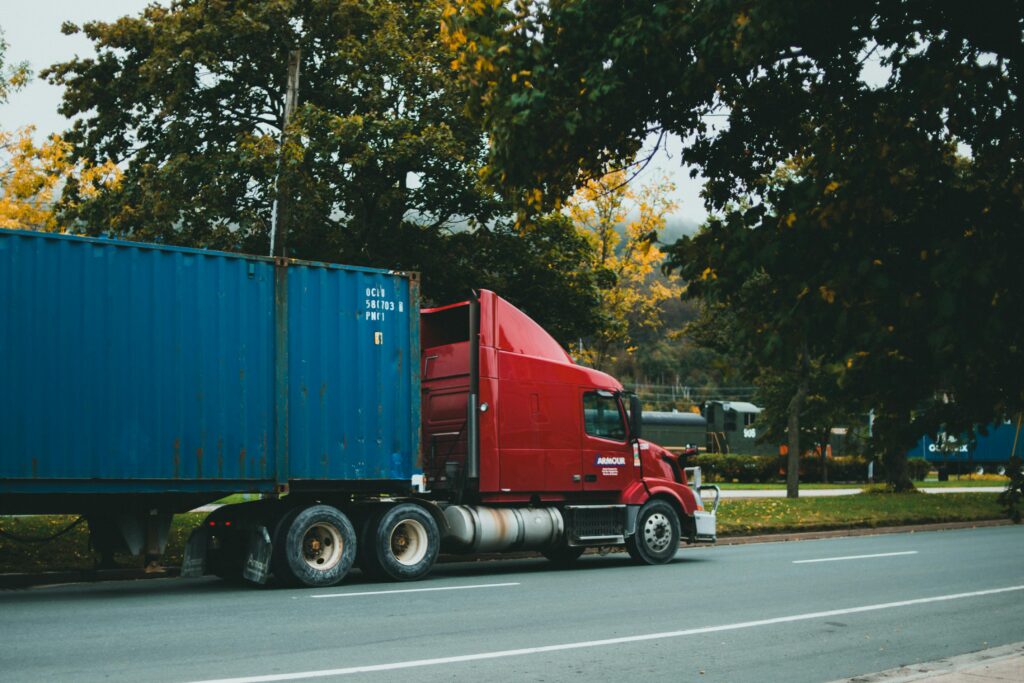
Major Rail Freight Corridors Supporting Cargo Solutions
Brazil’s rail logistics cargo solutions are built around major freight corridors that connect production regions to export hubs.
1. Southeast Export Corridor
This corridor connects industrial and agricultural regions in São Paulo and Minas Gerais to the Port of Santos. It handles containers, agricultural goods, and industrial cargo.
2. Midwest Agricultural Corridor
This is one of the most important and fastest-growing logistics corridors, transporting soybeans, corn, and cotton from central Brazil to export ports.
3. Northern Arc Logistics Corridor
The Northern Arc corridor is a modern logistics solution designed to reduce transport distances and improve export efficiency by connecting inland production zones to northern Amazonian ports.
4. Mining Heavy-Haul Corridor
Dedicated mining corridors, especially in Pará and Minas Gerais, are designed for high-capacity iron ore transport from mines to export ports.
Role of Rail Cargo Solution Providers
Rail logistics cargo solutions in Brazil are primarily delivered by private companies operating under government concessions.
Rumo Logística provides large-scale agricultural logistics solutions, managing extensive rail corridors and integrating them with port infrastructure.
VLI Multimodal offers integrated logistics solutions combining rail, road, and maritime transport for end-to-end supply chain management.
These companies are responsible for:
- Freight planning and optimization
- Rail network operations
- Terminal and port coordination
- Cargo handling and distribution
- Multimodal logistics integration
Technology and Innovation in Cargo Solutions
Technology is a key driver of efficiency in rail logistics cargo solutions across Brazil.
Important innovations include:
- GPS-based real-time tracking of freight trains
- AI-powered logistics optimization systems
- Predictive maintenance for locomotives and wagons
- Automated cargo loading and unloading systems
- Integrated digital supply chain platforms
These technologies help reduce delays, improve asset utilization, and increase supply chain transparency.
Types of Rail Logistics Cargo Solutions
Brazil offers different types of rail cargo solutions based on industry needs.
1. Agricultural Cargo Solutions
Designed for large-scale movement of grains and soft commodities from farms to export ports.
2. Mining Cargo Solutions
Heavy-haul systems designed for efficient iron ore and mineral transportation.
3. Industrial Cargo Solutions
Solutions for transporting manufactured goods, steel, and chemical products.
4. Fuel and Energy Cargo Solutions
Systems for distributing petroleum products and fuels between refineries and industrial centers.
Economic Importance of Rail Logistics Cargo Solutions
Rail logistics cargo solutions are essential to Brazil’s economic structure.
1. Export Competitiveness
They reduce logistics costs and improve the competitiveness of Brazilian exports in global markets.
2. Supply Chain Efficiency
They integrate production zones with ports and international shipping routes.
3. Cost Reduction
Rail transport is significantly cheaper than long-distance road transport for bulk cargo.
4. Regional Development
Rail infrastructure promotes economic growth in inland agricultural and mining regions.
Challenges in Rail Logistics Cargo Solutions
Despite strong performance in key regions, Brazil faces several challenges:
1. Limited Rail Coverage
Large parts of the country still lack rail infrastructure.
2. Infrastructure Bottlenecks
Single-track rail sections and aging infrastructure limit capacity.
3. Port Congestion
Delays at ports can disrupt the entire logistics chain.
4. Fragmented Network Design
The lack of a fully integrated rail system reduces efficiency.
5. Seasonal Demand Peaks
Agricultural harvest cycles create high-pressure periods for logistics systems.
Environmental Benefits
Rail logistics cargo solutions are more environmentally sustainable than road transport.
Key environmental advantages include:
- Lower greenhouse gas emissions per ton-kilometer
- Reduced fuel consumption
- Less highway congestion
- Improved energy efficiency
As sustainability becomes a global priority, rail cargo solutions will play an increasingly important role in Brazil’s logistics strategy.
Future Outlook
The future of rail logistics cargo solutions in Brazil is focused on expansion, modernization, and digital transformation.
Key trends include:
- Expansion of northern grain export corridors
- Development of new Midwest rail infrastructure projects
- Increased private sector investment
- Greater use of artificial intelligence in logistics planning
- Improved integration between rail, road, and ports
Companies such as Rumo Logística and VLI Multimodal are expected to lead this transformation.
Rail logistics cargo solutions in Brazil are a fundamental part of the country’s transportation and export system. They enable efficient movement of large volumes of commodities across vast distances, connecting inland production areas with global markets.
Although challenges such as infrastructure gaps and network limitations remain, ongoing investment, technological innovation, and private sector participation are rapidly improving the system.
With continued development, Brazil’s rail logistics cargo solutions will become more integrated, efficient, and sustainable, strengthening the country’s position as a global leader in agricultural and mineral exports.