
Industrial rail transport in Brazil is a critical pillar of the country’s logistics and economic infrastructure, designed to move heavy industrial goods, raw materials, and bulk commodities efficiently across vast distances. In a geographically expansive nation like Brazil, industrial rail systems play a key role in connecting mining regions, manufacturing hubs, and export ports, ensuring that industries remain competitive in both domestic and global markets.
Unlike passenger-focused rail systems seen in other parts of the world, Brazil’s rail network is primarily freight-oriented, with industrial transport forming one of its most important segments. From steel production to mining and energy supply chains, rail-based logistics supports the backbone of Brazil’s industrial economy.
What Is Industrial Rail Transport?
Industrial rail transport refers to the movement of heavy industrial goods and raw materials using freight trains. It is specifically designed to handle high-volume, high-weight cargo that is essential for manufacturing, construction, mining, and energy production.
In Brazil, industrial rail transport commonly includes:
- Iron ore and mineral ores
- Steel and metal products
- Cement and construction materials
- Coal and fuel supplies
- Machinery and industrial equipment
- Chemical products and fertilizers
This form of transport is essential for linking industrial zones in inland regions with ports and major consumption centers such as São Paulo and Rio de Janeiro.
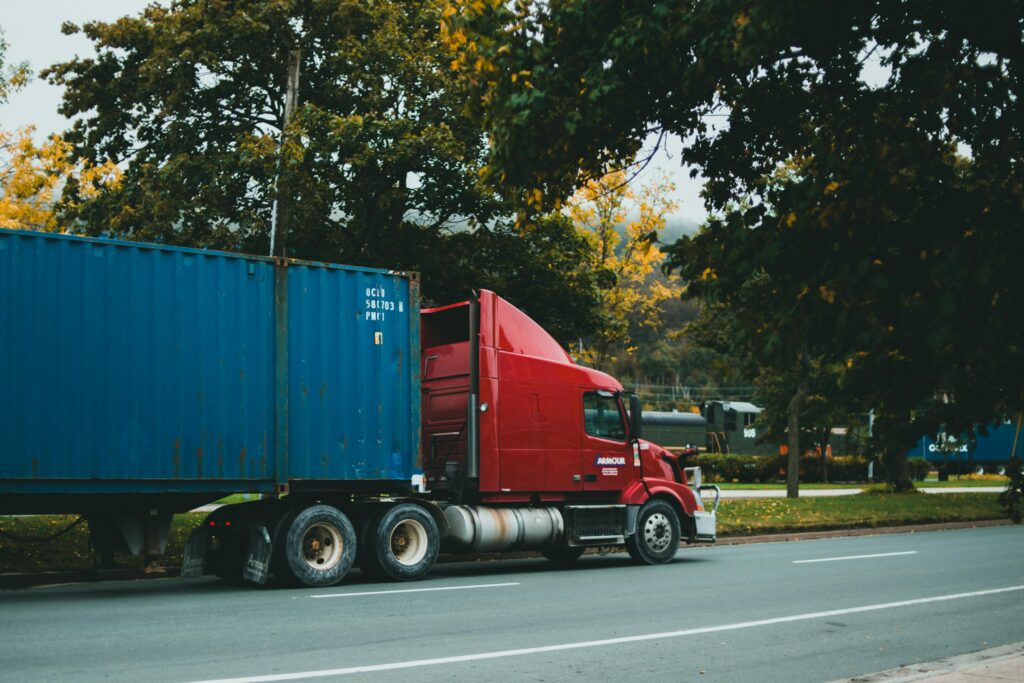
Structure of Industrial Rail Transport in Brazil
Brazil’s industrial rail transport system operates under a concession-based model, where private companies manage specific rail corridors under government regulation. This structure encourages investment in high-demand industrial routes while allowing flexibility in operations.
Key characteristics include:
- Private rail operators under federal concessions
- Freight-dedicated rail infrastructure
- Industrial corridor specialization
- Integration with highways and ports
Major logistics operators include:
- Rumo Logística
- VLI Multimodal
- MRS Logística
These companies manage the majority of Brazil’s industrial freight corridors, ensuring smooth transportation of raw materials and finished industrial goods.
Key Industrial Rail Corridors in Brazil
Industrial rail transport in Brazil is organized around strategic corridors that connect production zones with industrial hubs and export terminals.
1. Mining and Mineral Corridor
One of the most important industrial rail systems in Brazil supports mining operations, particularly iron ore extraction in Minas Gerais. This corridor transports large quantities of ore to ports for export, making it one of the most profitable segments of rail transport.
2. Steel and Metal Corridor
This corridor connects steel production centers with manufacturing and construction hubs. It supports industries that rely heavily on steel, including automotive manufacturing, infrastructure development, and heavy engineering.
3. Energy and Fuel Corridor
Industrial rail transport also plays a role in moving coal, diesel, ethanol, and other energy resources. These materials are essential for powering industries and transportation systems across Brazil.
4. Construction Materials Corridor
Cement, gravel, sand, and other construction materials are transported via rail to support Brazil’s growing infrastructure and urban development projects.
Importance of Industrial Rail Transport in Brazil
Industrial rail transport is essential for sustaining Brazil’s industrial economy and ensuring efficient resource distribution.
1. Supports Heavy Industry
Industries such as mining, steel production, and construction depend on rail transport for large-scale movement of raw materials.
2. Cost Efficiency
Rail transport is significantly cheaper than road freight for heavy and bulk industrial goods, especially over long distances.
3. Export Enablement
Industrial rail corridors connect inland production areas with ports, supporting Brazil’s export economy.
4. Infrastructure Protection
By moving heavy cargo off highways, rail transport reduces road damage and maintenance costs.
5. Energy Efficiency
Rail systems consume less fuel per ton of cargo compared to trucks, making them more efficient for industrial logistics.
Role of Major Rail Operators
Brazil’s industrial rail transport system is managed by large logistics companies that operate key freight corridors.
Rumo Logística
Rumo is one of the largest rail freight operators in Latin America, handling significant volumes of agricultural and industrial cargo across Brazil’s interior and export routes.
VLI Multimodal
VLI specializes in integrated logistics solutions, combining rail, road, and port transport to efficiently move industrial goods.
MRS Logística
MRS operates one of the busiest industrial rail networks in southeastern Brazil, focusing on steel, mining products, and heavy industrial cargo.
These companies play a vital role in maintaining supply chain efficiency and supporting Brazil’s industrial growth.
Challenges in Industrial Rail Transport
Despite its importance, industrial rail transport in Brazil faces several challenges.
1. Limited Rail Network Coverage
Brazil’s rail infrastructure does not fully cover all industrial regions, limiting accessibility in some areas.
2. Dependence on Bulk Commodities
Industrial rail transport is heavily focused on raw materials, with limited diversification into finished or high-value goods.
3. Competition from Road Transport
Trucking remains dominant due to flexibility and widespread highway networks.
4. Infrastructure Bottlenecks
Some rail lines require modernization to handle higher cargo volumes and improve efficiency.
5. High Capital Investment Needs
Expanding and upgrading rail infrastructure requires significant long-term investment.
Technology in Industrial Rail Transport
Technology is transforming industrial rail transport in Brazil, improving efficiency, safety, and reliability.
1. Real-Time Tracking Systems
GPS and satellite-based systems allow operators to monitor industrial cargo movement across vast distances.
2. Predictive Maintenance
Sensors installed on locomotives and tracks help detect potential failures before they occur, reducing downtime.
3. Digital Logistics Platforms
These systems optimize scheduling, cargo allocation, and route planning for industrial freight.
4. Automated Signaling Systems
Modern signaling technology improves safety and reduces delays in freight movement.
Multimodal Integration in Industrial Transport
Industrial rail transport is increasingly integrated with other logistics systems to create efficient supply chains.
It connects with:
- Road transport (trucking)
- River and inland waterways
- Maritime shipping and port terminals
Companies like VLI Multimodal specialize in combining these transport modes into unified logistics solutions, ensuring seamless movement from production sites to export destinations.
Environmental Impact of Industrial Rail Transport
Industrial rail transport is significantly more environmentally sustainable compared to road freight.
Key benefits include:
- Lower carbon emissions per ton transported
- Reduced fuel consumption
- Decreased highway congestion
- Lower infrastructure wear and tear
As global sustainability standards increase, rail transport is becoming a key part of Brazil’s strategy to reduce industrial emissions.
Future of Industrial Rail Transport in Brazil
The future of industrial rail transport in Brazil is expected to grow through modernization, expansion, and digital transformation.
1. Expansion of Rail Infrastructure
New rail corridors are being developed to connect industrial zones more efficiently with ports and manufacturing centers.
2. Increased Private Investment
Private companies will continue to lead infrastructure development under concession agreements.
3. Digital Transformation
Artificial intelligence and big data will optimize logistics planning and improve operational efficiency.
4. Growth in Industrial Freight Capacity
Rail networks are expected to handle larger volumes of industrial goods with improved infrastructure.
5. Enhanced Port Connectivity
Better integration with major ports like Santos will improve export efficiency and reduce bottlenecks.
Industrial rail transport is a foundational element of Brazil’s economic infrastructure, enabling the efficient movement of heavy goods across a vast and diverse territory. In Brazil, industries such as mining, steel production, energy, and construction rely heavily on rail systems to maintain productivity and global competitiveness.
Despite challenges such as limited network coverage and competition from road transport, the sector continues to expand through privatization, investment, and technological innovation. Companies like Rumo Logística, VLI Multimodal, and MRS Logística are driving this transformation.
As Brazil continues to modernize its logistics infrastructure, industrial rail transport will remain essential for supporting economic growth, strengthening exports, and building a more efficient and sustainable industrial future.