
Residential freight brokerage in Brazil is a specialized segment of the logistics industry that connects individuals or households who need to move goods with carriers and transport providers capable of executing those moves efficiently. Acting as intermediaries, freight brokers coordinate the transportation of household goods—ranging from furniture and appliances to personal belongings—across Brazil’s vast and geographically diverse landscape.
With increasing urbanization, internal migration, and international relocation activity, residential freight brokerage has become an essential service in Brazil’s logistics ecosystem. It simplifies the moving process for customers while helping transport companies maximize vehicle utilization and operational efficiency.
What Is Residential Freight Brokerage?
Residential freight brokerage refers to the coordination and management of household goods transportation between customers and carriers. In Brazil, freight brokers do not usually own trucks or moving equipment. Instead, they:
- Connect customers with licensed carriers
- Negotiate transportation rates
- Arrange scheduling and routing
- Manage documentation and compliance
- Oversee shipment tracking and communication
Essentially, brokers act as logistical matchmakers, ensuring that household goods are transported safely, efficiently, and cost-effectively.
Role of Freight Brokers in Brazil’s Residential Moving Market
Brazil’s residential moving market is large and complex due to the country’s size, infrastructure variations, and population distribution. Freight brokers play a critical role in simplifying this complexity.
1. Connecting Customers with Carriers
One of the primary responsibilities of residential freight brokers is matching customers with appropriate transport providers. They evaluate:
- Volume of household goods
- Distance of relocation
- Delivery timelines
- Budget constraints
Based on these factors, brokers select carriers with suitable vehicle capacity and service capabilities.
2. Price Negotiation and Cost Optimization
Freight brokers negotiate rates between customers and carriers. Because they work with multiple transport providers, they can often secure more competitive pricing than individuals could obtain directly. This helps customers reduce moving costs while ensuring carriers maintain consistent business flow.
3. Coordination and Scheduling
Residential moves require precise timing. Brokers coordinate pickup, transit, and delivery schedules to ensure smooth execution. This is especially important in Brazil’s major cities, where traffic congestion can significantly impact delivery windows.
4. Documentation and Compliance Management
Brazil has strict transport regulations, especially for interstate and commercial freight. Brokers ensure that all necessary documentation is in place, including:
- Inventory lists
- Transport permits
- Insurance coverage documents
- Tax identification requirements
Proper documentation reduces delays and ensures legal compliance.
Importance of Residential Freight Brokerage in Brazil
Residential freight brokerage is essential in Brazil for several reasons:
1. Geographic Scale and Complexity
Brazil spans over 8.5 million square kilometers, making long-distance residential moves logistically challenging. Freight brokers help coordinate these complex routes efficiently.
2. Urban Migration Trends
Major cities like São Paulo, Rio de Janeiro, Brasília, and Belo Horizonte experience constant population movement. Brokers facilitate these relocations by managing high volumes of household moves.
3. Cost Efficiency for Customers
By leveraging networks of carriers, brokers help customers find cost-effective moving solutions without compromising service quality.
4. Operational Efficiency for Carriers
Carriers benefit from brokers by receiving consistent freight opportunities, reducing empty return trips and improving fleet utilization.
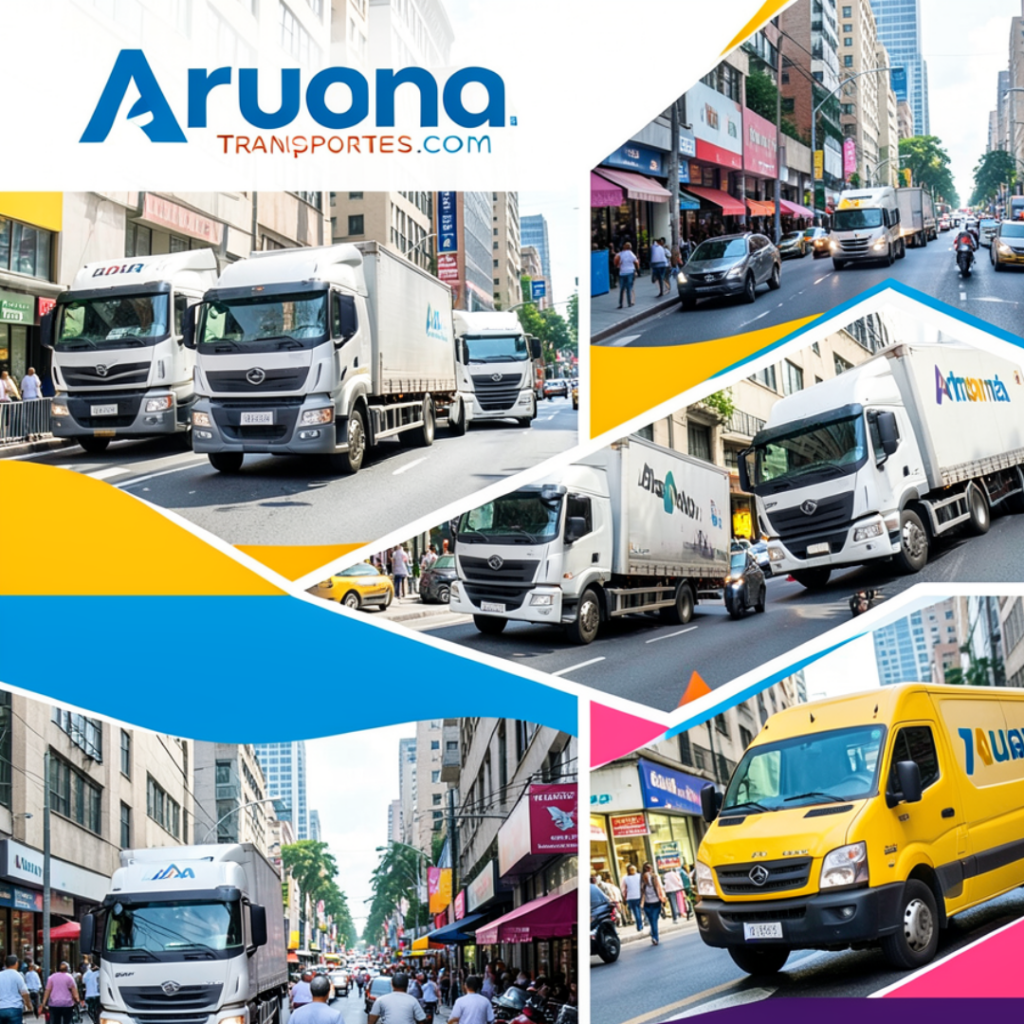
How Residential Freight Brokerage Works in Brazil
The freight brokerage process in residential logistics typically follows several structured steps:
Step 1: Customer Inquiry
A customer contacts a freight broker with details about their move, including origin, destination, and inventory size.
Step 2: Assessment and Quotation
The broker evaluates the shipment requirements and provides multiple transport options and pricing estimates based on available carriers.
Step 3: Carrier Selection
Once the customer approves a quote, the broker assigns a suitable carrier based on availability, vehicle type, and route efficiency.
Step 4: Scheduling and Coordination
Pickup and delivery dates are scheduled. The broker coordinates between the customer and carrier to ensure readiness.
Step 5: Transportation and Tracking
The carrier transports the goods while the broker monitors progress using tracking systems and provides updates to the customer.
Step 6: Delivery and Confirmation
Upon delivery, the broker ensures that goods are received in good condition and that the service is completed satisfactorily.
Challenges in Residential Freight Brokerage in Brazil
Despite its importance, residential freight brokerage in Brazil faces several challenges:
1. Infrastructure Limitations
While Brazil has an extensive highway system, rural and remote regions often lack well-maintained roads, making transportation slower and more complex.
2. Traffic Congestion in Cities
Urban areas such as São Paulo experience heavy traffic congestion, which can delay pickups and deliveries, requiring careful scheduling and route planning.
3. Regulatory Complexity
Freight brokers must navigate multiple layers of regulations, including state-level transport rules, taxation policies, and documentation requirements.
4. Security Risks
Cargo theft and security issues in certain regions require brokers to work with trusted carriers and implement tracking systems to ensure safety.
5. Seasonal Demand Fluctuations
Demand for residential moving services often spikes during specific periods such as year-end holidays, school seasons, and job relocation cycles, creating capacity constraints.
Technology in Residential Freight Brokerage
Technology is transforming residential freight brokerage in Brazil by improving transparency, efficiency, and communication.
Digital Freight Platforms
Online platforms allow brokers to connect with carriers and customers more efficiently, reducing manual coordination.
Real-Time Tracking Systems
GPS tracking enables brokers and customers to monitor shipments in real time, improving trust and communication.
Automated Matching Systems
Advanced algorithms help brokers match shipments with the most suitable carriers based on cost, route, and availability.
Mobile Applications
Mobile apps facilitate communication between drivers, brokers, and customers, streamlining updates and issue resolution.
Data Analytics
Analytics tools help brokers analyze demand patterns, optimize pricing strategies, and improve operational efficiency.
Types of Residential Freight Brokerage Services in Brazil
Residential freight brokers in Brazil offer a range of services depending on customer needs:
1. Local Moves
Short-distance relocations within the same city or metropolitan area.
2. Interstate Moves
Long-distance household relocations between different states, requiring detailed planning and coordination.
3. Full-Service Moves
End-to-end services including packing, loading, transportation, unloading, and unpacking.
4. Partial Load Moves
Shared transport services where multiple customers share truck space to reduce costs.
5. Premium Relocation Services
High-end services for corporate executives or expatriates, including insurance, storage, and priority handling.
Skills Required by Residential Freight Brokers
Successful freight brokers in Brazil need a combination of technical and interpersonal skills:
- Strong knowledge of logistics and transportation systems
- Negotiation and pricing skills
- Understanding of Brazilian transport regulations
- Communication and customer service abilities
- Problem-solving and crisis management skills
- Familiarity with logistics software and tracking systems
These skills enable brokers to manage complex residential moves effectively.
Future Trends in Residential Freight Brokerage in Brazil
The residential freight brokerage sector in Brazil is evolving rapidly, driven by technology and changing consumer expectations.
1. Increased Digitalization
More brokers are adopting digital platforms for booking, tracking, and managing shipments.
2. AI-Powered Logistics Matching
Artificial intelligence will continue to improve carrier matching, pricing optimization, and route planning.
3. Growth of On-Demand Moving Services
Customers increasingly expect flexible, on-demand moving solutions with faster response times.
4. Sustainability Focus
There is growing emphasis on eco-friendly logistics practices, including fuel-efficient routing and reduced carbon emissions.
5. Enhanced Transparency
Customers now demand real-time visibility into their shipments, pushing brokers to adopt advanced tracking systems.
Residential freight brokerage in Brazil is a crucial component of the country’s logistics and moving industry. By connecting customers with carriers, managing logistics coordination, and ensuring compliance with regulations, freight brokers simplify the complex process of household relocation.
Despite challenges such as infrastructure limitations, regulatory complexity, and traffic congestion, the sector continues to grow and modernize. Technology adoption, digital platforms, and data-driven decision-making are transforming the way brokers operate.
As Brazil continues to urbanize and integrate further into global logistics networks, residential freight brokerage will play an increasingly important role in ensuring efficient, reliable, and cost-effective household moving services across the country.