
The furniture moving network in Brazil is a rapidly evolving part of the country’s residential logistics industry, designed to handle one of the most challenging aspects of home relocation: transporting bulky, fragile, and high-value furniture safely and efficiently. As urbanization increases and households relocate more frequently across cities like São Paulo, Rio de Janeiro, Brasília, and Curitiba, the demand for a coordinated and reliable furniture moving network has grown significantly.
Unlike isolated moving services, a furniture moving network operates as an interconnected system of logistics providers, transport fleets, packing specialists, storage facilities, and dispatch coordinators working together to ensure seamless furniture relocation across Brazil’s vast and diverse geography.
What Is a Furniture Moving Network?
A furniture moving network refers to a structured system of companies, service providers, and logistics partners that collaborate to transport household furniture from one location to another. It integrates multiple moving components into a unified operational framework.
In Brazil, this network typically includes:
- Local and interstate moving companies
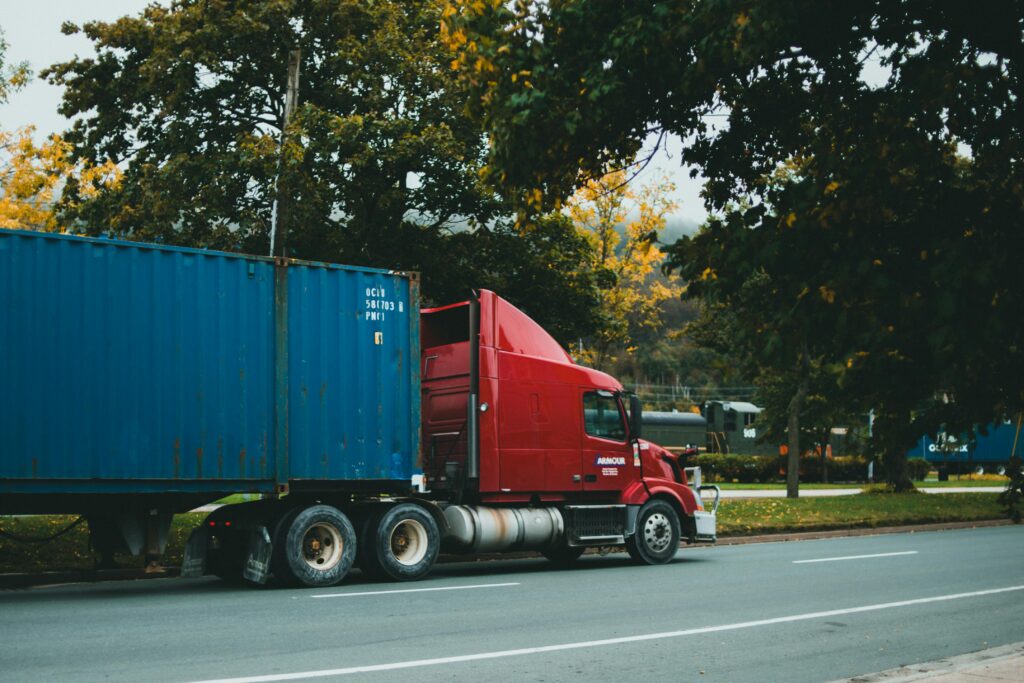
- Specialized furniture transport vehicles
- Packing and handling teams
- Warehousing and storage facilities
- Logistics coordinators and dispatch systems
- Insurance and damage protection services
The goal is to ensure furniture is moved safely, efficiently, and with minimal risk of damage, regardless of distance or complexity.
Importance of Furniture Moving Networks in Brazil
Brazil presents unique logistical challenges that make a coordinated furniture moving network essential.
1. Geographic Scale
Brazil’s vast territory means furniture often needs to travel long distances between states, requiring coordinated logistics planning.
2. Urban Infrastructure Constraints
Cities like São Paulo and Rio de Janeiro have narrow streets, high-rise buildings, and traffic congestion, making furniture transport complex.
3. Growing Housing Mobility
With increasing rental trends and job-driven relocation, households move more frequently than ever before.
4. High Value of Household Furniture
Modern households invest heavily in furniture, making safe transportation a priority.
5. Fragmented Logistics Market
A connected network helps unify service quality across multiple independent providers.
Structure of the Furniture Moving Network
A well-functioning furniture moving network in Brazil is built on multiple interconnected layers.
1. Local Moving Partners
These are small to mid-sized companies that handle short-distance furniture transport within cities.
2. Regional Transport Fleets
These fleets manage medium-distance moves between nearby cities or states.
3. National Logistics Providers
Large logistics companies handle long-distance interstate furniture relocation.
4. Specialized Furniture Handlers
Teams trained specifically in handling fragile, antique, or luxury furniture items.
5. Storage and Warehousing Units
Facilities that temporarily store furniture during transitional relocation phases.
How the Furniture Moving Network Works in Brazil
Step 1: Request and Assessment
The process begins when a customer requests furniture relocation services. The network evaluates volume, distance, and special handling requirements.
Step 2: Service Allocation
Based on the assessment, the most suitable network partner is selected for the job.
Step 3: Packing and Protection
Specialized teams disassemble, wrap, and secure furniture using protective materials like foam, blankets, and reinforced packaging.
Step 4: Dispatch Coordination
Furniture is assigned to appropriate vehicles within the network and scheduled for transport.
Step 5: Transportation and Monitoring
Goods are transported using optimized routes, with real-time tracking and coordination between network partners.
Step 6: Delivery and Reassembly
Furniture is delivered, unloaded, and reassembled at the destination.
Types of Furniture Moving Services in Brazil
1. Local Furniture Moving
Focuses on short-distance relocations within cities, often completed within the same day.
2. Interstate Furniture Transport
Handles long-distance moves across Brazilian states, requiring careful coordination and scheduling.
3. High-Value Furniture Moving
Specialized service for luxury furniture, antiques, and designer pieces requiring extra protection.
4. Apartment and High-Rise Moving
Designed for urban environments with elevators, stairs, and restricted access points.
5. Commercial Furniture Relocation
Includes office furniture, hotel furnishings, and business infrastructure relocation.
Role of Technology in Furniture Moving Networks
Technology plays a key role in improving efficiency and coordination across Brazil’s furniture moving networks.
GPS Tracking Systems
Enable real-time monitoring of furniture shipments across long distances.
Digital Coordination Platforms
Connect all stakeholders including movers, drivers, and customers in one system.
AI-Based Route Optimization
Helps identify the fastest and safest transport routes.
Inventory Management Software
Tracks each furniture item from pickup to delivery.
Mobile Communication Tools
Allow instant updates and coordination between teams.
Benefits of a Furniture Moving Network in Brazil
1. Improved Coordination
Multiple service providers work together seamlessly, reducing delays and miscommunication.
2. Enhanced Safety
Specialized handling and packaging reduce the risk of furniture damage.
3. Faster Delivery Times
Optimized routing and scheduling improve overall efficiency.
4. Cost Optimization
Shared resources and consolidated transport reduce operational costs.
5. Nationwide Coverage
Networks allow furniture to be moved efficiently across Brazil’s vast territory.
Challenges Facing Furniture Moving Networks in Brazil
Infrastructure Limitations
Road conditions in certain regions can delay transport and increase risks.
Traffic Congestion
Urban centers experience frequent delays due to heavy traffic.
Coordination Complexity
Managing multiple partners across regions requires strong communication systems.
Damage Risk
Improper handling or poor packaging can still lead to furniture damage.
Seasonal Demand Fluctuations
Peak relocation periods can strain network capacity.
Strategies to Improve Furniture Moving Networks
1. Standardized Handling Procedures
Ensuring all network partners follow consistent packing and transport standards.
2. Advanced Training Programs
Educating workers on safe furniture handling and assembly techniques.
3. Integrated Digital Platforms
Using centralized systems for scheduling, tracking, and coordination.
4. Predictive Logistics Planning
Forecasting demand to allocate resources efficiently.
5. Strong Quality Control Systems
Regular audits and performance monitoring of network partners.
Importance of Specialized Furniture Handling
Furniture is often one of the most valuable and delicate components of a household. Proper handling requires:
- Disassembly of large items
- Protective wrapping for fragile surfaces
- Secure loading techniques
- Controlled transportation conditions
- Careful reassembly at destination
Without specialized handling, the risk of damage increases significantly.
Future of Furniture Moving Networks in Brazil
Smart Logistics Integration
Fully connected digital networks will enable seamless coordination across all providers.
AI-Powered Dispatch Systems
Artificial intelligence will automate partner selection and route optimization.
Eco-Friendly Transport Solutions
Electric and low-emission vehicles will reduce environmental impact.
Blockchain-Based Tracking
Future systems may provide transparent and tamper-proof shipment records.
On-Demand Furniture Moving Services
Customers will be able to book instant furniture relocation through mobile platforms.
The furniture moving network in Brazil is transforming the way households relocate by creating a connected, efficient, and reliable logistics ecosystem. By integrating multiple service providers into a unified system, it ensures that furniture is transported safely and efficiently across cities and states.
As Brazil continues to urbanize and mobility increases, the importance of coordinated furniture moving networks will only grow. With advancements in technology, improved logistics coordination, and specialized handling practices, the future of furniture relocation in Brazil is becoming faster, safer, and more intelligent—offering homeowners a seamless moving experience across one of the largest countries in the world.