
Home delivery services in Brazil have expanded rapidly over the past decade, driven by urbanization, e-commerce growth, changing consumer behavior, and advances in logistics technology. From food and groceries to electronics, furniture, and pharmaceuticals, home delivery has become a core part of daily life for millions of households.
In Brazil, the scale of cities, traffic congestion, and diverse geography make efficient last-mile logistics both essential and challenging. As a result, home delivery services have evolved into a sophisticated ecosystem involving logistics providers, digital platforms, warehouses, transport fleets, and local couriers working together to meet rising consumer expectations.
Growth of the Home Delivery Market
The expansion of online shopping and app-based services has been a primary catalyst for home delivery growth. Consumers increasingly prefer the convenience of ordering products from home rather than visiting physical stores.
Major urban centers such as São Paulo and Rio de Janeiro have seen explosive demand for rapid delivery services due to dense populations and busy lifestyles. Long commute times and traffic congestion make doorstep delivery an attractive alternative.
The COVID-19 pandemic further accelerated adoption, normalizing online ordering for groceries, medicines, and daily essentials. Even after restrictions eased, the habit of home delivery remained deeply embedded in consumer routines.
Types of Home Delivery Services
Home delivery services in Brazil cover a wide range of categories, each with unique logistics requirements.
Food and Restaurant Delivery
App-based food delivery has become one of the most visible segments. Restaurants partner with digital platforms to deliver meals directly to customers. Motorcycles and bicycles are commonly used for fast urban deliveries.
Grocery and Supermarket Delivery
Supermarkets and local grocery stores offer scheduled and express delivery services. Customers can order fresh produce, packaged foods, and household supplies online for same-day or next-day delivery.
E-Commerce Parcel Delivery
Online retailers depend heavily on home delivery networks to ship products ranging from clothing and electronics to furniture and appliances. This segment requires strong warehousing, sorting, and last-mile coordination.
Pharmacy and Healthcare Delivery
Pharmacies provide home delivery of medicines and health products, often with rapid turnaround times for urgent needs.
Furniture and Appliance Delivery
Large items such as furniture, refrigerators, and washing machines require specialized vehicles, trained handlers, and scheduled delivery appointments.
Logistics Infrastructure Behind Home Delivery
Efficient home delivery relies on a well-organized logistics backbone. Distribution centers, sorting hubs, and local warehouses play a central role in managing inventory and dispatching orders quickly.
Urban micro-fulfillment centers are becoming more common, allowing companies to store fast-moving goods closer to residential neighborhoods. This reduces delivery time and transportation costs.
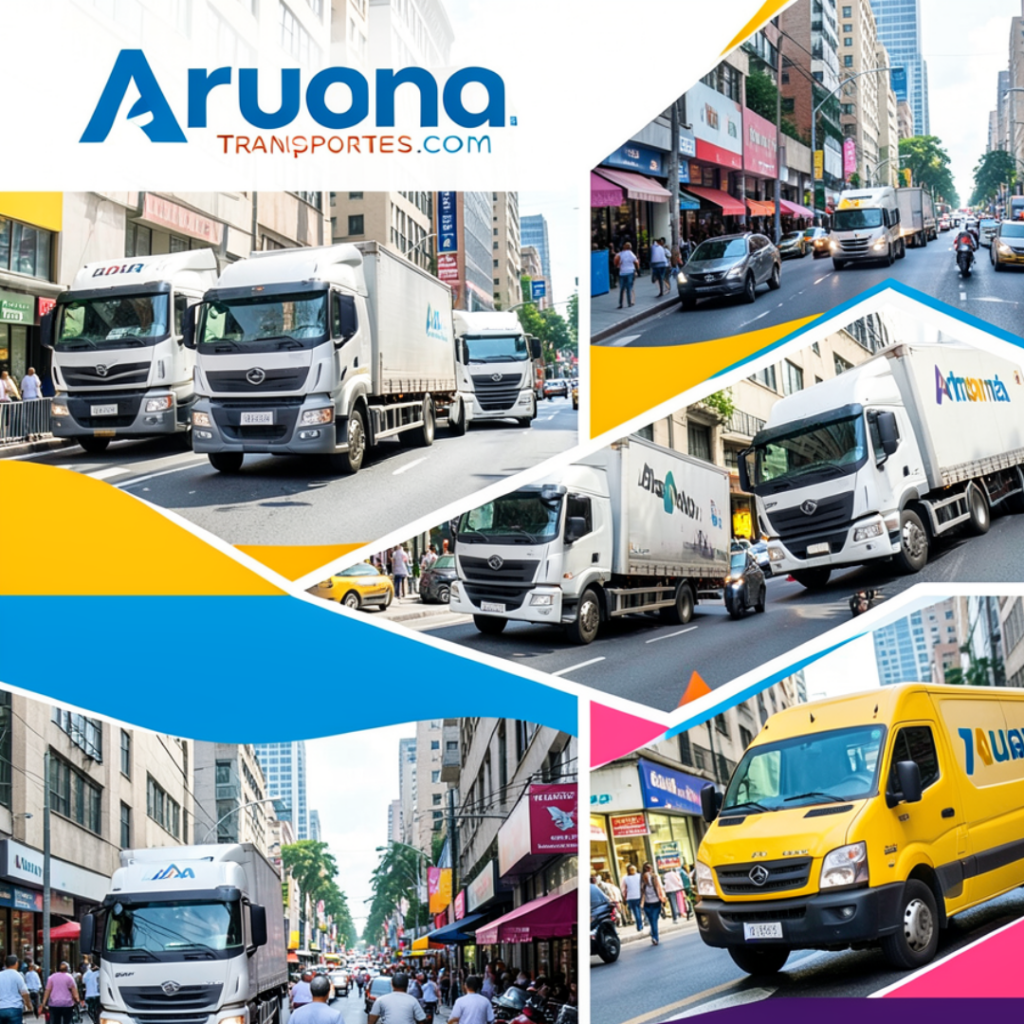
Road transport is the primary mode for home delivery. Vans, motorcycles, and small trucks navigate city streets to reach residential areas. Motorcycles are especially popular for food and small parcel deliveries because they can bypass traffic congestion.
Route optimization software is widely used to ensure efficient delivery paths and minimize fuel consumption.
Role of Technology and Digital Platforms
Technology is at the heart of Brazil’s home delivery ecosystem. Mobile apps, GPS tracking, and digital payment systems have transformed how deliveries are managed and experienced.
Customers can place orders, track drivers in real time, receive delivery notifications, and make payments seamlessly through apps.
Logistics companies use transport management systems (TMS) and data analytics to forecast demand, allocate drivers, and optimize delivery routes.
Artificial intelligence is increasingly used to predict peak order times, helping companies prepare adequate delivery capacity in advance.
Digital proof of delivery, including photos and electronic signatures, enhances reliability and trust in the system.
Last-Mile Delivery Challenges
Last-mile delivery is the most complex and expensive part of the home delivery process. In Brazil, several factors make this stage particularly challenging.
Traffic congestion in major cities increases delivery time and fuel costs. Narrow streets, apartment complexes, and limited parking spaces further complicate access to homes.
Security concerns in certain neighborhoods require delivery personnel to take extra precautions. Some areas may be difficult to access without local knowledge.
Address standardization can also be an issue in informal settlements or rapidly expanding suburbs, making navigation more difficult for delivery drivers.
Despite these challenges, companies continue to innovate to improve last-mile efficiency.
Workforce and Gig Economy Participation
A significant portion of home delivery services in Brazil relies on gig economy workers. Independent couriers use their own motorcycles or bicycles to complete deliveries for digital platforms.
This model provides flexibility and scalability, allowing companies to handle fluctuations in order volume. It also creates income opportunities for thousands of workers across cities.
However, it also raises questions about labor rights, safety, and fair compensation, leading to ongoing discussions about regulation and worker protection.
Consumer Expectations and Service Quality
Brazilian consumers increasingly expect fast, reliable, and transparent delivery services. Same-day and even one-hour deliveries are becoming common in major cities.
Real-time tracking and clear communication are now standard expectations. Customers want to know exactly when their package or meal will arrive.
Customer service quality, careful handling of goods, and punctuality strongly influence brand loyalty and platform reputation.
Sustainability in Home Delivery
Sustainability is becoming an important focus in the home delivery sector. Companies are adopting eco-friendly practices to reduce environmental impact.
Motorcycles and bicycles already offer lower emissions compared to large vehicles. Some companies are experimenting with electric bikes and electric vans for urban deliveries.
Route optimization reduces fuel consumption and carbon footprint. Recyclable packaging materials are also being introduced for parcel deliveries.
Sustainable practices not only benefit the environment but also help reduce operational costs over time.
Expansion Beyond Major Cities
While home delivery services are highly developed in major metropolitan areas, they are gradually expanding into smaller cities and towns.
Improved internet access and smartphone usage are enabling more people to access digital delivery platforms. Local businesses are partnering with logistics providers to offer home delivery even in less urbanized regions.
This expansion is creating new opportunities for logistics companies and improving convenience for residents outside major cities.
Future Trends in Home Delivery
The future of home delivery in Brazil is expected to be shaped by automation, data analytics, and infrastructure improvements.
Drone deliveries and autonomous vehicles are being explored globally and may eventually become part of Brazil’s logistics landscape.
Micro-fulfillment centers will continue to grow, allowing faster deliveries within urban neighborhoods.
Artificial intelligence will further optimize logistics planning, predicting demand and improving efficiency.
Integration between retailers, logistics providers, and digital platforms will create more seamless delivery experiences for consumers.
Home delivery services in Brazil have become an essential part of modern urban life, driven by technology, consumer demand, and logistics innovation. From food and groceries to e-commerce parcels and appliances, delivery networks are connecting businesses directly with households across the country.
Despite challenges such as traffic congestion, infrastructure limitations, and last-mile complexities, continuous innovation is improving efficiency and service quality.
As digital adoption increases and logistics systems evolve, home delivery services in Brazil are set to become faster, more sustainable, and more accessible, reshaping the way consumers shop and receive goods in their daily lives.