
Commercial freight brokerage services in Brazil play a crucial role in bridging the gap between businesses that need to transport goods and the carriers that move those goods across the country. In a logistics environment as complex as Brazil’s—marked by vast distances, infrastructure limitations, regulatory variations, and fluctuating transport capacity—freight brokers act as essential intermediaries that streamline operations, reduce costs, and improve efficiency.
As Brazil continues to grow as a global leader in agriculture, mining, manufacturing, and e-commerce, freight brokerage services have become increasingly important for optimizing supply chain performance. These services help companies navigate logistical challenges while ensuring that cargo moves safely, efficiently, and cost-effectively across domestic and international routes.
Understanding Freight Brokerage in the Brazilian Context
Freight brokerage refers to the service of connecting shippers (companies that need to transport goods) with carriers (trucking companies, rail operators, shipping lines, and air freight providers). Brokers do not own transportation assets themselves; instead, they leverage their network of carriers to match supply with demand.
In Brazil, freight brokerage services are especially valuable due to:
- Fragmented transportation networks
- High dependence on road freight
- Regional infrastructure disparities
- Seasonal fluctuations in cargo demand
- Complex regulatory and tax systems
Freight brokers simplify logistics by managing negotiations, documentation, pricing, and coordination between multiple stakeholders.
Role of Freight Brokers in Brazil’s Logistics Ecosystem
Freight brokers act as intermediaries that ensure smooth coordination across the supply chain. Their responsibilities typically include:
- Identifying suitable carriers for shipments
- Negotiating freight rates and contracts
- Managing transportation schedules
- Tracking shipments in real time
- Handling documentation and compliance requirements
- Resolving operational disruptions
By centralizing these functions, brokers help businesses reduce administrative burden and focus on core operations such as production and sales.
Importance of Freight Brokerage in Brazil’s Transportation Network
Brazil’s logistics system is highly dependent on road transport, which accounts for a large share of domestic freight movement. However, challenges such as traffic congestion, infrastructure limitations, and long-distance routes create inefficiencies.
Freight brokerage services help address these challenges by:
- Optimizing carrier selection based on route efficiency
- Reducing empty return trips (backhauls)
- Improving asset utilization across trucking fleets
- Providing access to a wider network of transport providers
- Offering flexibility during peak demand seasons
This is particularly important in agricultural regions like Mato Grosso and Goiás, where seasonal harvests create sudden spikes in freight demand.
Key Components of Freight Brokerage Services
Freight brokerage operations in Brazil typically involve several interconnected functions that ensure efficient logistics execution.
Carrier Network Management
Freight brokers maintain extensive databases of verified carriers. These networks include:
- Independent trucking companies
- Large logistics operators
- Specialized carriers for refrigerated or hazardous goods
- Regional transport providers
This allows brokers to quickly match shipments with appropriate transport options based on cost, capacity, and timing.
Rate Negotiation and Cost Optimization
One of the primary functions of freight brokers is negotiating competitive rates. They use market knowledge, historical pricing data, and carrier relationships to secure cost-effective transportation solutions.
This helps businesses:
- Reduce logistics expenses
- Avoid volatile spot market pricing
- Secure long-term contracts with stable rates
Shipment Coordination and Dispatching
Freight brokers coordinate the entire shipment lifecycle, including pickup scheduling, route assignment, and delivery tracking. This ensures that shipments move efficiently from origin to destination without unnecessary delays.
Documentation and Compliance Support
Brazil has a complex regulatory environment for freight transportation, including requirements such as:
- Electronic Freight Bill (CT-e)
- Electronic Invoice (Nota Fiscal Eletrônica)
- Tax documentation (ICMS compliance)
- Cargo registration systems
Freight brokers assist in ensuring that all documentation is accurate and compliant with state and federal regulations.
Technology in Freight Brokerage Services
Digital transformation has significantly reshaped freight brokerage in Brazil. Modern brokers rely on advanced technologies to improve efficiency and transparency.
Digital Freight Platforms
Online platforms connect shippers and carriers in real time, allowing for:
- Instant load posting and bidding
- Automated carrier matching
- Real-time shipment tracking
- Digital contract management
Transportation Management Systems (TMS)
TMS platforms help brokers manage operations more efficiently by integrating:
- Order processing
- Route optimization
- Carrier management
- Performance analytics
Artificial Intelligence and Predictive Analytics
AI tools are increasingly used to:
- Forecast freight demand
- Predict pricing trends
- Optimize route planning
- Identify potential delays or disruptions
These technologies enable brokers to make data-driven decisions and improve service reliability.
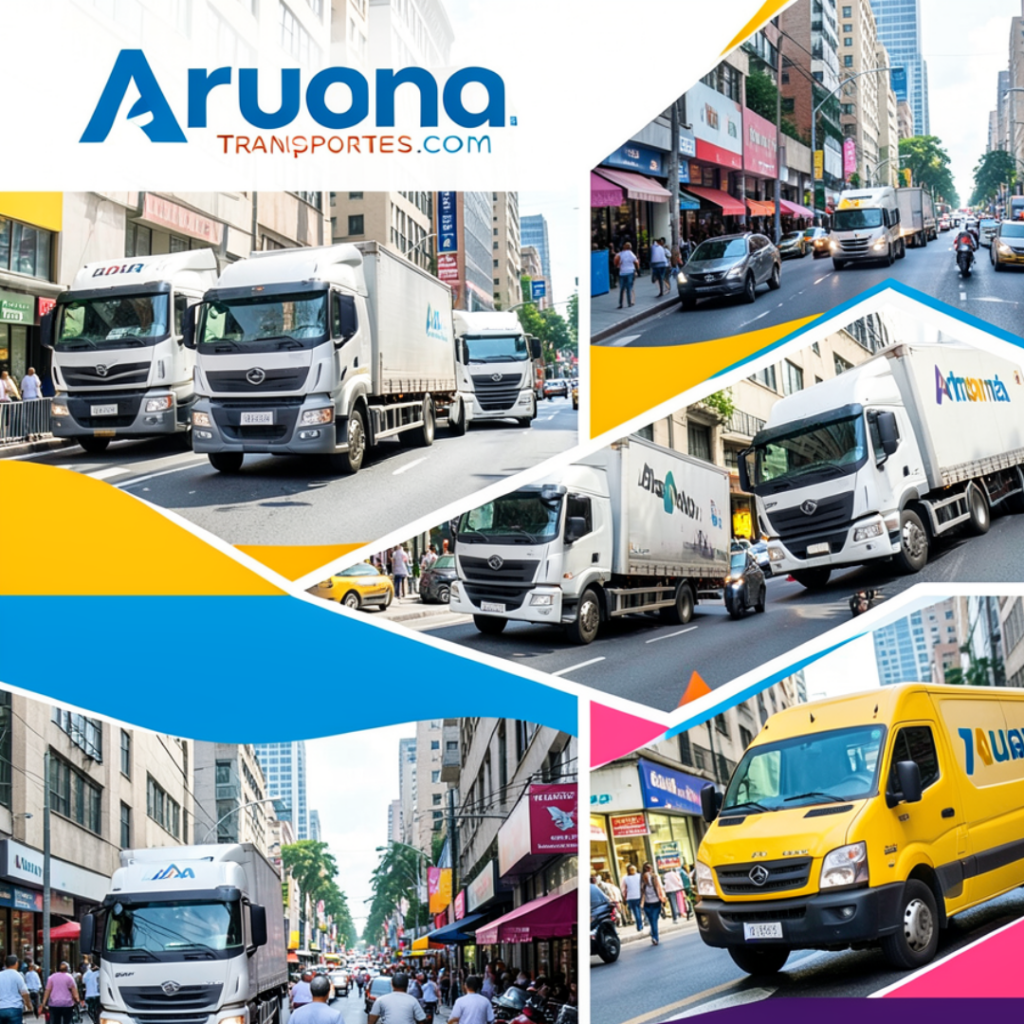
Challenges in Freight Brokerage in Brazil
Despite its importance, freight brokerage in Brazil faces several challenges that impact efficiency and scalability.
Infrastructure Limitations
Road conditions vary significantly across regions, with some highways poorly maintained. This affects delivery times and increases operational risk.
Market Fragmentation
The Brazilian freight market consists of many small and medium-sized carriers, making it difficult to standardize service quality and pricing.
Regulatory Complexity
Freight brokers must navigate a complex system of taxes and documentation requirements that vary between states, increasing administrative workload.
Cargo Theft and Security Risks
Cargo theft remains a major concern in Brazil, particularly for high-value goods transported through urban and highway corridors. Brokers must carefully select secure carriers and routes.
Price Volatility
Freight rates in Brazil can fluctuate due to fuel prices, seasonal demand, and carrier availability, making cost prediction challenging.
Benefits of Freight Brokerage for Businesses
Despite these challenges, freight brokerage services offer significant advantages for shippers and businesses operating in Brazil.
Cost Efficiency
Brokers help businesses secure competitive rates by leveraging their carrier networks and market expertise.
Operational Flexibility
Companies can scale transportation capacity up or down based on demand without investing in their own fleet.
Improved Visibility
Modern brokerage platforms provide real-time tracking and reporting, improving supply chain transparency.
Reduced Administrative Burden
Brokers handle logistics coordination, documentation, and compliance, allowing businesses to focus on core operations.
Role of Freight Brokerage in Agriculture and Export Sectors
Brazil’s agricultural industry is one of the largest in the world, and freight brokerage plays a vital role in connecting farms to export terminals.
Key agricultural freight activities include:
- Transporting soybeans, corn, and sugarcane to ports
- Coordinating seasonal harvest logistics
- Managing refrigerated transport for perishable goods
Similarly, in the mining sector, brokers coordinate bulk transport of iron ore and other minerals from inland mines to coastal ports.
These sectors rely heavily on brokerage services to manage seasonal demand spikes and long-distance transportation requirements.
Sustainability in Freight Brokerage
Sustainability is becoming an important focus in Brazil’s logistics industry. Freight brokers contribute by:
- Optimizing routes to reduce fuel consumption
- Encouraging load consolidation to minimize trips
- Partnering with carriers that use fuel-efficient or low-emission vehicles
- Supporting multimodal transport solutions (rail and waterway integration)
Sustainable freight brokerage not only reduces environmental impact but also improves long-term cost efficiency.
Future Trends in Freight Brokerage Services in Brazil
The freight brokerage industry in Brazil is expected to evolve significantly in the coming years due to technological advancements and market changes.
Increased Digitalization
More brokerage operations will move to fully digital platforms, reducing manual processes and improving efficiency.
AI-Driven Logistics Optimization
Artificial intelligence will play a larger role in automating carrier selection, pricing, and route planning.
Blockchain for Transparency
Blockchain technology may be used to create secure, transparent records of freight transactions and shipment history.
Expansion of Intermodal Solutions
Freight brokers will increasingly coordinate multimodal transport involving road, rail, and waterways to improve efficiency.
Greater Focus on Sustainability
Environmental regulations and corporate sustainability goals will drive demand for greener logistics solutions.
Commercial freight brokerage services in Brazil are an essential part of the country’s logistics ecosystem. By connecting shippers with carriers, optimizing transportation costs, and managing complex regulatory requirements, freight brokers play a key role in ensuring the smooth flow of goods across one of the world’s most challenging logistics environments.
Despite challenges such as infrastructure limitations, regulatory complexity, and security risks, the industry continues to evolve through digital transformation and technological innovation. As Brazil’s economy expands and supply chains become more complex, freight brokerage services will remain a critical driver of efficiency, flexibility, and competitiveness in the national and global logistics landscape.