
The commercial supply chain in Brazil is a complex, multi-modal system that connects farms, factories, ports, warehouses, distributors, and retailers across one of the world’s largest and most resource-rich nations. As South America’s biggest economy, Brazil depends on efficient supply chain coordination to move agricultural exports, industrial goods, minerals, energy products, and consumer merchandise domestically and internationally.
From soybean fields in the interior to container terminals on the coast, Brazil’s supply chain integrates road, rail, sea, air, and inland waterway networks. Continuous modernization, digitalization, and private investment are reshaping how goods flow through the country—reducing costs, improving visibility, and strengthening Brazil’s role in global trade.
The Structure of Brazil’s Commercial Supply Chain
Brazil’s supply chain typically follows a five-stage flow:
- Production and Sourcing – Farms, mines, refineries, and factories generate raw materials and finished goods.
- Primary Transport – Road or rail moves cargo to consolidation hubs, dry ports, or warehouses.
- Warehousing and Distribution – Goods are stored, sorted, and prepared for domestic or export distribution.
- Port/Airport Handling – Cargo is processed for international shipping or rapid air delivery.
- Last-Mile and Retail Distribution – Products reach wholesalers, retailers, or end customers.
Because production centers are often far from coastal ports, coordination across modes is essential to avoid delays and excess handling.
Key Export-Driven Supply Chains
Brazil’s global trade leadership shapes its commercial supply chain priorities.
- Agribusiness: Soybeans, corn, sugar, coffee, beef, and poultry move in massive volumes from inland farms to export ports.
- Mining: Iron ore and minerals travel by dedicated rail corridors to maritime terminals.
- Energy: Oil, ethanol, and chemicals rely on pipelines, tankers, and specialized terminals.
- Manufacturing: Automotive parts, machinery, and consumer goods flow between industrial zones and distribution centers.
These sectors require tailored logistics strategies for bulk, containerized, refrigerated, and hazardous cargo.
Ports as Supply Chain Gateways
Ports are critical control points in Brazil’s supply chain, where inland logistics meet global shipping lanes.
The Port of Santos is the country’s primary container and bulk export hub, linking producers to markets in Asia, Europe, and North America. Advanced terminals, bonded storage, and digital scheduling systems reduce vessel turnaround times.
Further north, the Port of Itaqui shortens export routes for central and northern producers, easing highway congestion and cutting freight time.
Port performance significantly affects overall supply chain reliability and export competitiveness.
Road and Rail Integration
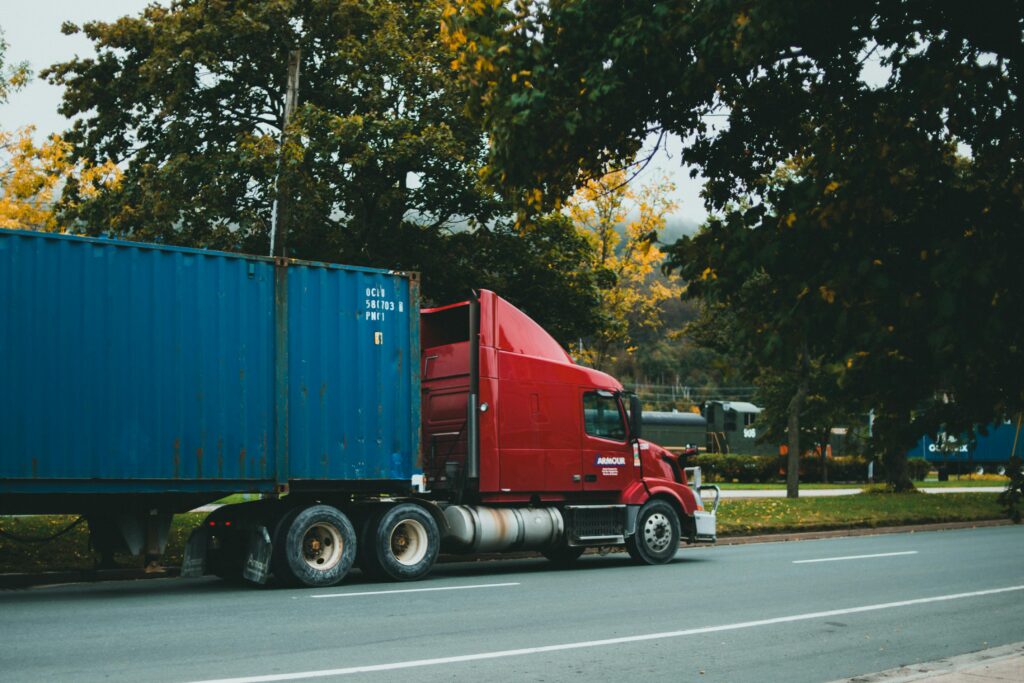
Road freight remains the dominant domestic transport mode, connecting remote production regions to logistics hubs. Highways such as BR-116 act as commercial lifelines for trucks carrying containers, grains, and industrial goods.
Rail is increasingly used for long-distance, high-volume cargo. The Ferrovia Norte-Sul integrates agricultural and mining zones with port terminals, lowering per-ton transport costs and improving transit predictability.
Intermodal terminals where rail meets road are becoming essential supply chain nodes, reducing cargo handling time and damage risk.
Warehousing and Distribution Centers
Modern warehouses are central to Brazil’s supply chain efficiency. Located near highways, railheads, and urban markets, these facilities provide:
- Inventory management and order fulfillment
- Cold storage for perishables
- Cross-docking for faster redistribution
- Bonded storage for imports and exports awaiting clearance
Large distribution parks near São Paulo, Rio de Janeiro, and southern industrial corridors enable rapid replenishment of retail and wholesale markets.
Air Cargo for High-Value Supply Chains
For pharmaceuticals, electronics, and urgent shipments, air freight plays a key role. São Paulo/Guarulhos International Airport operates dedicated cargo terminals with temperature-controlled zones and streamlined customs processing, supporting fast international and domestic distribution.
Air cargo strengthens supply chains that depend on speed, reliability, and product integrity.
Regulatory Oversight and Compliance
Brazil’s supply chain operations are governed by multiple regulators to ensure safety, transparency, and efficiency:
- Receita Federal do Brasil – Customs clearance and trade documentation
- Agência Nacional de Transportes Terrestres (ANTT) – Road and rail transport standards
- Agência Nacional de Transportes Aquaviários (ANTAQ) – Port and maritime oversight
Digital documentation systems and electronic freight invoices are reducing paperwork and customs delays across the supply chain.
Technology and Digital Transformation
Digital tools are transforming Brazil’s commercial supply chain:
- GPS fleet tracking for real-time visibility
- Warehouse Management Systems (WMS) for inventory accuracy
- Electronic Data Interchange (EDI) for documentation
- Port community systems for scheduling and coordination
- Data analytics for route and demand optimization
These technologies minimize delays, reduce losses, and improve decision-making.
Challenges in the Brazilian Supply Chain
Despite modernization, several challenges remain:
- Long distances between production areas and ports
- Seasonal congestion during harvest periods
- Infrastructure gaps in remote regions
- High logistics costs compared to global averages
- Environmental and regulatory approval delays for new projects
Businesses often mitigate these issues through multimodal planning and strategic warehouse placement.
Sustainability in the Supply Chain
Brazil is increasingly focusing on greener logistics practices:
- Shifting freight from road to rail and waterways
- Using energy-efficient warehouse designs
- Electrifying cargo handling equipment at ports
- Reducing empty truck returns through better planning
Sustainable supply chain practices lower emissions while improving cost efficiency.
The Role of Private Investment
Public–private partnerships and concession models have accelerated improvements in highways, railways, ports, and logistics parks. Private operators bring capital, automation, and international best practices that enhance supply chain performance nationwide.
Future Outlook
The future of Brazil’s commercial supply chain lies in deeper intermodal integration, expanded rail networks, smarter ports, and AI-driven logistics planning. As infrastructure improves and digital systems mature, Brazil is set to reduce logistics bottlenecks and strengthen its position in global commerce.
The commercial supply chain in Brazil is a dynamic system linking vast production landscapes with global markets. From inland farms and mines to advanced port terminals and air cargo hubs, every component plays a strategic role in ensuring goods move efficiently, safely, and cost-effectively.
With ongoing investments, regulatory modernization, and digital innovation, Brazil’s supply chain is becoming more resilient, transparent, and competitive. For businesses operating in trade, manufacturing, or logistics, understanding this evolving ecosystem is essential to achieving reliable operations and long-term success.