
Third party logistics (3PL) in Brazil has evolved into a critical service layer that enables companies to outsource transportation, warehousing, distribution, compliance, and visibility to specialized providers. In a country where distances are vast, road freight dominates, and tax rules vary by state, 3PL partners bring expertise, infrastructure, and technology that simplify complex supply chains. From industrial flows in São Paulo to agribusiness corridors in Mato Grosso and export routing through the Port of Santos, 3PL companies orchestrate end-to-end logistics for manufacturers, retailers, healthcare firms, food processors, and e-commerce brands.
By combining transport management, distribution centers, digital tracking, and regulatory compliance, 3PL providers allow businesses to focus on their core operations while ensuring goods move reliably across Brazil’s extensive highway network.
What 3PL Means in the Brazilian Context
In Brazil, third party logistics goes far beyond hiring a carrier. A 3PL partner typically manages:
- Freight procurement and carrier coordination
- Transportation planning and route optimization
- Warehousing, cross-docking, and inventory control
- Order fulfillment and last-mile distribution
- Electronic documentation and tax compliance (CT-e, MDF-e)
- Real-time shipment visibility and reporting
Because interstate documentation and road conditions vary, the operational knowledge of a 3PL becomes a competitive advantage for shippers.
Road Freight as the Operational Core
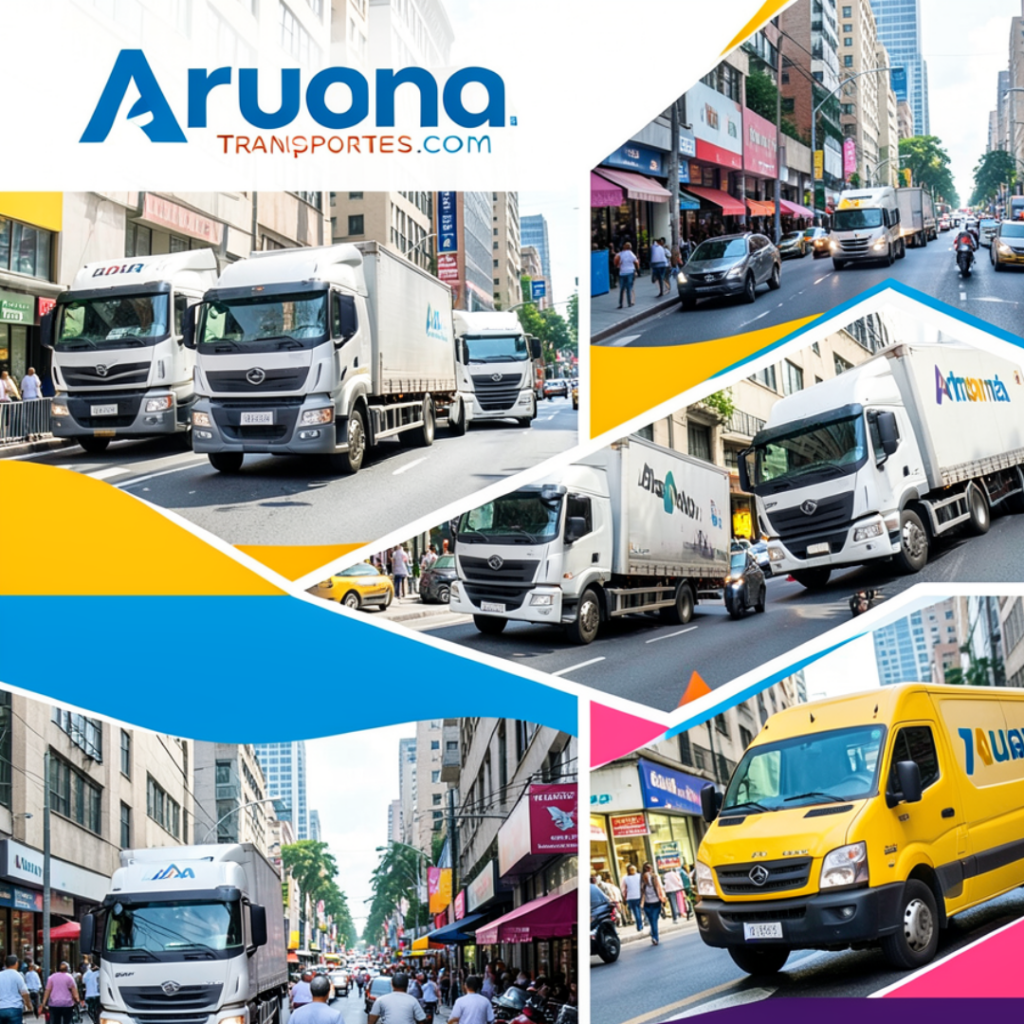
Most 3PL activity in Brazil is road-centric. Trucks connect factories, suppliers, ports, and distribution hubs across thousands of kilometers. 3PL providers maintain networks of vetted carriers, including large fleets and autonomous drivers (caminhoneiros), to guarantee capacity during both normal cycles and seasonal peaks.
Freight flows often link production in Minas Gerais and Paraná with consumption centers such as São Paulo and Rio de Janeiro, coordinated centrally by the 3PL’s transport control tower.
Warehousing and Distribution Management
A defining strength of 3PL providers is their network of strategically located warehouses and logistics parks. These facilities support:
- Inbound receiving and quality checks
- Palletized and bulk storage
- Cold chain areas for food and pharmaceuticals
- Cross-docking for fast-moving goods
- Pick, pack, and dispatch for retail and e-commerce
By positioning inventory closer to markets, 3PLs reduce lead times and transportation costs for their clients.
Port and Export Coordination
For export-oriented businesses, 3PLs synchronize truck arrivals with port schedules to avoid delays and penalties. The Port of Santos is a central node in many 3PL networks, receiving daily truckloads of containerized and bulk cargo.
Additional maritime links commonly managed by 3PL providers include:
- Port of Paranaguá
- Port of Rio Grande
- Port of Itaqui
Accurate scheduling, documentation, and yard management are essential to keep export timelines intact.
Technology and Visibility
Modern 3PL operations in Brazil rely heavily on digital platforms:
- Transportation Management Systems (TMS) for routing and carrier KPIs
- Warehouse Management Systems (WMS) for stock accuracy
- GPS tracking and geofencing for cargo security
- Client dashboards for real-time shipment status
- Analytics for demand forecasting and performance improvement
These systems provide transparency that many companies cannot easily build in-house.
Managing Carrier Networks
A core value of 3PLs is their ability to aggregate and manage carrier capacity. They maintain relationships with large fleet operators while also onboarding independent truckers during high-demand periods such as harvest seasons. This hybrid model ensures flexibility without compromising service reliability.
3PLs also enforce safety standards, insurance coverage, and compliance checks across their carrier base.
Urban Distribution and Last-Mile Services
In metropolitan regions like Belo Horizonte and Curitiba, 3PL providers operate last-mile networks using light and medium vehicles. These fleets deliver to retail outlets, hospitals, offices, and residential customers, supporting both traditional distribution and e-commerce fulfillment.
Route optimization and time-window management are crucial in dense urban traffic conditions.
Compliance and Documentation Expertise
Brazil’s complex tax framework and transport documentation requirements are major pain points for shippers. 3PLs handle electronic invoices, freight manifests, and interstate compliance checks to prevent delays at checkpoints and avoid penalties.
This administrative capability is often as valuable as the physical transport service.
Challenges Addressed by 3PL Providers
3PL companies help clients navigate persistent logistics challenges:
- Variable road quality across regions
- Port and city congestion
- Cargo theft risks on specific corridors
- Fuel price fluctuations
- Seasonal capacity shortages
Through route planning, staging yards, insurance, and predictive analytics, 3PLs maintain service continuity.
Multimodal Coordination
Although road transport dominates, 3PLs increasingly integrate rail and waterways into long-haul plans. Trucks perform first-mile pickup and last-mile delivery to intermodal terminals, reducing costs for bulk or long-distance shipments.
Sustainability Initiatives
Leading 3PL providers promote fuel-efficient fleets, preventive maintenance, load optimization, and pilot programs for electric vehicles in cities. These steps reduce emissions while improving operating efficiency.
Industries Served by 3PL in Brazil
3PL services support a wide spectrum of industries:
- Agribusiness and food processing
- Retail and consumer goods
- Pharmaceuticals and healthcare
- Mining and construction materials
- Chemicals and fuels
- E-commerce and omnichannel retail
Each industry benefits from tailored storage, handling, and transport solutions.
Strategic Value for Businesses
Outsourcing to a 3PL allows companies to scale operations quickly, enter new regions without heavy infrastructure investment, and gain access to advanced logistics technology. It converts fixed logistics costs into variable, performance-based services.
The Future of 3PL in Brazil
Highway concessions, warehouse automation, digital freight platforms, and analytics-driven planning are enhancing 3PL capabilities. As Brazil’s trade volumes grow, 3PL providers will play an even larger role in ensuring fast, compliant, and cost-effective supply chains.
Third party logistics in Brazil is a comprehensive service ecosystem that integrates transportation, warehousing, compliance, and technology into seamless supply chain execution. By leveraging carrier networks, logistics parks, and digital visibility, 3PL providers enable businesses to move goods efficiently across vast distances and complex regulatory landscapes.
As infrastructure and technology continue to improve, 3PL partnerships will remain essential for companies seeking reliability, scalability, and competitive advantage in Brazil’s dynamic market.