
Commercial logistics in Brazil is the engine that keeps production, trade, retail, and exports running across one of the largest economies in the world. With industries scattered across agricultural interiors, industrial megacities, mining belts, and coastal ports, Brazil depends on a complex but highly adaptive logistics network to connect supply with demand. From farm gates to factory floors and from distribution centers to international terminals, commercial logistics integrates road, port, warehouse, and digital systems into a unified flow of goods.
As domestic consumption grows and export volumes expand, logistics has become a strategic function for Brazilian businesses seeking speed, reliability, and cost efficiency.
The Central Role of Road Freight
Commercial logistics in Brazil is heavily road-centric. Trucks move the majority of domestic cargo because they offer flexibility across long distances and varied terrains. Federal highways connect producers to markets, while regional roads enable last-mile access to towns, retail outlets, and warehouses.
High-capacity corridors such as BR-116 link major industrial zones and consumer markets, allowing manufacturers to distribute goods nationwide. This dependence on trucking has led logistics providers to specialize in fleet management, route optimization, and freight consolidation.
Port Logistics and Export Supply Chains
Brazil’s status as a global exporter of soybeans, coffee, meat, iron ore, and sugar relies on strong port logistics. The Port of Santos is the country’s largest maritime gateway, receiving thousands of truckloads of cargo daily from inland states.
Commercial logistics providers coordinate:
- Container drayage to terminals
- Cargo staging and scheduling
- Customs documentation and clearance
- Warehouse buffering near ports
- Real-time truck arrival management
This tight synchronization reduces port congestion and speeds up vessel loading cycles.
Warehousing and Distribution Networks
Strategically located warehouses are the backbone of commercial logistics. Distribution centers are typically built near highways and urban clusters to shorten delivery times and reduce transportation costs.
Modern Brazilian warehouses offer:
- Inventory management systems (WMS)
- Cross-docking for rapid transfers
- Cold storage for perishables
- High-rack storage for industrial goods
- Automated picking and packing lines
These facilities serve retail chains, eCommerce companies, manufacturers, and importers alike.
Governance and Compliance
The regulatory environment for commercial logistics is overseen by the Agência Nacional de Transportes Terrestres (ANTT). Digital freight documentation such as CT-e and MDF-e ensures traceability, tax compliance, and cargo transparency across states.
Logistics companies must comply with:
- Carrier registration rules
- Freight insurance norms
- Electronic invoicing and documentation
- Safety and vehicle standards
Digital compliance has significantly reduced paperwork and improved operational efficiency.
Role of 3PL and 4PL Providers
Third-party logistics (3PL) and fourth-party logistics (4PL) companies are essential to Brazil’s commercial supply chains. Businesses outsource logistics to specialists who manage end-to-end operations, including transport, warehousing, documentation, and tracking.
These providers add value through:
- Freight consolidation
- Multimodal coordination
- Carrier performance monitoring
- Cost optimization strategies
- Technology integration for visibility
This allows manufacturers and retailers to focus on their core business while logistics experts handle complexity.
Technology Driving Logistics Efficiency
Digital transformation is reshaping commercial logistics across Brazil. Companies use:
- GPS and telematics for fleet tracking
- Transport management systems (TMS)
- Warehouse management systems (WMS)
- Freight marketplaces for instant carrier booking
- Real-time delivery updates for customers
Data analytics helps identify delays, optimize routes, and forecast demand patterns, leading to faster and more reliable deliveries.
Specialized Logistics for Key Industries
Different industries require tailored logistics solutions:
Agriculture
Bulk transport from farms to silos, processing plants, and ports requires high-capacity trucks and coordinated scheduling during harvest seasons.
Oil and Fuel
Distribution from refineries operated by Petrobras depends on tanker fleets with strict safety standards.
Retail and eCommerce
Fast urban deliveries, micro-warehousing, and route optimization support growing consumer expectations.
Pharmaceuticals and Food
Cold-chain logistics with temperature monitoring ensures product integrity.
Mining and Heavy Industry
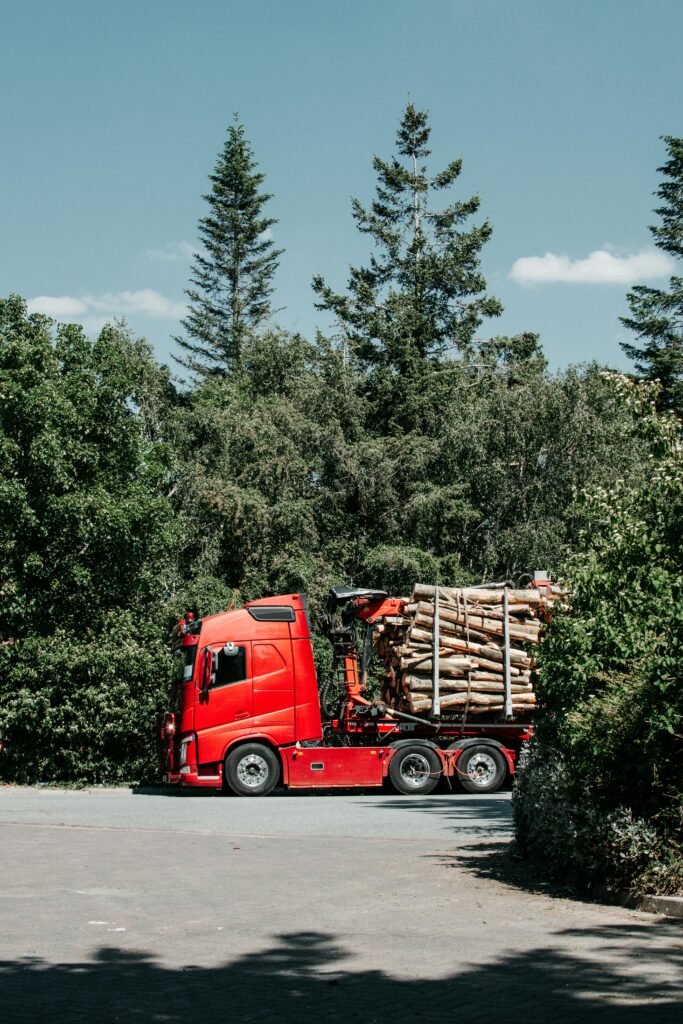
Oversized cargo handling and specialized trailers are used for machinery and mineral transport.
Urban Logistics and Last-Mile Delivery
Major cities face congestion challenges, prompting innovative last-mile solutions:
- Urban cross-docking hubs
- Night-time delivery schedules
- Smaller delivery vehicles and vans
- Electric vehicles for short routes
- Smart routing to avoid traffic hotspots
These solutions reduce delays and improve customer satisfaction.
Security and Risk Mitigation
Cargo theft and road safety are ongoing concerns in certain regions. Commercial logistics providers mitigate risk through:
- Advanced GPS monitoring
- Geofencing and route control
- Secured parking zones
- Cargo insurance coverage
- Driver safety training
These practices protect goods and maintain service reliability.
Multimodal Logistics Integration
Although roads dominate, commercial logistics increasingly combines rail and coastal shipping for long distances, with trucks managing first and last miles. This multimodal strategy lowers costs and environmental impact while maintaining flexibility.
Containers transported by rail to inland terminals are distributed locally by truck, creating a balanced logistics ecosystem.
Sustainability in Commercial Logistics
Environmental awareness is influencing logistics decisions. Companies adopt:
- Biodiesel and ethanol fuel blends
- Fuel-efficient fleet upgrades
- Carbon footprint tracking
- Eco-driving programs
- Electric vehicles for urban routes
Sustainable practices are becoming a competitive advantage for logistics providers.
Economic Importance of Commercial Logistics
Efficient logistics directly impacts Brazil’s economy by:
- Stabilizing food and consumer prices
- Supporting export competitiveness
- Enabling nationwide retail distribution
- Generating millions of jobs
- Encouraging regional economic integration
Disruptions in logistics quickly ripple through markets, highlighting its strategic importance.
Future Outlook
Commercial logistics in Brazil is moving toward greater automation, data intelligence, and infrastructure modernization. Expected developments include:
- AI-driven route and demand planning
- Smart toll systems and digital highways
- Expanded warehouse automation
- Stronger multimodal corridors
- Wider adoption of green transport technologies
These advancements will enhance speed, transparency, and cost control across supply chains.
Commercial logistics in Brazil is a sophisticated network that connects producers, businesses, ports, and consumers across immense distances. Anchored by road freight, strengthened by port and warehouse infrastructure, and accelerated by digital innovation, the system enables the steady flow of goods that powers the national economy.
As technology adoption rises and infrastructure improves, Brazil’s commercial logistics sector will continue to evolve, delivering faster, safer, and more sustainable supply chain solutions for domestic and global trade.