
Business-to-business (B2B) transport in Brazil is the invisible engine that keeps factories supplied, retailers stocked, exporters moving, and industries synchronized across a continental landscape. From agricultural producers in the interior to manufacturers in major urban belts and exporters along the coast, companies depend on reliable transport partners to move raw materials, components, finished goods, and specialized cargo on strict schedules.
Because Brazil’s production centers are geographically dispersed and its rail network is limited for general cargo, B2B logistics is predominantly road-based, supported by strategic warehousing, port connectivity, and growing digital coordination between shippers and carriers.
Why Road Transport Dominates B2B Logistics
Brazil’s B2B transport ecosystem relies heavily on trucking due to flexibility, door-to-door reach, and adaptability across terrains. Federal corridors such as BR-116 connect industrial zones, distribution hubs, and consumer markets, enabling manufacturers to ship nationwide without modal transfers.
For B2B operations, this means:
- Direct pickup from factories and farms
- Scheduled deliveries to warehouses and retail DCs
- Reduced handling and transfer risks
- Faster response to urgent replenishment needs
This agility is essential for industries operating on lean inventories and just-in-time principles.
Integration with Ports and Export Supply Chains
Many Brazilian B2B shipments ultimately feed export channels. The Port of Santos acts as a primary gateway where trucks deliver containers, bulk commodities, and palletized goods from inland states.
B2B transport providers coordinate tightly with port terminals to manage:
- Timed gate entries
- Container drayage and staging
- Documentation and customs readiness
- Queue avoidance through digital scheduling
This coordination reduces dwell time and ensures exporters meet vessel cut-off deadlines.
Regulatory Backbone and Digital Compliance
Oversight from the Agência Nacional de Transportes Terrestres (ANTT) ensures standardized practices in freight documentation, carrier registration, and safety compliance. Electronic documents such as CT-e and MDF-e are mandatory, allowing seamless data sharing between shippers, carriers, and tax authorities.
For B2B shippers, this translates into:
- Faster billing and reconciliation
- Transparent shipment tracking
- Reduced paperwork errors
- Easier audits and compliance checks
Digital compliance is now a foundational part of transport operations.
Role of Transport Brokers and 3PL Providers
B2B transport is often orchestrated by brokers and third-party logistics (3PL) providers who match cargo with suitable carriers. These intermediaries add value through:
- Carrier vetting and performance tracking
- Freight consolidation to reduce costs
- Multimodal planning for long hauls
- Real-time shipment monitoring
- Risk and insurance coordination
Manufacturers and wholesalers benefit from professional logistics management without maintaining their own fleets.
Technology Platforms Transforming B2B Freight
Digital freight platforms have revolutionized how B2B shipments are booked and tracked in Brazil. Shippers can now post loads, receive instant quotes, and monitor deliveries through centralized dashboards.
Core capabilities include:
- GPS-based vehicle tracking
- Automated proof of delivery
- Route optimization using traffic data
- Digital invoicing and payments
- Performance analytics for carriers
This transparency improves reliability and reduces delays in industrial supply chains.
Specialized B2B Transport by Industry
Different sectors demand tailored transport solutions:
Agriculture and Food Processing
Bulk and palletized movements from farms to processing plants and warehouses, often requiring high-capacity trailers and seasonal surge planning.
Energy and Fuel Distribution
Tanker fleets distribute fuels from refineries run by Petrobras, adhering to strict safety and compliance standards.
Automotive and Manufacturing
Just-in-time deliveries of components to assembly lines, where delays can halt production.
Pharmaceuticals and Perishables
Temperature-controlled vehicles with continuous monitoring for cold-chain integrity.
Construction and Heavy Industry
Oversized cargo, machinery, and raw materials moved with specialized trailers and permits.
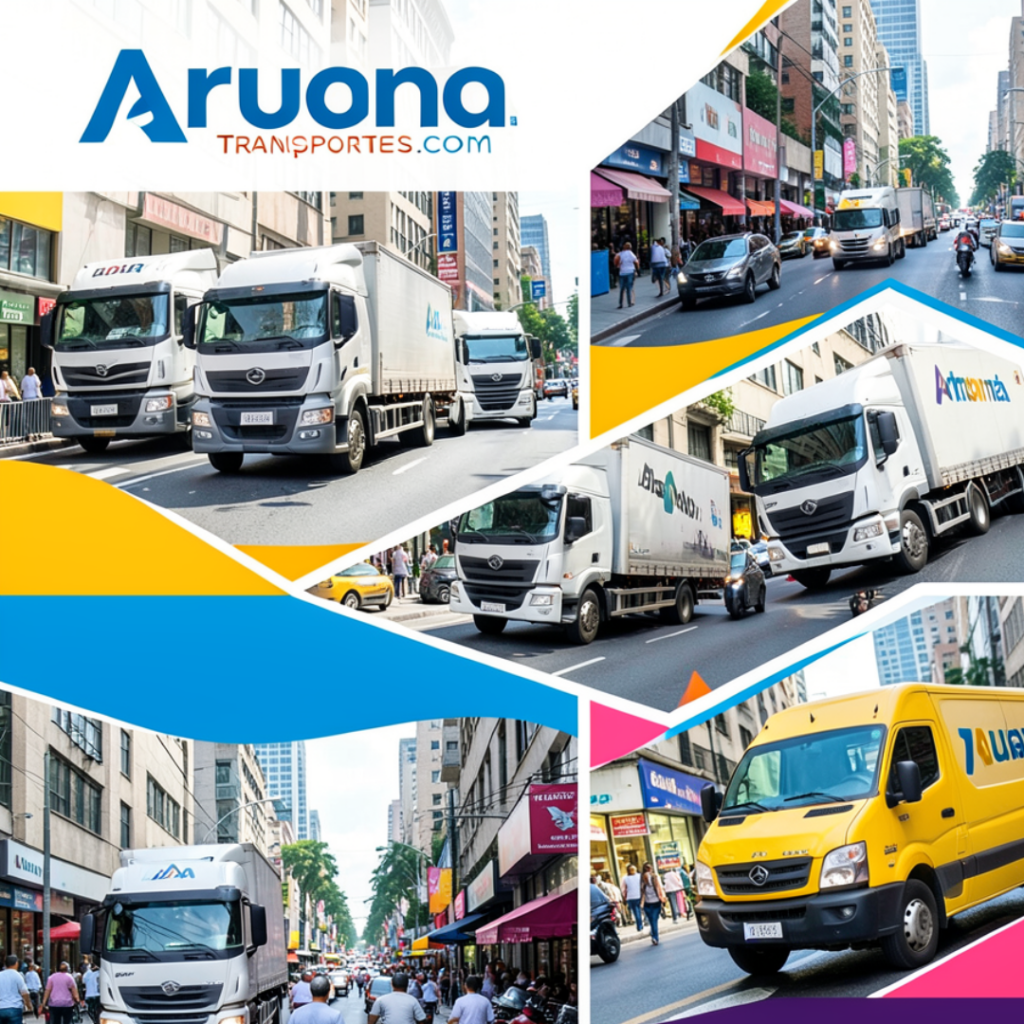
Warehousing and Distribution Synergy
B2B transport is closely linked with warehouse networks positioned near highways and urban centers. These facilities enable:
- Cross-docking for rapid transfers
- Inventory buffering to avoid stockouts
- Regional distribution to retailers and dealers
- Reverse logistics for returns and repairs
The synergy between transport and warehousing reduces lead times and improves service levels.
Security, Insurance, and Risk Control
Given the value of industrial cargo, B2B transport providers invest heavily in risk mitigation:
- Real-time GPS with geofencing alerts
- Secure rest stops and monitored parking
- Cargo insurance integration
- Driver background checks and training
- Route risk assessment tools
These measures protect shipments and build trust with corporate clients.
Urban Deliveries and Last-Mile for Businesses
B2B transport doesn’t end at warehouses. Retail chains, hospitals, workshops, and dealerships require timely urban deliveries. Solutions include:
- Smaller trucks and vans for city access
- Night deliveries to avoid congestion
- Micro-distribution hubs inside cities
- Smart routing to reduce delays
This ensures business customers receive goods without disrupting urban traffic patterns.
Multimodal Opportunities for Cost Efficiency
While trucking dominates, many B2B operations now combine rail for long distances and trucks for first/last mile. This approach lowers freight costs and environmental impact for bulk shipments.
Containers arriving by rail at inland terminals are distributed regionally by trucks, maintaining flexibility with better economics.
Sustainability in B2B Transport
Corporate clients increasingly prefer environmentally responsible logistics partners. Transport companies respond by adopting:
- Biodiesel and ethanol blends
- Fuel-efficient engines and fleet upgrades
- Carbon emission tracking reports
- Electric vehicles for short urban routes
- Eco-driving training programs
Sustainability has become a differentiator in B2B transport contracts.
Economic Significance for Brazilian Industry
Efficient B2B transport underpins Brazil’s industrial productivity. Reliable logistics ensures:
- Continuous factory operations
- Stable retail supply chains
- Competitive export performance
- Predictable procurement cycles
Any disruption in transport—fuel issues, strikes, or road blockages—can quickly affect production and sales nationwide.
The Future of B2B Transport in Brazil
Emerging trends shaping the sector include:
- AI-based demand and route forecasting
- Smart toll systems and connected highways
- Greater automation in warehouses and fleets
- Expansion of digital freight ecosystems
- Stronger integration between shippers, carriers, and ports
These innovations promise faster, more transparent, and cost-effective transport for businesses.
B2B transport in Brazil is a sophisticated, road-driven system supported by digital tools, regulatory structure, warehousing networks, and port connectivity. It enables seamless movement of industrial goods across vast distances while meeting the precise timing demands of modern supply chains.
As Brazil’s economy grows and industries modernize, B2B transport providers continue to evolve—offering smarter, safer, and more sustainable logistics solutions that keep businesses running and trade flowing.