
A road transport hub is a centralized logistics facility where trucks arrive, unload, sort, reload, and depart along optimized routes. These hubs often include:
- Cross-docking platforms
- Warehousing and temporary storage
- Fleet parking and maintenance zones
- Security and monitoring systems
- Administrative and documentation offices
Rather than sending trucks directly from origin to final destination, logistics operators use hubs to consolidate loads, reduce empty miles, and increase vehicle utilization.
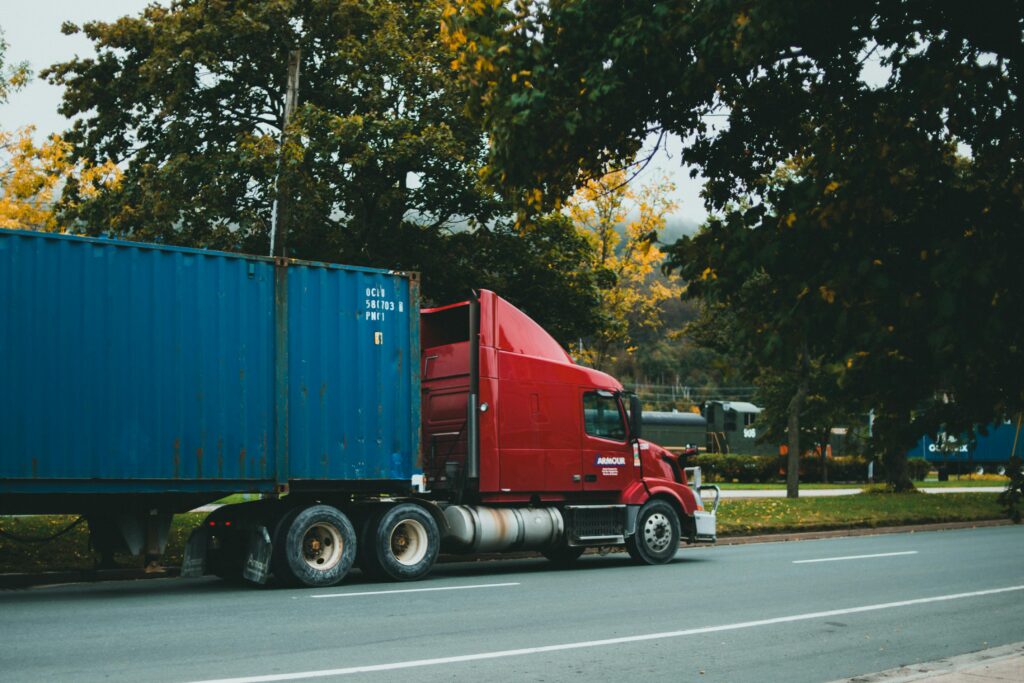
Strategic Locations Across Brazil
Transport hubs are typically located near major highways and industrial zones to maximize connectivity. Metropolitan regions such as São Paulo, Campinas, Belo Horizonte, Curitiba, and Goiânia serve as prime examples where multiple freight corridors intersect.
These cities offer access to highways that lead to ports, airports, agricultural regions, and consumer markets, making them ideal nodes for redistribution.
Connection Between Ports and Inland Hubs
After containers arrive at maritime gateways like Port of Santos and Port of Paranaguá, trucks carry cargo to inland hubs for sorting and onward distribution. This reduces congestion at ports and allows cargo to be processed closer to end markets.
Inland hubs often work in tandem with bonded warehouses and dry ports, enabling customs clearance away from crowded coastal terminals.
Cross-Docking: The Core of Hub Efficiency
Cross-docking is a defining feature of road transport hubs. Instead of storing goods for long periods, shipments are quickly transferred from inbound trucks to outbound vehicles. This minimizes storage costs and shortens delivery timelines.
For example, a truck arriving from the port with mixed cargo for multiple cities can unload at a hub, where goods are sorted and reloaded onto smaller trucks heading to specific destinations.
Role in E-commerce and Retail Distribution
The rise of e-commerce has amplified the importance of transport hubs. Online orders require rapid sorting and dispatch to various cities and neighborhoods. Hubs enable courier and freight companies to process thousands of parcels daily with speed and accuracy.
Retail chains also rely on hubs to distribute inventory from central warehouses to stores across regions without sending separate trucks for each location.
Fleet Management and Scheduling
Transport hubs act as control centers for fleet scheduling. Dispatch teams monitor arrivals, departures, and route plans in real time. By coordinating vehicle movement, hubs reduce idle time and improve turnaround speed.
Drivers benefit from organized loading docks, rest facilities, and clear departure schedules, improving both productivity and safety.
Technology Integration in Modern Hubs
Advanced hubs in Brazil use digital systems for:
- Barcode and RFID scanning
- Real-time shipment tracking
- Dock scheduling and queue management
- Automated documentation processing
- Surveillance and security monitoring
These technologies reduce errors, prevent delays, and create full visibility over cargo movement.
Security and Risk Management
Given concerns about cargo theft on certain routes, transport hubs implement strict security protocols. CCTV monitoring, controlled entry points, cargo verification, and guarded parking areas protect goods and vehicles.
High-value cargo may be stored temporarily in secure zones before dispatch, reducing exposure during transit.
Reducing Logistics Costs Through Consolidation
By consolidating shipments at hubs, logistics operators avoid sending partially loaded trucks over long distances. Full vehicle utilization lowers per-unit transport cost and reduces fuel consumption.
This consolidation also allows companies to offer flexible service tiers, from express delivery to economical bulk transport.
Supporting Agricultural and Industrial Supply Chains
Brazil’s agricultural heartland depends on road hubs to channel inputs such as fertilizers, machinery, and packaging materials inland. During harvest seasons, hubs coordinate the movement of produce toward ports and processing plants.
Industrial manufacturers use hubs to distribute components and finished goods between factories and markets efficiently.
Environmental Benefits of Hub-Based Logistics
Transport hubs contribute to sustainability by reducing redundant trips and optimizing routes. Fewer vehicles on highways mean lower emissions and less congestion. Some hubs are also adopting solar power, electric vehicles for short routes, and energy-efficient warehouse designs.
Challenges Faced by Road Transport Hubs
Despite their advantages, hubs face operational challenges:
- Traffic congestion around metro hubs
- Land and infrastructure costs
- Coordination between multiple transport providers
- Seasonal volume spikes
- Regulatory compliance and documentation handling
Efficient planning and technology adoption help mitigate these issues.
Choosing the Right Hub Strategy
Companies designing their logistics networks must decide:
- Number of hubs required for coverage
- Proximity to highways and markets
- Integration with ports and warehouses
- Scalability for future demand
- Security and technology standards
A well-planned hub network can significantly reduce delivery times and operating expenses.
The Future of Road Transport Hubs in Brazil
As logistics digitalization accelerates, transport hubs are evolving into smart logistics parks. AI-driven scheduling, automated sorting systems, and predictive analytics will make hubs even more efficient.
Integration with rail and air cargo systems may also create multimodal hubs that enhance connectivity beyond road transport alone.
Road transport hubs are indispensable to the logistics ecosystem of Brazil. By connecting highways, ports like Port of Santos, inland cities, and distribution networks, these hubs ensure that goods move quickly, safely, and cost-effectively across the nation.
Through cross-docking, consolidation, fleet coordination, and technology integration, transport hubs transform complex freight flows into organized, efficient operations. As Brazil’s economy and e-commerce sectors grow, the role of these hubs will only become more central to keeping supply chains running smoothly from origin to destination.