
Road cargo consolidation is a practical, cost-efficient logistics strategy that combines multiple smaller shipments into a single truckload moving along the same route. In a country as large and economically diverse as Brazil, consolidation helps businesses reduce freight costs, improve vehicle utilization, and maintain reliable delivery schedules without paying for unused truck capacity.
For manufacturers, distributors, e-commerce sellers, and importers/exporters, consolidation is often the bridge between expensive full truckload shipping and slower parcel networks. By sharing space with compatible freight, companies achieve better pricing and dependable transit across long distances.
Why Consolidation Matters in Brazil’s Road Network
Brazil’s supply chains stretch across thousands of kilometers—from inland production hubs to coastal ports and major cities. Key corridors such as:
- BR-116 connecting southern and southeastern industrial zones
- BR-101 linking coastal cities and ports
- BR-163 supporting agribusiness flows from interior regions
carry mixed freight every day. Consolidation leverages these busy lanes by grouping shipments with similar origins, destinations, and timelines into shared loads.
This approach is especially valuable where rail options are limited and long-haul trucking is the primary mode of freight transport.
How Road Cargo Consolidation Works
The consolidation process follows a structured flow:
- Freight Collection – Small shipments are picked up from multiple shippers.
- Consolidation Hub – Cargo is sorted, labeled, and grouped by route.
- Load Planning – Shipments are arranged for optimal weight distribution and unloading order.
- Linehaul Transport – A single truck carries the combined freight along a major route.
- Deconsolidation – At a regional hub, shipments are separated for final delivery.
This hub-and-spoke model reduces empty space in trucks and ensures consistent freight movement.
Who Benefits Most from Consolidation
Road cargo consolidation is ideal for:
- Small and medium businesses shipping partial loads
- E-commerce sellers moving inventory between cities
- Retailers replenishing stores in multiple locations
- Manufacturers distributing components to different plants
- Importers moving goods inland from ports
- Distributors supplying regional warehouses
These shippers avoid paying for a dedicated truck while still enjoying predictable road transit times.
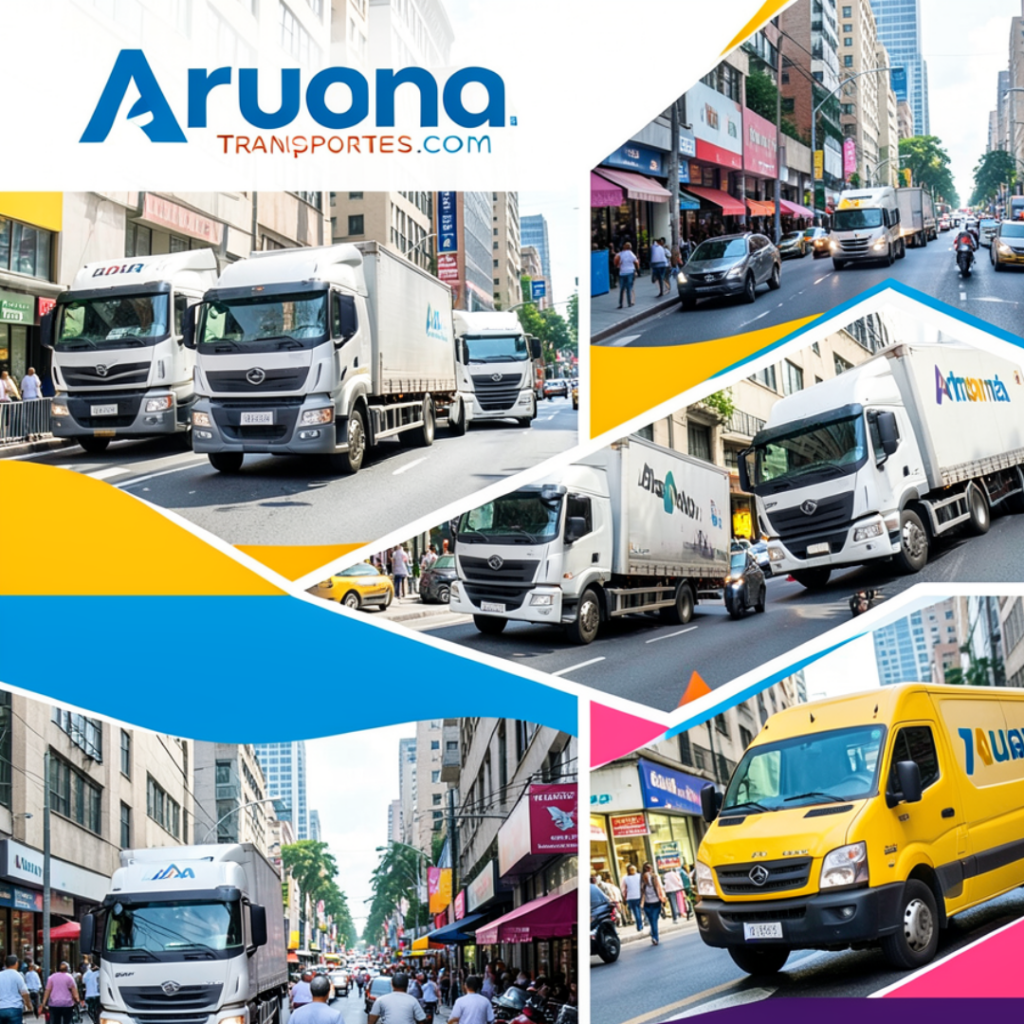
Role of Logistics Hubs and Warehouses
Consolidation relies heavily on strategically located hubs near highways and cities. Freight is temporarily stored, sorted, and reloaded in facilities positioned close to major routes. These hubs act as switching points that enable efficient grouping of shipments headed in the same direction.
Many consolidation centers are positioned to serve traffic flowing to and from the Port of Santos, allowing imported goods to be grouped for inland distribution.
Cost Advantages of Shared Truckloads
The primary benefit of consolidation is cost savings:
- Shippers pay only for the space they use
- Fuel, tolls, and driver costs are shared
- Better vehicle utilization lowers per-unit freight rates
- Fewer trucks on the road reduce operational waste
For regular shippers, consolidation can significantly lower monthly logistics expenses.
Transit Time and Reliability
Unlike parcel services that pass through multiple sorting layers, consolidated road cargo often moves directly along major highways with limited handling. Because routes are planned in advance and trucks run on fixed schedules, transit times are consistent and predictable.
This reliability is crucial for inventory planning and store replenishment.
Technology Behind Effective Consolidation
Modern consolidation operations use digital tools such as:
- Transportation Management Systems (TMS)
- Barcode and shipment labeling systems
- Real-time GPS tracking
- Load optimization software
- Electronic proof of delivery (POD)
These tools ensure each shipment is traceable throughout the journey, even when sharing truck space with other cargo.
Cargo Compatibility and Safety
Not all shipments can be consolidated together. Logistics teams assess:
- Weight and size compatibility
- Fragility and packaging requirements
- Hazardous material restrictions
- Temperature control needs
- Delivery priority
Proper grouping ensures cargo safety and prevents damage during transit.
Supporting E-Commerce and Retail Distribution
The growth of online retail has increased the need for frequent, small-volume shipments between fulfillment centers and cities. Consolidation allows sellers to move inventory quickly without waiting to fill an entire truck.
Retail chains also rely on consolidated freight to replenish multiple stores from central warehouses.
Environmental Benefits
Consolidation reduces the number of trucks required on highways. Fewer trips mean:
- Lower fuel consumption
- Reduced carbon emissions
- Less traffic congestion
- Improved sustainability for supply chains
Many companies adopt consolidation as part of their environmental responsibility initiatives.
Regulatory Compliance
All road freight operations in Brazil, including consolidated loads, must comply with standards from the ANTT. Proper documentation, weight limits, and vehicle registrations are mandatory to ensure smooth transit across states.
Professional consolidation providers maintain strict compliance to avoid delays and penalties.
Challenges in Road Cargo Consolidation
While beneficial, consolidation requires careful coordination:
- Timing alignment between multiple shippers
- Precise sorting to avoid misrouting
- Efficient warehouse operations
- Clear labeling and documentation
- Skilled load planning to prevent imbalance
Experienced logistics providers overcome these challenges through process discipline and technology.
Choosing a Road Cargo Consolidation Partner
When selecting a provider, businesses should consider:
- Network of consolidation hubs
- Coverage across key highways and cities
- Technology for tracking and documentation
- Experience with mixed freight handling
- On-time delivery performance
- Safety and cargo handling standards
A capable partner ensures that shared freight moves as reliably as dedicated shipments.
The Future of Consolidated Road Freight in Brazil
As freight volumes increase and businesses seek cost efficiency, consolidation will grow in importance. Trends shaping the future include:
- AI-driven load planning and routing
- Expansion of regional hubs closer to production zones
- Greater integration with port and warehouse systems
- Increased use of digital freight documentation
- Sustainability-focused logistics planning
These advancements will make consolidated road freight even more efficient and accessible.
Road cargo consolidation in Brazil is a smart logistics strategy that maximizes truck capacity, lowers shipping costs, and maintains reliable transit across long distances. By combining shipments with similar routes, businesses gain access to efficient road transport without the expense of full truckload services.
Supported by strong highway networks, modern logistics hubs, compliance with ANTT regulations, and advanced tracking technologies, consolidation has become a vital part of Brazil’s freight ecosystem. For companies seeking economical and dependable transport, road cargo consolidation offers a practical and scalable solution.