
FCL (Full Container Load) shipping refers to a logistics method where an entire shipping container is used by a single shipper. Unlike LCL (Less than Container Load), where multiple shippers share container space, FCL provides exclusive use of a container—typically 20-foot or 40-foot units.
This means:
- The cargo is not mixed with other shipments
- The container is sealed at origin and opened at destination
- Handling is minimized, reducing risk of damage
- Transit times are generally faster and more predictable
FCL is ideal for businesses shipping large volumes or high-value goods.
Why FCL Shipping Is Important in Brazil
In Brazil, FCL shipping is essential due to:
- Large-scale agricultural exports
- High-volume industrial production
- Strong global trade partnerships
- Long-distance international shipping needs
- Cost efficiency for bulk cargo movement
Exporters prefer FCL because it ensures consistency, security, and better control over logistics operations.
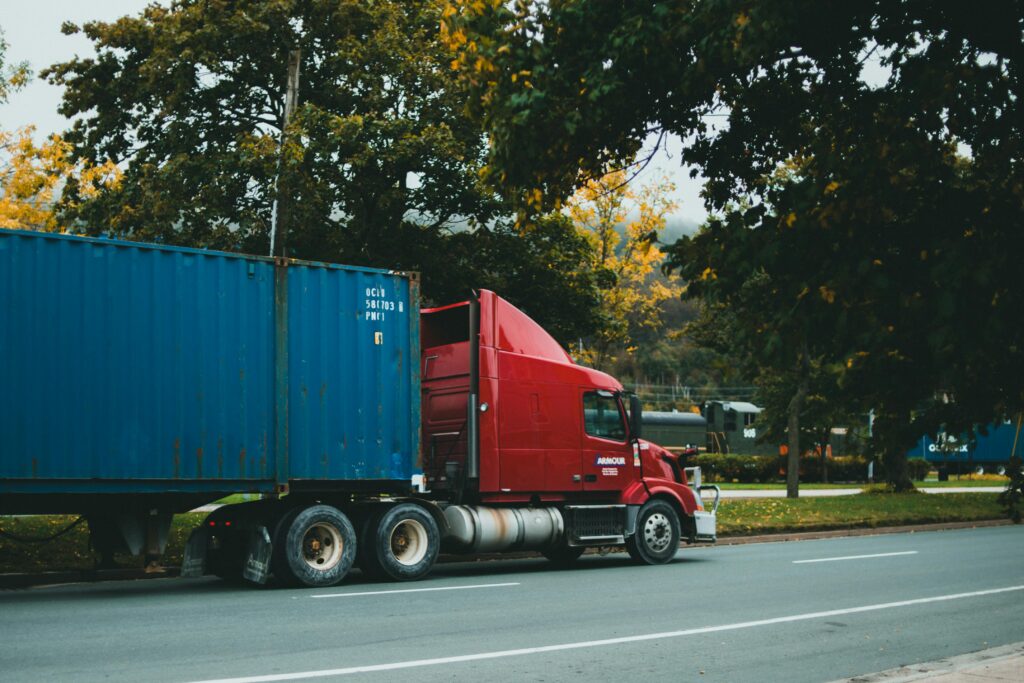
Major Ports Supporting FCL Shipping in Brazil
Brazil’s FCL shipping operations are concentrated in major ports that handle containerized cargo efficiently:
- Port of Santos – The largest container port in Latin America and the main hub for FCL shipments.
- Port of Itajaí – Known for refrigerated and manufactured goods in containers.
- Port of Paranaguá – Handles agricultural exports in bulk and containers.
- Port of Rio de Janeiro – Supports industrial and consumer goods shipping.
- Port of Suape – A growing port for regional FCL cargo movement.
These ports connect Brazil to major international shipping lanes.
Types of FCL Containers Used
FCL shipping uses different container types depending on cargo requirements:
Standard Dry Containers
Used for general cargo like textiles, machinery, and electronics.
Reefer Containers
Temperature-controlled units for perishable goods such as meat, fruits, and pharmaceuticals.
High Cube Containers
Extra height containers for lightweight but bulky goods.
Open Top Containers
Used for oversized cargo loaded from above.
Flat Rack Containers
For heavy machinery and industrial equipment.
Each container type ensures cargo safety and efficiency.
FCL Shipping Process in Brazil
The FCL shipping process typically follows these steps:
- Booking a full container with a shipping line or freight forwarder
- Cargo pickup from supplier or warehouse
- Container stuffing at origin facility or factory
- Sealing of container for security
- Inland transport to port via truck or rail
- Export customs clearance and documentation
- Port handling and vessel loading
- Ocean transport to destination port
- Import clearance and container unloading
- Final delivery to consignee
This structured process ensures smooth international trade operations.
Role of Freight Forwarders in FCL Shipping
Freight forwarders are essential in managing FCL shipments. They handle:
- Booking container space with shipping lines
- Coordinating inland transport
- Managing customs documentation
- Ensuring regulatory compliance
- Tracking shipments in real time
Their expertise helps businesses avoid delays and optimize costs.
Benefits of FCL Shipping for Businesses
FCL shipping offers several key advantages:
- Exclusive use of container space
- Reduced risk of cargo damage or loss
- Faster transit times compared to shared shipments
- Better security for high-value goods
- Simplified documentation and handling
- Cost efficiency for large shipments
These benefits make FCL the preferred choice for exporters and importers.
Industries That Rely on FCL Shipping
Agriculture
Soybeans, coffee, sugar, and meat exports in bulk containers.
Manufacturing
Machinery, automotive parts, and industrial equipment.
Retail and Consumer Goods
Electronics, clothing, and household products.
Chemicals and Pharmaceuticals
Sensitive goods requiring secure and controlled environments.
FCL shipping supports nearly every major export sector in Brazil.
Integration with Inland Logistics
FCL shipping depends on efficient inland transportation. Containers are moved using:
- Trucking networks for short-distance transport
- Rail systems for long-haul inland movement
- Container depots and inland terminals for storage and consolidation
This multimodal system ensures timely delivery to ports.
Technology in FCL Shipping
Modern FCL logistics uses advanced technology such as:
- Real-time container tracking systems
- Digital booking platforms
- Electronic customs documentation
- Port management software
- GPS-enabled logistics monitoring
These tools improve transparency and efficiency.
Challenges in FCL Shipping in Brazil
Despite its advantages, FCL shipping faces challenges:
- Port congestion during peak export seasons
- Infrastructure limitations in some regions
- High inland transportation costs
- Complex customs regulations
- Weather-related disruptions
Ongoing improvements are addressing these issues.
Environmental Considerations
FCL shipping is relatively efficient in terms of carbon emissions per ton of cargo. Ports and shipping companies are adopting sustainable practices such as:
- Cleaner fuel usage
- Energy-efficient port operations
- Reduced idle time for vessels
- Improved cargo optimization
Sustainability is becoming a growing priority in maritime logistics.
Future of FCL Shipping in Brazil
The future of FCL shipping in Brazil includes:
- Expansion of container terminal capacity
- Increased automation in ports
- Greater use of rail for inland container movement
- Smart containers with tracking sensors
- Digitalized end-to-end logistics systems
These advancements will enhance efficiency and global competitiveness.
FCL shipping is a critical component of Brazil’s international trade infrastructure. By offering secure, efficient, and cost-effective containerized transport, it supports the country’s export industries and strengthens global supply chain connections.
With strong port infrastructure, advanced logistics systems, and growing technological integration, FCL shipping continues to play a vital role in driving economic growth and global trade success for Brazil.