
When businesses or individuals consider a logistics partner, one of the first questions they often ask is: “Does this company have specialized vehicles for my specific transport needs?” Whether it’s refrigerated goods, heavy machinery, hazardous materials, or oversized freight, the availability of specialized vehicles — and, equally important, the certifications and operational expertise to support them — is what separates a standard carrier from a full‑service logistics provider.
In this article, we’ll explore whether Aruana Transportes offers specialized vehicles as part of its fleet, what kinds of specialized transport might be relevant, and how you can best assess whether this company can meet your unique transportation needs.
1. Who Is Aruana Transportes?
Before we talk about specialized vehicles, it’s important to understand what Aruana Transportes is officially registered to do.
According to official Brazilian business registry data, Aruana Transportes Ltda., based in Manaus, Amazonas, is primarily registered as a road passenger transport operator. Its main activity code (CNAE) defines it as:
- Transport of passengers by road with fixed itineraries
- Secondary activities include road cargo transport (excluding hazardous and household goods) on municipal, intermunicipal, and interstate routes.
This tells us that while the company is involved in transport services — especially passenger transport — it also has the legal capacity to transport general cargo as part of its secondary activities. But the registry does not include specific codes for specialized freight operations such as refrigerated transport, heavy haulage, or hazardous cargo.
Understanding this official classification helps frame what we can reasonably infer about the presence of specialized vehicles in their fleet.
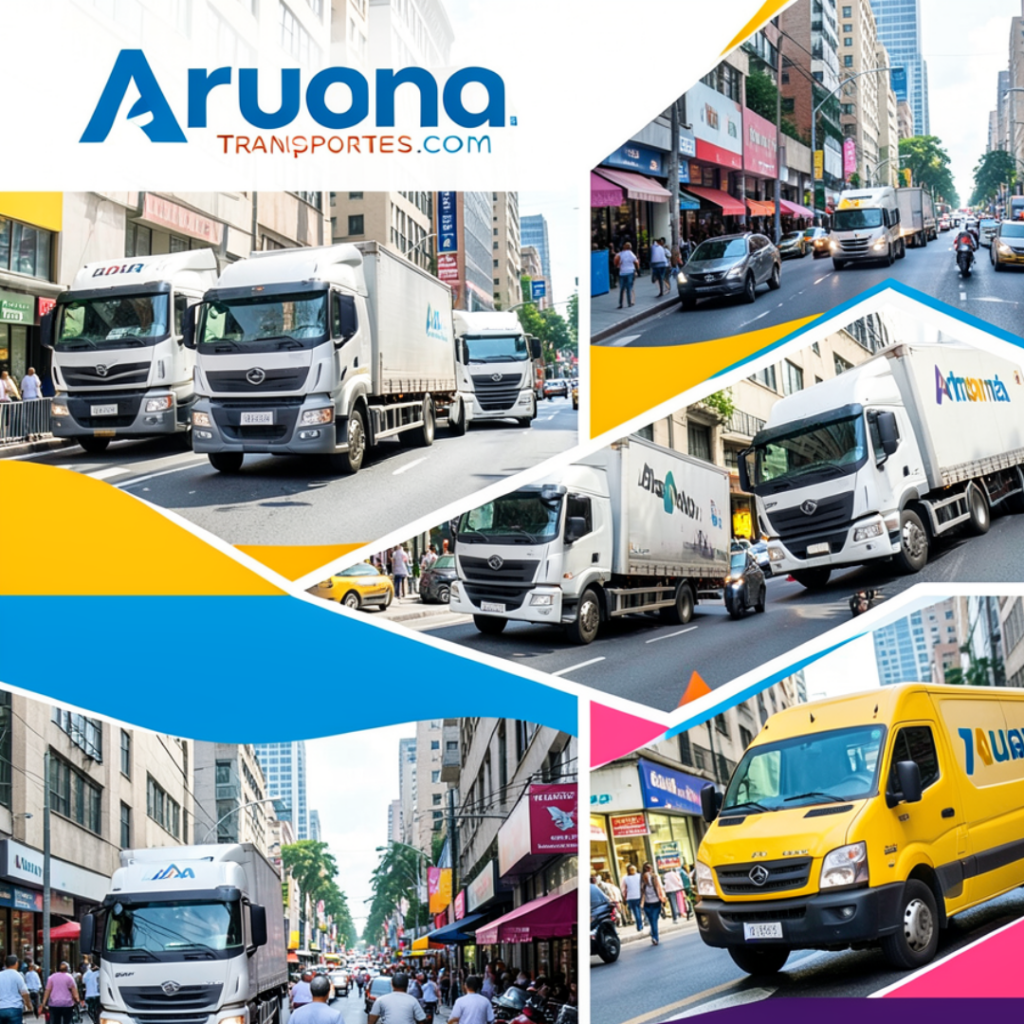
2. What Are “Specialized Vehicles” in Transport Logistics?
In logistics, the term specialized vehicle refers to a transport unit designed for a specific type of load or a special transport requirement. Common examples include:
🚚 Refrigerated Trucks (Reefers)
Vehicles equipped with refrigeration units to transport perishable goods like food, pharmaceuticals, or temperature‑sensitive products.
🛻 Flatbeds and Lowbed Trailers
Used for transporting construction machinery, vehicles, oversized industrial equipment, or heavy loads that cannot fit within a closed box trailer.
🛢 Tank Trucks
Designed to carry liquids — food‑grade liquids, oils, chemicals, fuels, or other fluid cargo.
🧯 Hazardous Materials Vehicles
Equipped and certified to transport dangerous or regulated materials, often marked with placards and governed by strict regulatory rules.
📦 Container Chassis and Intermodal Units
Specialized for handling ocean containers, rail containers, or large modular freight.
These vehicles are equipped not only with specific structural designs but also with safety, monitoring, and compliance systems suited to the cargo type. They often require specialized driver training and regulatory certificates to operate legally.
3. Are Such Specialized Vehicles Available at Aruana Transportes?
✔ General Cargo Capabilities
Based on the company’s official business classification, Aruana Transportes does have the legal authority to operate general cargo transport — meaning standard freight that does not require specialized equipment. It can handle:
- Palletized goods
- Box truck shipments
- Non‑hazardous general cargo
However, this classification does not explicitly include refrigerated units, liquid tankers, heavy haulage trailers, hazardous goods vehicles, or other specialized transport vehicles.
⚠ Unofficial Web Listings
There are some business directory listings and user‑generated pages on the internet claiming that “Aruanã Transportes” (note the spelled variant) offers a wide range of specialized transport services, including:
- Refrigerated transport
- Hazardous materials transport
- Transport of explosive, radioactive, toxic or chemical goods
- Multi‑modal logistics solutions (air, rail, water)
These descriptions appear in commercial directory entries and Facebook business listing snippets rather than in official company materials or verified registry entries.
Important note: These listings should be treated with caution — they might represent outdated information, user‑generated descriptions, or even entirely different companies with similar names.
4. What This Means in Practice
Based on official public data, here’s how we can interpret the situation:
🟢 General Transport Services
Aruana Transportes can provide transportation services for standard freight using conventional cargo vehicles — such as box trucks or dry vans — because this is part of its secondary registered service offering. If your cargo is packaged, non‑hazardous, and does not require environmental controls, there’s a reasonable chance they can include it as part of their operations.
🔶 Specialized Transport (Not Officially Verified)
There is no strong verified evidence from official company registrations that Aruana Transportes operates specialized vehicles such as:
- Refrigerated trucks
- Heavy machinery trailers
- Chemical or hazardous material carriers
- Tanker vehicles
- ISO‑style container chassis
The absence of these classifications means the company might not own or operate such vehicles under its own fleet — at least not as part of what is publicly registered.
📌 Possibility of Partnerships or Subcontracting
It’s common in logistics for companies without specialized equipment to partner with third‑party carriers to fulfill specialized transport requests. So even if Aruana does not own reefers or tankers, they might subcontract such vehicles from partners to deliver on certain customer requirements — but this is not guaranteed and is not documented in official sources.
5. How to Confirm Specialized Vehicle Availability
If you are specifically interested in specialized transport (for example, refrigerated cargo, heavy machinery, or hazardous materials), here’s how to verify whether Aruana Transportes can meet those needs:
📝 1. Contact Aruana Directly
Ask specific questions such as:
📍 Do you have refrigerated trucks in your fleet?
📍 Can you transport liquid or hazardous goods?
📍 Do you have flatbeds or lowbed trailers for heavy equipment?
📍 Do you use partner carriers for specialized transport needs?
Getting direct answers from the company is crucial — especially because official registration data alone cannot confirm the current fleet mix or operational partnerships.
📄 2. Request Vehicle and Certification Documentation
For specialized transport, reputable carriers should be able to provide:
- Proof of vehicle types used
- Certifications or licenses for hazardous materials transport
- Refrigeration compliance certificates
- Insurance documentation covering the specific cargo type
📦 3. Compare With Specialized Providers
If your transport requirement is highly technical — for example, heavy haulage or temperature‑controlled logistics — consider comparing Aruana’s proposal with companies that specialize in those areas. Specialists often have clear and documented fleets of tankers, reefers, flatbeds, and certified hazardous materials transport units.
6. Examples of Specialized Transport Needs (and Vehicle Types)
To better understand what you might mean by “specialized vehicles,” here are some common scenarios and the associated vehicle types:
🥶 Temperature‑Sensitive Cargo
- Perishable foods
- Pharmaceuticals
- Products requiring a cold chain
Vehicle Type: Refrigerated trucks with temperature control systems
🏭 Heavy Machinery and Oversized Equipment
- Construction equipment
- Industrial machinery
- Large agricultural machines
Vehicle Type: Flatbeds, lowbed trailers, extendable trailers
🛢 Liquid Cargo (Non‑Hazardous or Hazardous)
- Fuels
- Industrial liquids
- Edible oils
Vehicle Type: Tank trucks, bulk liquid carriers
☣️ Hazardous or Regulated Materials
- Chemicals
- Flammable materials
- Corrosive or toxic goods
Vehicle Type: Certified hazardous materials carriers with safety systems and placarding
7. Final Takeaway: Are Specialized Vehicles Available at Aruana Transportes?
✔ General transport services: Yes, Aruana Transportes is officially registered to provide road transport services, and it likely uses conventional cargo vehicles to fulfill standard freight needs.
❓ Specialized vehicles (reefer, tanker, heavy-haul):
There is no verifiable evidence from official registries that Aruana Transportes owns or operates specialized vehicles as part of its fleet.
⚠ Caution against assuming based on third‑party listings:
User‑generated directory content that lists specialized transport services should not be taken at face value without direct verification from the company.
8. How to Proceed If You Need Specialized Transport
Here’s what you can do next:
- Prepare a clear list of your cargo details — type of goods, weight, dimensions, special requirements.
- Contact Aruana Transportes directly with specific questions about the vehicles and services.
- Ask for documentation on vehicles and certifications relevant to your shipment.
- Compare quotes with logistics providers who specialize in the exact service you require.
- Ensure insurance and regulatory compliance before booking transport.
In summary:
- Aruana Transportes does offer cargo transport services as part of its secondary activities.
- Its official registry does not clearly list specialized vehicles such as reefers, tankers, or heavy machinery trailers.
- For specialized transport needs, direct confirmation from the company or comparison with specialized logistics providers is strongly recommended.
If you’d like help preparing a list of questions to ask Aruana Transportes when verifying their fleet capabilities, let me know and I can draft that for you!