Full Truckload (FTL) freight is a core concept in logistics and freight transportation, widely used by businesses to move large volumes of goods efficiently. Unlike less-than-truckload (LTL) shipping, where multiple shipments from different clients share a truck, FTL involves dedicating an entire truck to a single client’s cargo. This model offers speed, security, and cost-efficiency for high-volume shipments, making it ideal for manufacturers, distributors, and e-commerce enterprises that require timely and reliable delivery. This article explores the concept, benefits, types, and best practices of FTL freight.
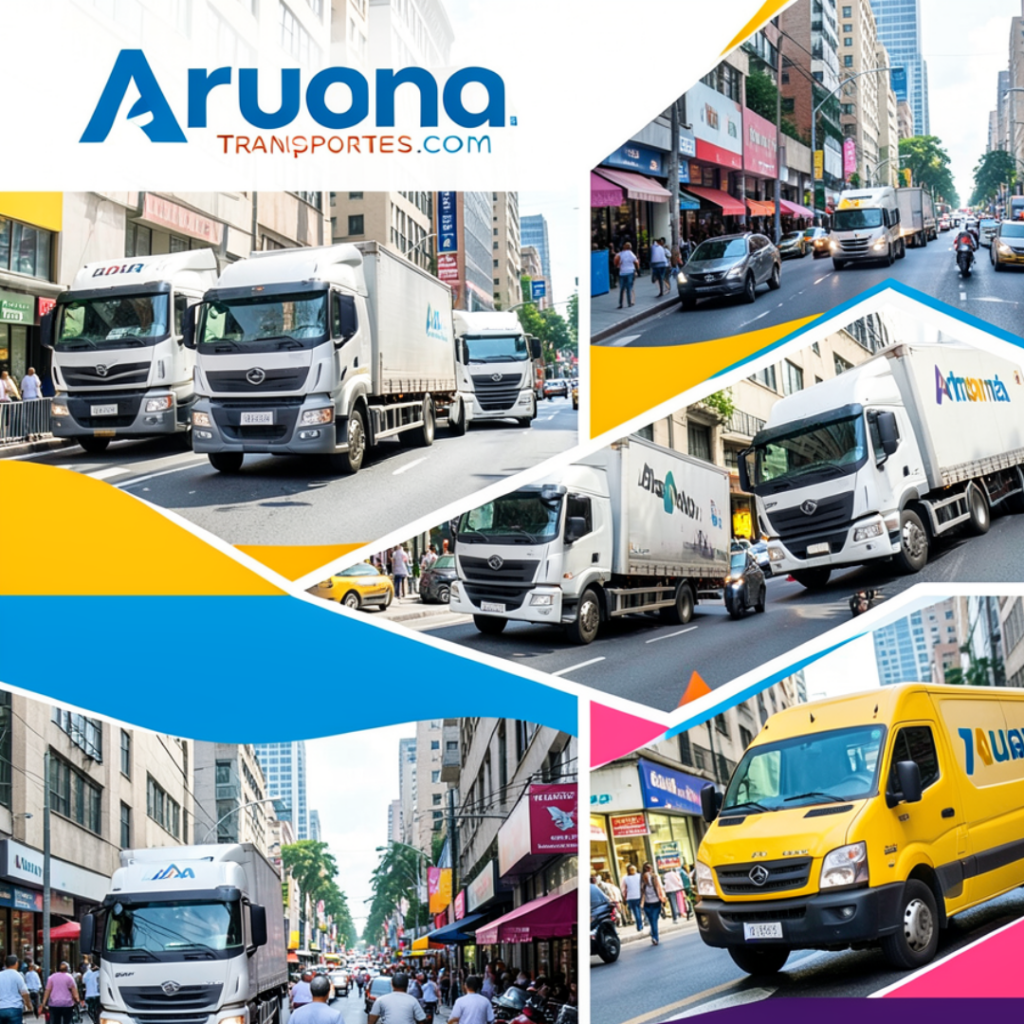
1. Understanding Full Truckload (FTL) Freight
Full Truckload freight refers to the shipping method where an entire truck is reserved for a single client’s shipment. This means that the truck travels directly from the pickup location to the delivery destination without stopping for additional cargo. Key features include:
- Dedicated Truck: The entire vehicle is used for one shipment.
- Direct Transit: Minimal stops reduce transit time and handling.
- High Volume Capacity: Ideal for large shipments or heavy cargo that fills a truck.
FTL shipping contrasts with LTL, where goods from multiple customers are consolidated into a single truck, leading to longer transit times and more handling.
2. Importance of FTL Freight
FTL freight is vital for businesses that require fast, secure, and cost-effective transportation of large shipments. Its importance can be understood in several areas:
2.1 Speed of Delivery
With no additional stops for other shipments, FTL trucks follow a direct route, reducing transit time. This is crucial for time-sensitive shipments, including perishable goods or critical manufacturing components.
2.2 Security and Reduced Handling
FTL shipments are handled less frequently, lowering the risk of damage, loss, or theft. For valuable or fragile items, this security is a significant advantage.
2.3 Cost Efficiency for Large Shipments
When the shipment volume is sufficient to fill a truck, FTL can be more economical than LTL. Paying for an entire truck is often cheaper than paying for multiple LTL shipments of the same size.
2.4 Predictability
FTL offers reliable transit schedules, as there are fewer delays due to stops, transfers, or consolidation processes.
3. Types of FTL Freight
FTL freight can vary depending on cargo type, transport method, and service requirements. Common categories include:
3.1 Dry Van FTL
- Standard enclosed trucks for general goods.
- Suitable for non-perishable items like electronics, furniture, and consumer products.
3.2 Refrigerated or Temperature-Controlled FTL
- Trucks equipped with refrigeration units for perishable goods like food, pharmaceuticals, or flowers.
- Maintains a controlled temperature to prevent spoilage.
3.3 Flatbed FTL
- Open trucks used for oversized or irregularly shaped cargo like machinery, construction materials, or vehicles.
- Requires proper securing to prevent movement during transit.
3.4 Expedited or Express FTL
- Prioritized shipments for urgent deliveries.
- May include dedicated drivers and faster routes to meet critical deadlines.
3.5 Specialized or Hazardous Material FTL
- Trucks designed for handling hazardous, fragile, or high-value cargo.
- Includes compliance with safety and regulatory standards.
4. Key Features of FTL Freight
A robust FTL freight service typically includes the following features:
4.1 Dedicated Transportation
- Entire truck is assigned to one client, reducing delays and handling.
- Provides flexibility for pickup and delivery schedules.
4.2 Direct Routes
- Minimal stops ensure faster transit and more predictable delivery times.
4.3 Load Optimization
- Proper truck loading maximizes space utilization and ensures safety.
- Reduces the risk of damage or shifting during transport.
4.4 Tracking and Visibility
- Advanced GPS and fleet management systems allow clients to track shipments in real time.
- Improves communication and operational planning.
4.5 Regulatory Compliance
- Adherence to safety, weight, and transportation regulations.
- Ensures legal transport of cargo across states or countries.
5. Benefits of FTL Freight
Implementing FTL freight for high-volume shipments offers several advantages:
5.1 Faster Delivery
Direct routes and dedicated trucks reduce transit times compared to consolidated shipments.
5.2 Reduced Risk of Damage
Fewer handling points minimize the chance of damage, loss, or misplacement.
5.3 Cost Savings for Large Loads
For shipments that fill a truck, FTL can be more cost-effective than multiple LTL shipments.
5.4 Greater Flexibility
Clients can schedule pickups and deliveries according to their operational needs, offering more control over logistics.
5.5 Improved Supply Chain Reliability
FTL provides predictable transit times, supporting inventory planning and production schedules.
6. When to Use FTL Freight
FTL freight is most suitable in the following scenarios:
- High-Volume Shipments: When the cargo volume is enough to occupy an entire truck.
- Time-Sensitive Deliveries: Critical shipments requiring direct transit without delays.
- Fragile or Valuable Cargo: Products that require minimal handling and maximum security.
- Long-Distance Transport: Direct routes over long distances reduce delays compared to LTL.
- Recurring Freight Contracts: Businesses with regular large shipments benefit from consistent FTL services.
7. Best Practices for FTL Freight
To maximize the benefits of FTL freight, businesses should follow these best practices:
7.1 Accurate Load Planning
- Ensure cargo fills the truck without overloading or underutilization.
- Properly distribute weight to maintain stability and safety.
7.2 Route Optimization
- Use GPS and route planning tools to select the most efficient paths.
- Avoid congested areas and plan for rest stops for long-distance transport.
7.3 Select Reliable Carriers
- Choose carriers with a track record of on-time delivery and cargo safety.
- Ensure carriers have experience handling your specific type of cargo.
7.4 Implement Real-Time Tracking
- Monitor truck location and estimated delivery times.
- Communicate updates to customers or stakeholders for better service transparency.
7.5 Comply with Regulations
- Ensure all trucks and drivers meet regulatory requirements, including weight limits, permits, and safety standards.
8. Challenges in FTL Freight
While FTL freight offers numerous advantages, it also comes with challenges:
- Higher Cost for Small Loads: If the shipment doesn’t fill a truck, FTL may be more expensive than LTL.
- Availability of Trucks: During peak seasons, truck availability may be limited.
- Distance Constraints: Direct long-distance shipments may face regulatory or logistical restrictions.
- Route Disruptions: Traffic, weather, or road closures can impact delivery times.
Planning, scheduling, and reliable partnerships with freight carriers help overcome these challenges.
9. Emerging Trends in FTL Freight
The FTL freight industry is evolving, influenced by technology, sustainability, and market demands:
9.1 Telematics and Fleet Management
- GPS tracking and telematics improve efficiency, reduce idle times, and allow real-time monitoring.
9.2 Green Logistics
- Fuel-efficient trucks, route optimization, and alternative fuels reduce carbon footprint.
9.3 Automation and IoT
- Sensors and automated systems track cargo conditions, prevent damage, and optimize load distribution.
9.4 E-Commerce Integration
- FTL providers are increasingly supporting e-commerce businesses for bulk shipments to distribution centers and regional hubs.
9.5 Predictive Analytics
- AI-based systems forecast demand, plan routes, and optimize fleet utilization for better efficiency.
Full Truckload (FTL) freight is a powerful solution for businesses that require fast, secure, and cost-effective transportation of high-volume shipments. By dedicating an entire truck to a single shipment, FTL reduces handling, minimizes transit times, and ensures cargo safety.
FTL is ideal for manufacturers, distributors, e-commerce enterprises, and businesses with recurring bulk shipments. With proper load planning, route optimization, and reliable carriers, FTL freight can significantly enhance supply chain efficiency and reduce operational costs.
In an era of increasing customer expectations and competitive supply chains, Full Truckload freight offers businesses a dependable, scalable, and efficient transportation solution. Companies that leverage FTL effectively gain the advantage of speed, reliability, and operational control, ensuring their goods reach the market promptly and safely.