
Public transportation is a vital component of urban and regional mobility, providing an affordable, reliable, and eco-friendly way for people to commute. Among the many elements of a robust transit system, bus stops play a critical role. They are the physical points where passengers board and alight from buses, and their strategic placement ensures convenience, safety, and efficiency for both passengers and operators.
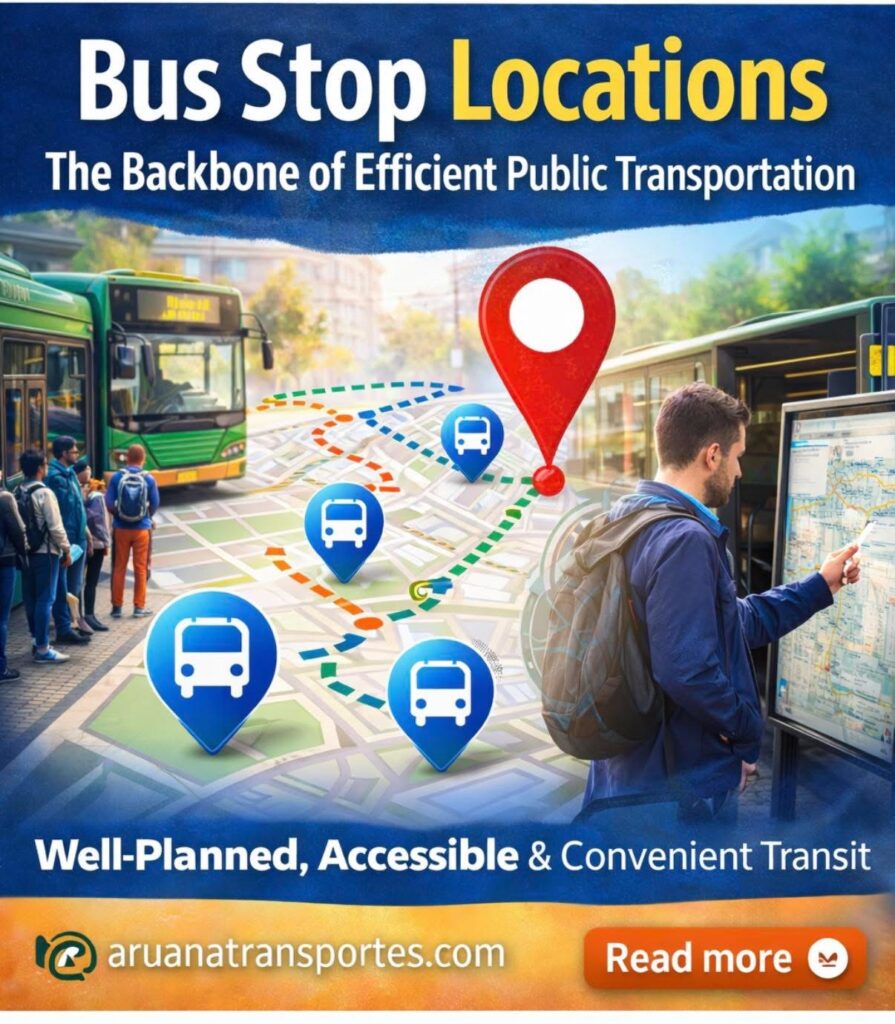
Understanding bus stop locations is essential for urban planners, transit authorities, and passengers alike. Well-placed stops can improve accessibility, reduce travel time, enhance safety, and increase the overall efficiency of a bus network. This article explores the importance, types, planning, benefits, challenges, and future trends of bus stop locations.
What Are Bus Stop Locations?
A bus stop location is a designated place along a bus route where buses stop to pick up or drop off passengers. These locations are typically marked with signs, shelters, or benches and often provide essential passenger amenities like route maps, schedules, and real-time updates.
Bus stop locations are not just points along a road—they are critical access nodes in the public transport system that influence:
- Passenger convenience and accessibility
- Bus route efficiency and scheduling
- Safety and comfort for travelers
- Integration with other modes of transport
Importance of Bus Stop Locations
1. Passenger Convenience and Accessibility
Strategically placed bus stops allow passengers to reach destinations such as schools, workplaces, hospitals, shopping centers, and transit hubs easily. Stops should be within walking distance for most users, ensuring public transport is a convenient option.
2. Efficient Transit Operations
Optimal bus stop locations reduce unnecessary delays caused by frequent stopping or long detours. They allow buses to maintain schedules, reduce travel time, and improve overall service reliability.
3. Safety for Passengers
Bus stops should be located in areas that are safe, well-lit, and away from high-speed traffic zones. Proper placement minimizes accidents and ensures that passengers can wait and board buses without risk.
4. Integration with Urban Planning
Bus stops are often part of a larger urban mobility plan. They connect neighborhoods to commercial districts, schools, hospitals, and other public transit options, fostering an integrated and accessible city transport network.
5. Environmental Benefits
Well-placed stops encourage the use of public transportation, reducing dependency on private vehicles, easing traffic congestion, and lowering greenhouse gas emissions.
Types of Bus Stop Locations
Bus stops can vary based on their purpose, design, and service type:
1. Urban Bus Stops
Urban bus stops are located within city limits and are designed to serve densely populated areas. They are usually spaced closer together (every 200–500 meters) to maximize accessibility for short-distance travelers.
2. Suburban Bus Stops
Suburban stops connect residential areas to urban centers. These stops are typically farther apart than urban stops, balancing accessibility with faster travel times for longer distances.
3. Intercity or Long-Distance Bus Stops
Intercity bus stops are strategically located at major transit hubs, terminals, or rest areas along highways. They are spaced farther apart, often several kilometers, to facilitate long-distance travel with minimal interruptions.
4. Express Bus Stops
Express bus stops cater to limited-stop services designed for faster journeys. These stops are usually major locations like airports, business districts, or transit hubs, skipping smaller local stops along the route.
5. Specialized Stops
- Airport Shuttle Stops: Located near terminals and major hotels for passenger convenience.
- School Bus Stops: Positioned near residential areas, often with safety measures like crossing guards or signage.
- Tourist Bus Stops: Designed to provide easy access to popular attractions or sightseeing routes.
- Night Bus Stops: Strategically located in safe, well-lit areas for late-night travelers.
Planning Bus Stop Locations
Planning effective bus stop locations is a careful balance of accessibility, efficiency, and safety. Key considerations include:
1. Passenger Demand
Stops should be placed where there is significant demand, such as residential neighborhoods, commercial areas, hospitals, schools, and transit hubs. Planners analyze passenger flow data to determine high-demand locations.
2. Distance Between Stops
Too many stops slow down the bus and reduce efficiency, while too few stops decrease accessibility. Optimal spacing depends on the type of route—urban routes have shorter spacing, suburban and intercity routes have longer spacing.
3. Safety and Visibility
Stops must be positioned away from high-speed traffic, sharp curves, or blind spots. Visibility for both drivers and passengers is crucial to prevent accidents.
4. Accessibility for All
Bus stops should accommodate passengers with disabilities, elderly travelers, and parents with strollers. Features such as ramps, tactile paving, and seating improve accessibility and comfort.
5. Integration with Infrastructure
Stops should align with sidewalks, crosswalks, bicycle lanes, and pedestrian pathways to ensure seamless multimodal connectivity.
6. Amenities and Shelter
Providing shelters, seating, lighting, route maps, and real-time information enhances the passenger experience, especially during inclement weather or at night.
Benefits of Well-Planned Bus Stop Locations
1. Reduced Travel Time
Strategic placement ensures buses move efficiently without unnecessary detours or excessive stopping, reducing overall journey time.
2. Enhanced Passenger Safety
Safe, visible, and well-lit stops reduce accidents and provide passengers with a secure waiting area.
3. Improved Accessibility
Passengers can easily reach stops, promoting inclusivity for all community members, including those with mobility challenges.
4. Better Operational Efficiency
Optimized stops help operators maintain schedules, reduce fuel consumption, and allocate buses effectively.
5. Increased Public Transport Use
Convenient and accessible stops encourage more people to use buses instead of private vehicles, reducing traffic congestion and emissions.
Challenges in Bus Stop Location Planning
Despite careful planning, several challenges can arise:
- Urban Congestion: Limited space in crowded city areas may restrict stop placement.
- Safety Concerns: High-speed roads or poorly lit areas can make stops hazardous.
- Changing Demand: Population growth or new commercial developments may require relocation or additional stops.
- Funding and Infrastructure: Installing shelters, signage, and accessibility features may require significant investment.
- Public Awareness: Passengers may not know the optimal stops or routes, reducing the effectiveness of the network.
Technological Innovations in Bus Stop Locations
Technology is enhancing how bus stop locations are planned, monitored, and utilized:
1. GIS and Mapping Tools
Geographic Information Systems (GIS) help planners analyze population density, traffic patterns, and accessibility to determine optimal stop locations.
2. Real-Time Passenger Data
Smart transit systems track passenger boarding and alighting patterns to identify high-demand stops and adjust routes or stop placement.
3. Digital Signage and Information Systems
Modern bus stops feature electronic displays showing real-time bus arrival times, service updates, and route information.
4. Integration with Mobile Apps
Apps provide passengers with information about nearby stops, routes, and amenities, improving usability and convenience.
5. Smart Shelters
Some bus stops now feature solar-powered lighting, Wi-Fi, seating with charging ports, and interactive maps, enhancing comfort and accessibility.
Tips for Passengers Using Bus Stops
- Know Your Stop: Familiarize yourself with the nearest stop to your home, workplace, or school.
- Check Amenities: Look for stops with shelters, seating, and lighting for comfort and safety.
- Use Mobile Apps: Real-time apps help locate nearby stops and estimate bus arrival times.
- Arrive Early: Give yourself a buffer to avoid missing the bus, especially during peak hours.
- Report Issues: Inform transit authorities about damaged signs, shelters, or accessibility issues to help improve services.
Future of Bus Stop Locations
The future of bus stops is increasingly focused on technology, sustainability, and passenger-centric design:
- Dynamic Stop Planning: Data-driven analysis to relocate or add stops based on evolving demand.
- Smart Stop Amenities: Digital displays, Wi-Fi, charging stations, and solar lighting for enhanced passenger experience.
- Integration with Multimodal Transport: Stops coordinated with metro stations, bike-sharing points, and ride-hailing zones.
- Accessibility Enhancements: Universal design features to cater to all passengers, including the elderly and disabled.
- Sustainable Infrastructure: Eco-friendly materials and energy-efficient shelters to reduce environmental impact.
Bus stop locations are far more than simple points along a route—they are critical nodes that influence the efficiency, safety, and convenience of public transportation. Well-planned stops enhance accessibility, reduce travel time, improve safety, and encourage greater public transport usage.
By leveraging technology, passenger data, and urban planning principles, transit authorities can design bus stop networks that are safe, convenient, and responsive to the evolving needs of the community. As cities grow and mobility demands increase, strategically placed bus stops will continue to be a cornerstone of effective, sustainable, and passenger-friendly public transportation systems.